

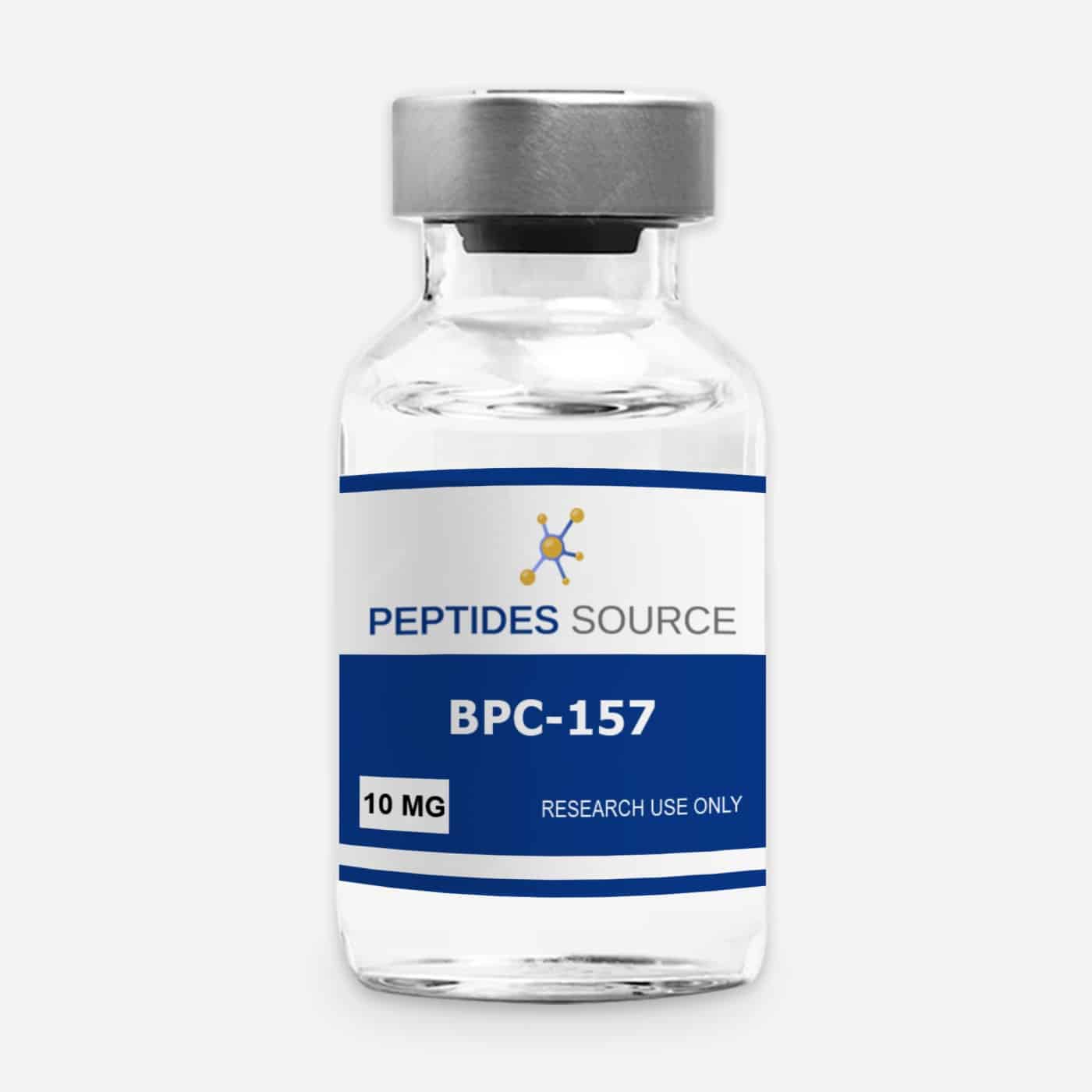
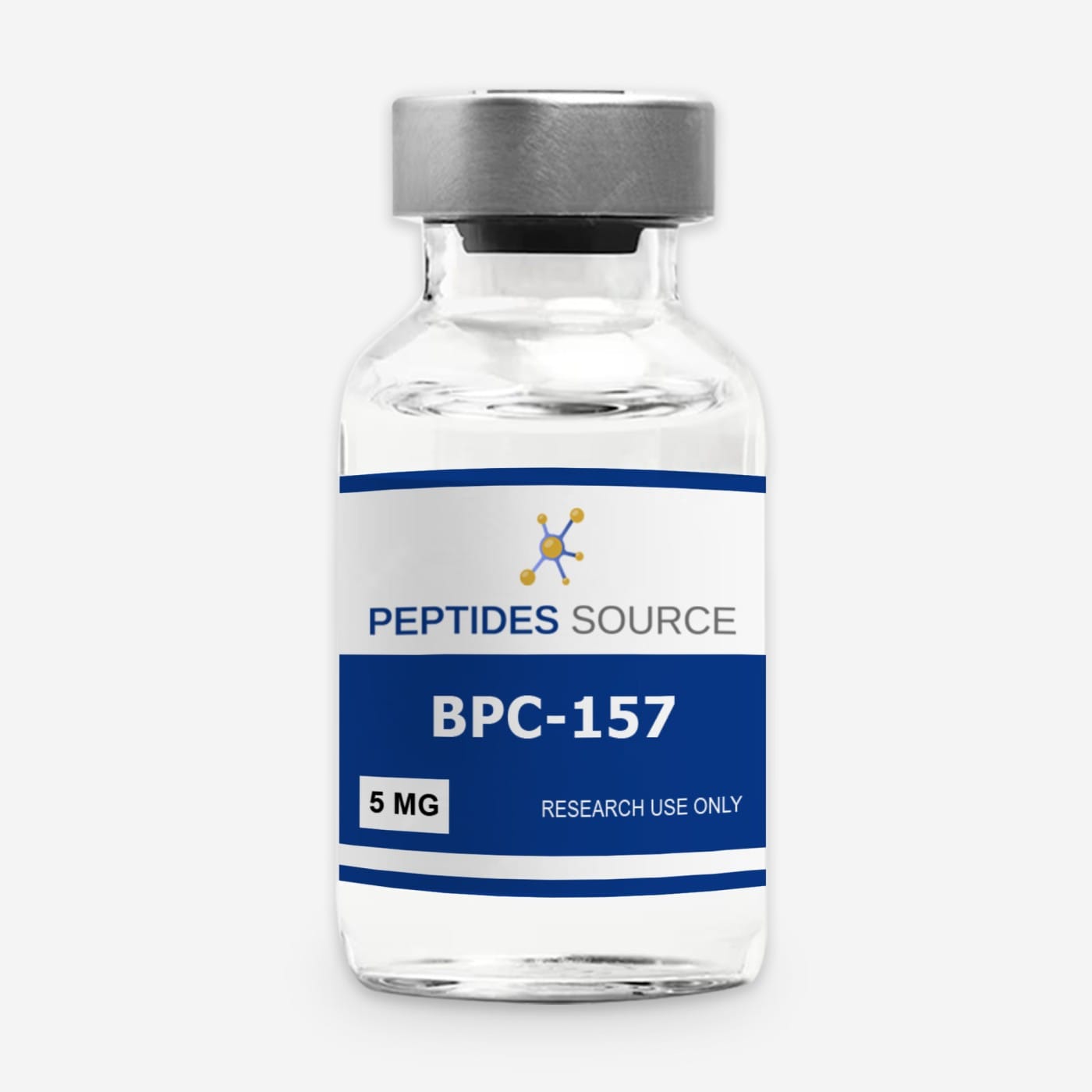
Three Decades of BPC-157 Research: Mechanisms, Models, and Lab Applications
BPC-157 (Body Protection Compound-157), also designated as stable gastric pentadecapeptide, is a synthetic 15-amino acid research compound that has accumulated a substantial preclinical literature across multiple tissue model systems since its initial characterization in the late 1990s. Investigators have used BPC-157 as a research tool to study angiogenic signaling, nitric oxide system biology, growth factor pathways, and cellular responses in musculoskeletal, gastrointestinal, and neurological model systems. It occupies a distinctive position among tissue repair research peptides in that its preclinical effects have been observed across a broader range of tissue types than most single-target research compounds.
This profile summarizes the molecular characteristics, proposed research mechanisms, key preclinical model systems, and laboratory handling considerations for BPC-157, prepared for qualified laboratory researchers operating in in vitro and controlled animal study settings.
All information on this page is provided for research and educational purposes only. BPC-157 is not approved for human use by the FDA or any regulatory authority. It is intended solely for use in qualified laboratory settings by trained researchers.
Molecular and Chemical Profile
BPC-157 is a synthetic pentadecapeptide (15 amino acids) with the sequence Gly-Glu-Pro-Pro-Pro-Gly-Lys-Pro-Ala-Asp-Asp-Ala-Gly-Leu-Val. It was derived from a partial sequence of the body protection compound (BPC) protein, originally identified in human gastric juice. Structural data is available via the PubChem Compound Database entry for BPC-157 (CID 9941957).
- Molecular formula: C₆₂H₉₈N₁₆O₂₂
- Molecular weight: ~1,419.5 Da
- CAS number: 137525-51-0
- Sequence length: 15 amino acids (pentadecapeptide)
- Solubility: Water-soluble
- Form supplied: Lyophilized powder
BPC-157’s water solubility is a practical advantage in laboratory settings, as it can be reconstituted in standard aqueous vehicles without organic co-solvents. The proline-rich central region (Pro-Pro-Pro) of its sequence is thought to contribute to its proteolytic stability relative to many endogenous peptides.
Proposed Research Mechanisms
BPC-157 does not engage a single well-characterized receptor in the manner of a GPCR agonist. Preclinical research has instead implicated several distinct molecular pathways in the responses observed across different model systems. These are not mutually exclusive and may operate in parallel depending on the tissue type and experimental context.
Nitric Oxide (NO) System Modulation
A substantial portion of BPC-157’s preclinical mechanistic literature involves interactions with the nitric oxide system. Research by Sikiric and colleagues has investigated BPC-157’s influence on nitric oxide synthase (NOS) isoform expression and NO bioavailability in multiple tissue model contexts, including vascular, gastric, and musculoskeletal systems. Proposed interactions include modulation of eNOS (endothelial NOS) and nNOS (neuronal NOS) activity in rodent models. The NO system’s central role in vascular tone regulation, tissue perfusion, and cellular signaling makes it a mechanistically significant target for research tools across multiple domains, including the broader area of cellular longevity research compounds currently under preclinical investigation.
Angiogenesis and VEGF Signaling
Multiple preclinical studies have reported that BPC-157 is associated with upregulation of vascular endothelial growth factor (VEGF) expression and promotion of new vessel formation in in vitro and in vivo model systems. Chorioallantoic membrane (CAM) assays — a standard in vitro angiogenesis model — have been used to characterize BPC-157’s pro-angiogenic properties in laboratory settings. In vivo rodent models have demonstrated increased vascularity in tissues surrounding application sites, with histological quantification of vessel density used as a primary outcome measure.
Growth Factor Receptor Signaling
In vitro studies have investigated BPC-157’s interactions with growth factor signaling pathways, including the epidermal growth factor (EGF) receptor system and platelet-derived growth factor (PDGF) signaling in fibroblast cell culture models. BPC-157 has been reported to influence proliferation, migration, and survival in tendon fibroblast and intestinal epithelial cell cultures in ways consistent with activation of growth factor-dependent signaling cascades.
Musculoskeletal and Connective Tissue Research Models
Musculoskeletal research has been one of the most extensively published domains for BPC-157 preclinical investigation. Laboratory applications in this area encompass both in vitro cell culture systems and in vivo rodent injury models.
In vitro tendon fibroblast studies have examined BPC-157’s effects on cell viability, proliferation rate, scratch-wound migration assays, and gene expression of collagen type I, collagen type III, and tenascin-C. In a series of studies by Chang and colleagues, BPC-157 was associated with dose-dependent promotion of tendon outgrowth and cell survival in tendon explant culture models, with activation of the FAK-paxillin pathway proposed as a contributing mechanism. Key findings were published in the Journal of Applied Physiology, with foundational tendon cell biology work available via PubMed.
In vivo rodent models have employed tendon transection, tendon-to-bone repair, and ligament injury paradigms, with histological assessment of collagen organization, biomechanical tensile testing, and immunohistochemical analysis of repair tissue composition as primary outcome measures. Bone fracture repair models and models of joint injury have also been used to examine BPC-157 in the context of skeletal tissue biology.
Gastrointestinal Research Models
The gastrointestinal system has been a primary focus of BPC-157 preclinical research, reflecting the compound’s derivation from a gastric protein source and the presence of its proposed molecular targets throughout the GI tract.
Gastric mucosal protection models represent one of the earliest and most replicated areas of BPC-157 research. Standard preclinical GI research paradigms have included NSAID-induced mucosal damage models (indomethacin, aspirin), ethanol-induced mucosal injury models, acetic acid ulcer models, and cysteamine-induced duodenal ulcer models in rats. Outcomes measured in these systems have included macroscopic lesion scoring, histological assessment of mucosal integrity, measurement of mucosal blood flow via laser Doppler flowmetry, and biochemical markers of oxidative stress.
Professor Sikiric’s group at the University of Zagreb has published the largest body of GI-focused BPC-157 preclinical data. A representative review is available via Sikiric et al. in Current Pharmaceutical Design (2014). Research on the brain-gut axis implications of BPC-157 was further explored by Sikiric et al. in Current Neuropharmacology (2016).
Neurological and Central Nervous System Research Models
A third major preclinical research domain for BPC-157 involves the central nervous system, with studies examining its effects in neurological and behavioral rodent models. This area of investigation intersects with the broader field of neuropeptide research compounds under preclinical CNS investigation.
Research in this domain has included rodent models assessing dopaminergic system function, models of dopamine receptor hypersensitivity, and neuroprotective research in the context of excitotoxic injury and traumatic brain injury paradigms. The relationship between BPC-157 and the nitric oxide system in brain tissue was investigated by Vukovic et al. (2009) in the European Journal of Pharmacology.
As with all preclinical BPC-157 research, CNS findings are confined to in vitro and animal model systems and should not be interpreted as predictive of human neurological outcomes.
Research Purity Standards and Quality Verification
Reproducibility in BPC-157 research depends fundamentally on compound quality. Research-grade BPC-157 should conform to the following minimum quality specifications:
- HPLC purity: ≥98% by reverse-phase HPLC, with the chromatogram and integration data included in the certificate of analysis
- Identity confirmation: Mass spectrometry (ESI-MS or MALDI-TOF) confirming observed molecular weight matches the theoretical MW of 1,419.5 Da
- Third-party COA: Independent laboratory testing, not solely in-house quality control
Peptides Source supplies BPC-157 at ≥98% HPLC purity with third-party COA documentation for each lot. Guidance on evaluating peptide supplier quality standards is outlined in the researcher’s guide to selecting a reliable research peptide source.
Laboratory Preparation and Handling
Reconstitution
BPC-157’s water solubility simplifies reconstitution relative to hydrophobic peptides. Standard reconstitution uses a suitable research diluent (0.9% benzyl alcohol in laboratory-grade water) for multi-use preparations. For single-use laboratory assays, sterile phosphate-buffered saline (PBS, pH 7.4) or laboratory-grade water are appropriate vehicles.
Researchers should consult the standard research peptide reconstitution protocol for step-by-step guidance on lyophilized peptide preparation, including calculation of stock concentrations and working dilution preparation from concentrated stocks.
Storage Recommendations
- Lyophilized (unreconstituted): Store at −20°C in a sealed, desiccated container protected from light. Stable for 24+ months from the manufacture date.
- Reconstituted with a suitable research diluent: Refrigerate at 2–8°C; use within 28–30 days.
- Long-term reconstituted storage: Aliquot into single-use volumes and store at −80°C; avoid repeated freeze-thaw cycles.
- Working solutions: Prepare immediately before use from refrigerated or thawed stock.
Solubility Notes
BPC-157 is soluble in aqueous systems at typical research concentrations without the need for DMSO, ethanol, or acetic acid as co-solvents — a practical advantage for cell-based assays where co-solvent cytotoxicity can confound results.
Frequently Asked Questions: BPC-157 Research
What is BPC-157 and what is it used for in research?
BPC-157 (Body Protection Compound-157) is a synthetic pentadecapeptide used exclusively in preclinical and laboratory research. Investigators have employed it to study angiogenic signaling, nitric oxide system modulation, growth factor pathways, and cellular responses in musculoskeletal, gastrointestinal, and neurological model systems. It is not approved for human use and is classified as a research-only compound.
What receptor or molecular pathway does BPC-157 act on in preclinical models?
BPC-157 does not engage a single well-characterized receptor. Preclinical research has implicated the nitric oxide system, VEGF-mediated angiogenic signaling, EGF receptor pathways, and PDGF signaling cascades in its observed preclinical effects. This multi-pathway profile has made it the subject of broad mechanistic inquiry across tissue types and research disciplines.
What research models have been used to study BPC-157?
BPC-157 has been studied in in vitro tendon fibroblast cultures, rodent musculoskeletal injury models, GI mucosal damage and anastomosis models, neurological behavior assays, and angiogenesis assay systems including the CAM model. All published research has been conducted in laboratory and animal model settings, not in human clinical trials.
Is BPC-157 water soluble and how is it reconstituted for research use?
Yes — BPC-157 is water-soluble, which simplifies reconstitution compared with hydrophobic peptides. It is typically reconstituted in a suitable research diluent for multi-use research preparations, or in sterile PBS or water for single-use assays. No organic co-solvents are required, reducing potential confounding in cell-based experiments.
Who are the primary researchers associated with BPC-157 preclinical literature?
The preclinical BPC-157 literature is dominated by Professor Predrag Sikiric’s group at the University of Zagreb School of Medicine, which has published extensively on BPC-157 across multiple model systems since the late 1990s. Independent research groups have also investigated specific aspects of its pharmacology, particularly angiogenic and musculoskeletal effects.
What purity specifications should research-grade BPC-157 meet?
Research-grade BPC-157 should meet ≥98% purity by reverse-phase HPLC with identity confirmed by mass spectrometry. Third-party certificates of analysis from independent testing laboratories are the standard for quality verification. Peptides Source supplies BPC-157 with third-party COA documentation for each product lot.
How does BPC-157 differ from TB-500 in research contexts?
BPC-157 and TB-500 are distinct compounds with different molecular origins and proposed mechanisms. BPC-157 is a 15-amino acid synthetic peptide derived from a gastric protein sequence. TB-500 is a synthetic analogue of Thymosin Beta-4, a 43-amino acid actin-sequestering protein. While both have been studied in preclinical tissue and angiogenesis models, they operate through different molecular pathways and are not interchangeable research tools.
What storage conditions are recommended for research-grade BPC-157?
Lyophilized BPC-157 should be stored at −20°C in a desiccated, light-protected environment (stable for 24+ months). Reconstituted solutions in a suitable research diluent should be refrigerated at 2–8°C and used within 28–30 days. For longer storage, aliquot and freeze at −80°C, avoiding repeated freeze-thaw cycles.
Summary and Research Context
BPC-157 is a well-studied synthetic pentadecapeptide with a preclinical literature spanning three decades and multiple research disciplines. Its proposed mechanisms — NO system modulation, angiogenic VEGF signaling, and growth factor receptor interactions — have generated sustained investigational interest in musculoskeletal, gastrointestinal, and neurological model systems. Peptides Source supplies research-grade BPC-157 with third-party COA documentation, manufactured under cGMP/ISO-compliant conditions for qualified laboratory use.
References
- Sikiric P, et al. Stable gastric pentadecapeptide BPC 157: novel therapy in gastrointestinal tract. Curr Pharm Des. 2011;17(16):1612–1632. PMID 21548867
- Sikiric P, et al. Focus on ulcerative colitis: stable gastric pentadecapeptide BPC 157. Curr Med Chem. 2012;19(1):126–132. PMID 22087833
- Sikiric P, et al. Toxicity by NSAIDs: counteraction by stable gastric pentadecapeptide BPC 157. Curr Pharm Des. 2013;19(1):76–83. PMID 22950504
- Sikiric P, et al. Stable gastric pentadecapeptide BPC 157 and striated, smooth, and heart muscle. J Physiol Pharmacol. 2015;66(3):359–367. PMID 26084228
- Chang CH, et al. The promoting effect of pentadecapeptide BPC 157 on tendon healing. J Appl Physiol. 2011;110(3):774–780. PMID 21164156
- Vukovic S, et al. The relationship between NO system and pentadecapeptide BPC 157 in the brain. Eur J Pharmacol. 2009;616(1-3):110–119. PMID 19607821
- Hsieh MJ, et al. Therapeutic potential of pro-angiogenic BPC157 is associated with VEGFR2 activation. J Mol Med (Berl). 2017;95(3):323–333. PMID 27798717
- Sikiric P, et al. Brain-gut axis and pentadecapeptide BPC 157. Curr Neuropharmacol. 2016;14(8):857–865. PMID 26537564
Research Use Only. BPC-157 is supplied by Peptides Source strictly for in vitro research and laboratory use by qualified investigators. It is not intended for human or veterinary use, self-administration, or therapeutic application. This content is educational and does not constitute medical advice.
Related research-use products: BPC-157 5mg and BPC-157 capsules. Explore more tissue repair research peptides. For laboratory research use only.