


FOR RESEARCH USE ONLY The content in this article is for educational and informational purposes only, based on published scientific literature and industry standards. The compounds discussed are not FDA-approved for human or veterinary use and are strictly intended for in-vitro laboratory research by qualified professionals. Peptides Source does not endorse or support the use of these compounds outside of a controlled research environment. Nothing in this article constitutes medical advice.
The study of peptides that interact with central nervous system (CNS) pathways has expanded considerably over the past two decades, driven by advances in neurochemistry and receptor pharmacology. Among the research peptides attracting attention in this domain are several small synthetic compounds – including Selank, Semax, and DSIP – that have been investigated in preclinical models for their interactions with neurotransmitter systems, neurotrophic factor expression, and neuromodulatory signaling cascades.
Despite the growing volume of published literature on these compounds, the field of nootropic peptide research remains in its early stages. Much of the available evidence is derived from rodent models, cell culture experiments, and a limited number of clinical investigations conducted primarily in Russia, where some of these peptides have been approved for clinical use under different regulatory frameworks than those governing research in the United States. The translational relevance of many findings has not been established in Western regulatory contexts.
This article provides a research-focused overview of several CNS-targeted peptides currently under investigation, examining their molecular profiles, documented receptor interactions, and the preclinical models in which they have been studied. All content is presented within a research-use-only framework, and no therapeutic claims are made or implied.
Key Takeaways
- Nootropic peptide research encompasses a broad category of synthetic compounds investigated for their interactions with CNS neurotransmitter systems and neurotrophic signaling pathways.
- Selank, a tuftsin-derived heptapeptide, has been studied in preclinical models for its documented interactions with GABAergic neurotransmission and enkephalin metabolism.
- Semax, an ACTH(4-10) analog, has been investigated for its observed effects on brain-derived neurotrophic factor (BDNF) expression in rodent models.
- DSIP (delta sleep-inducing peptide) has been examined in neuromodulatory research since the 1970s, though its precise mechanism of action remains incompletely characterized.
- The majority of interventional data on these compounds comes from preclinical models, and controlled human clinical trials conducted under Western regulatory standards are limited.
What Is Nootropic Research? Defining the Research Category
The term “nootropic” was coined by Romanian psychologist Corneliu Giurgea in 1972 to describe compounds that interact with cognitive processes in experimental models (Giurgea, 1972). In contemporary research, nootropic peptide research encompasses a heterogeneous group of synthetic and endogenous peptides that have been investigated for their interactions with CNS signaling pathways – including neurotransmitter receptor binding, neurotrophic factor modulation, and synaptic plasticity mechanisms.
Unlike small-molecule nootropics such as racetams, peptide-based compounds present distinct pharmacological characteristics. Their larger molecular size affects blood-brain barrier (BBB) permeability, metabolic stability, and receptor binding kinetics. Several CNS-targeted peptides – particularly Selank and Semax – were developed at the Institute of Molecular Genetics of the Russian Academy of Sciences and have been studied within the Russian pharmacological research tradition for decades, though their investigation in Western laboratory settings has intensified more recently.
It is important to note that the classification of a peptide as “nootropic” is a research designation based on observed interactions with cognitive-related pathways in experimental models. This classification does not imply any established cognitive effect in humans and should not be interpreted as such.
Selank: A Tuftsin-Derived Heptapeptide in Neuroregulatory Research
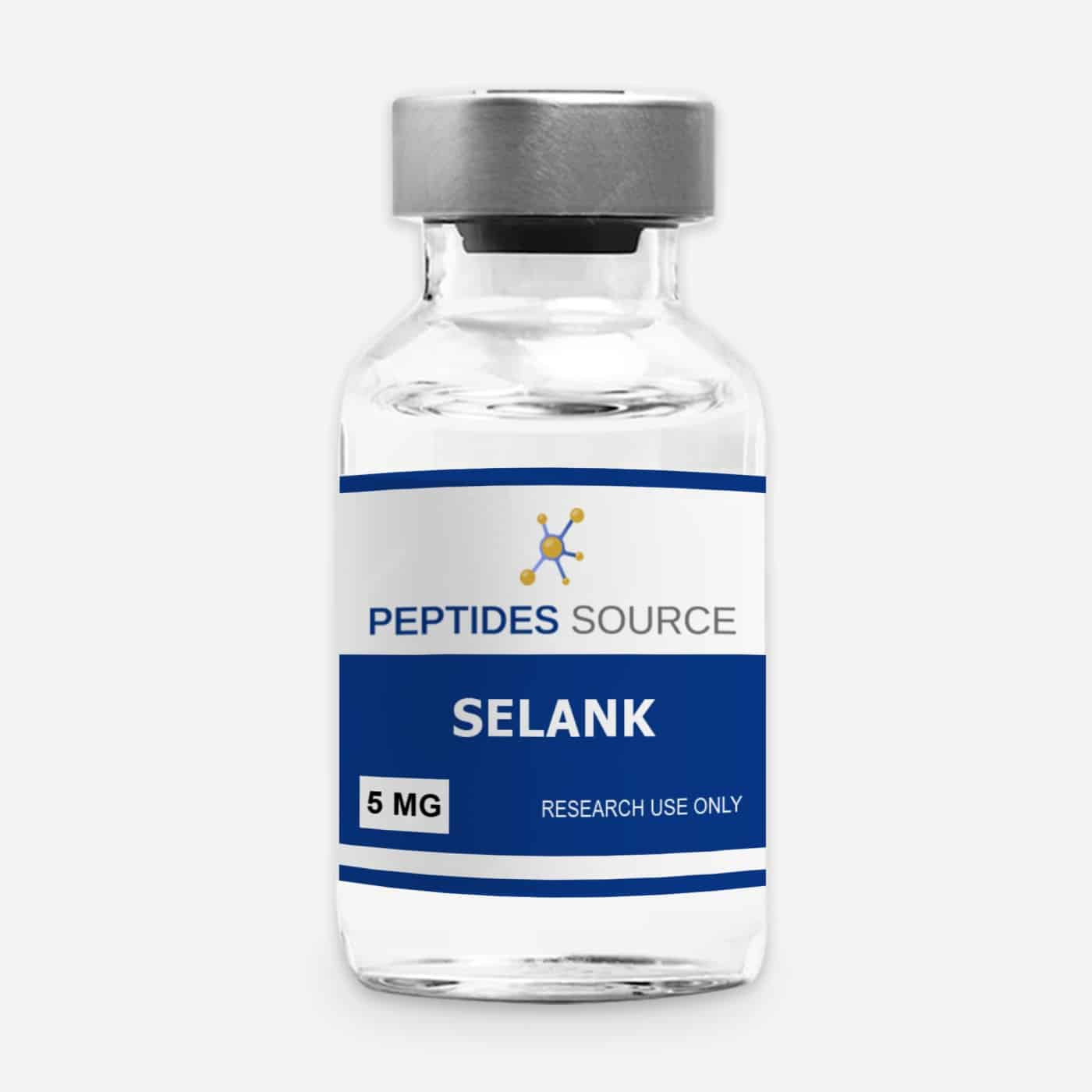
Selank (Thr-Lys-Pro-Arg-Pro-Gly-Pro) is a synthetic heptapeptide consisting of the endogenous immunomodulatory peptide tuftsin (Thr-Lys-Pro-Arg) with an added Pro-Gly-Pro sequence designed to increase metabolic stability. Developed at the Institute of Molecular Genetics, Selank has been the subject of extensive preclinical investigation in Russian research institutions (Semenova et al., 2010).
The most consistently documented observations in Selank research involve its interactions with GABAergic neurotransmission. Kasian et al. (2017) reported that Selank modulated GABA-A receptor subunit expression in rodent hippocampal tissue, though the precise binding mechanism and downstream signaling consequences remain under investigation (Kasian et al., 2017). Additional preclinical work has examined Selank’s influence on enkephalin degradation enzymes, with some studies reporting altered enkephalinase activity in brain tissue homogenates following peptide administration.
Selank has been approved in Russia as a pharmaceutical product (marketed as Selanx) for specific indications under Russian regulatory standards. However, this approval occurred within a different regulatory framework than those governing research compounds in the United States, and it does not constitute evidence of efficacy or safety under FDA standards. All Selank available through US research suppliers is designated for research use only.
Semax: An ACTH(4-10) Analog in Neurotrophic Factor Studies
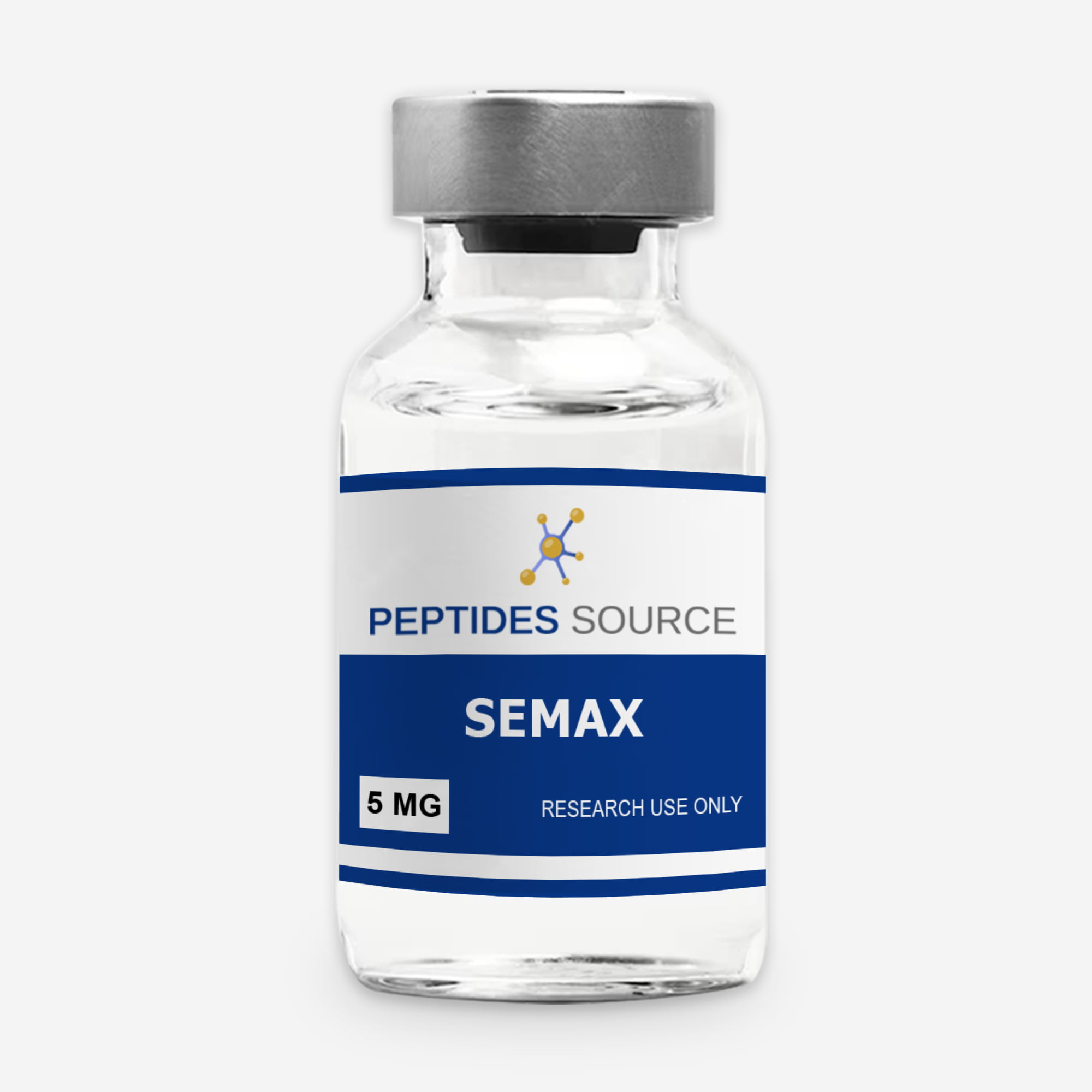
Semax (Met-Glu-His-Phe-Pro-Gly-Pro) is a synthetic heptapeptide analog of the adrenocorticotropic hormone fragment ACTH(4-10), also developed at the Institute of Molecular Genetics. The compound was designed to retain the neurotropic activity attributed to the ACTH(4-10) fragment while eliminating hormonal (steroidogenic) effects through structural modification (Ashmarin et al., 1995).
The most extensively documented area of Semax research involves its relationship with neurotrophic factor expression. Multiple rodent studies have reported that Semax administration was associated with altered expression levels of brain-derived neurotrophic factor (BDNF) and nerve growth factor (NGF) in specific brain regions, including the hippocampus and basal forebrain (Dolotov et al., 2006). Researchers have proposed that this neurotrophic factor modulation may involve melanocortin receptor signaling pathways, though the complete mechanistic chain has not been fully elucidated.
Like Selank, Semax has been approved for clinical use in Russia under Russian regulatory standards, but this does not translate to regulatory status in the United States or other Western jurisdictions. The compound is available through US research suppliers as a research peptide for laboratory investigation only.
DSIP: Delta Sleep-Inducing Peptide and Neuromodulatory Research
DSIP (Trp-Ala-Gly-Gly-Asp-Ala-Ser-Gly-Glu) is a nine-amino acid neuropeptide first isolated from rabbit cerebral venous blood in 1977 by Schoenenberger and Monnier (Schoenenberger and Monnier, 1977). The peptide was initially characterized based on its association with delta wave electroencephalographic activity in recipient animals, which led to its nomenclature.
Subsequent research has revealed that DSIP interacts with a broader range of neuromodulatory systems than its name suggests. Preclinical studies have documented associations between DSIP and corticotropin release, stress hormone regulation, and opioid system signaling in rodent models. However, the peptide’s precise receptor target remains unidentified – a significant gap in the literature that has persisted for nearly five decades. Unlike Selank and Semax, which have defined receptor interaction profiles, DSIP’s mechanism of action is characterized by multiple observed associations without a unified molecular model.
The pharmacokinetics of DSIP also present research challenges. The peptide has a documented short half-life in circulation due to rapid enzymatic degradation, which has led some research groups to investigate modified analogs with improved metabolic stability. These pharmacokinetic limitations must be considered when designing experimental protocols involving DSIP.
Shared Mechanistic Themes Across CNS-Targeted Peptides
Despite their structural diversity, several CNS-targeted research peptides share overlapping mechanistic themes that have emerged from the preclinical literature. One recurring observation involves neurotrophic factor modulation – both Semax and Selank have been associated with altered BDNF expression in rodent models, though through apparently distinct upstream pathways (Dolotov et al., 2006; Semenova et al., 2010).
A second shared theme involves interactions with endogenous stress-response systems. Selank’s documented effects on enkephalin metabolism, Semax’s relationship with the ACTH/melanocortin axis, and DSIP’s associations with corticotropin signaling all involve components of the hypothalamic-pituitary-adrenal (HPA) axis or related neuroendocrine pathways. These overlapping observations have led some researchers to propose that CNS-targeted peptides may exert their documented effects through modulation of stress-responsive signaling cascades rather than through isolated neurotransmitter interactions.
These shared themes are observational patterns identified across separate studies using different methodologies, species, and experimental designs. They do not establish a unified mechanism of action for CNS-targeted peptides as a class, and researchers working with compounds such as Epithalon and MOTS-c in adjacent research areas should evaluate each peptide’s mechanistic profile independently.
Research Limitations and Methodological Considerations
Several important limitations apply to the current body of nootropic peptide research. First, a substantial portion of the published literature originates from Russian research institutions, with many foundational studies published in Russian-language journals that have limited English-language availability. This creates challenges for independent replication and peer review within the broader international research community.
Second, the blood-brain barrier permeability of these peptides remains incompletely characterized. While behavioral and neurochemical changes have been observed following peripheral administration in rodent models, the extent to which intact peptide molecules cross the BBB – versus exerting effects through peripheral signaling mechanisms – is an active area of investigation for most compounds in the CNS-targeted peptide research category.
Third, standardized pharmacokinetic and pharmacodynamic profiles are lacking for most CNS-targeted research peptides. Parameters such as half-life, tissue distribution, metabolite identification, and dose-response relationships have not been comprehensively established in any species for many of these compounds. Researchers designing experimental protocols should account for these knowledge gaps when interpreting results.
Finally, all commercially available CNS-targeted peptides sold through US suppliers are designated for research use only. Compound purity should be verified through independent Certificates of Analysis (COAs) and HPLC documentation. USA-made peptides manufactured under GMP-compliant conditions provide the quality standards that reproducible research protocols require.
The Current State of Nootropic Peptide Research
Nootropic peptide research represents a dynamic and evolving field within neuroscience, with compounds like Selank, Semax, and DSIP offering distinct molecular tools for investigating CNS signaling pathways. The documented interactions of these peptides with neurotrophic factor expression, GABAergic transmission, and neuroendocrine signaling have contributed to a growing body of preclinical literature. However, the field remains constrained by limited controlled human clinical data, incomplete pharmacokinetic characterization, and the need for broader independent replication of foundational findings.
For researchers investigating CNS-targeted peptides, rigorous experimental design and verified compound quality remain essential. Laboratories sourcing CNS-targeted research peptides should prioritize suppliers that provide comprehensive purity documentation, batch-specific COAs, and transparent manufacturing standards. Detailed compound specifications are available through established research peptide suppliers.
FOR RESEARCH USE ONLY The content in this article is for educational and informational purposes only, based on published scientific literature and industry standards. The compounds discussed are not FDA-approved for human or veterinary use and are strictly intended for in-vitro laboratory research by qualified professionals. Peptides Source does not endorse or support the use of these compounds outside of a controlled research environment. Nothing in this article constitutes medical advice.
Frequently Asked Questions
1. What does nootropic research cover in a peptide context?
In the context of nootropic peptide research, these compounds are synthetic or endogenous peptides investigated in preclinical models for their documented interactions with CNS signaling pathways, including neurotransmitter receptor binding, neurotrophic factor expression, and synaptic plasticity mechanisms. The classification is based on observed interactions in experimental models and does not imply any established cognitive effect in humans.
2. What distinguishes Selank and Semax from each other in research?
Selank is a tuftsin-derived heptapeptide primarily studied for its interactions with GABAergic neurotransmission and enkephalin metabolism. Semax is an ACTH(4-10) analog investigated for its documented effects on neurotrophic factor expression, particularly BDNF and NGF, through melanocortin receptor-related pathways. Despite both being developed at the same Russian research institute, they interact with distinct molecular targets.
3. Why has DSIP’s mechanism of action remained unresolved for so long?
Unlike Selank and Semax, which have identified receptor interaction profiles, DSIP’s specific receptor target has not been conclusively identified despite nearly five decades of research. The peptide has been associated with multiple neuromodulatory systems – including corticotropin release and opioid signaling – but no unified molecular model has been established. Its short half-life and rapid enzymatic degradation also complicate mechanistic studies.
4. Are any of these peptides approved for clinical use?
Selank and Semax have been approved for clinical use in Russia under Russian regulatory standards. However, these approvals occurred within a different regulatory framework than that of the United States or European Union, and they do not constitute evidence of efficacy or safety under FDA or EMA standards. All CNS-targeted peptides available through US research suppliers are designated for research use only.
5. What quality standards should researchers prioritize when sourcing these compounds?
Researchers should verify compound purity through independent Certificates of Analysis (COAs) and HPLC documentation, ideally confirming ≥98% purity. Given the pharmacokinetic complexities of CNS-targeted peptides, batch-to-batch consistency is particularly important. Sourcing from USA-made, GMP-compliant manufacturers helps ensure the reliability required for reproducible experimental results.
References
- Giurgea, C. (1972). Pharmacology of integrative activity of the brain. Attempt at nootropic concept in psychopharmacology. Actualites Pharmacologiques, 25, 115–156. https://pubmed.ncbi.nlm.nih.gov/4541214/
- Semenova, T.P., Kozlovskii, I.I., Zakharova, N.M., and Kozlovskaya, M.M. (2010). Experimental optimization of learning and memory processes by Selank. Bulletin of Experimental Biology and Medicine, 149(1), 70–72. https://pubmed.ncbi.nlm.nih.gov/20437114/
- Kasian, A., Kholina, E., Gusev, D., et al. (2017). Modulation of GABA-A receptor subunit expression by Selank. Doklady Biochemistry and Biophysics, 474(1), 181–184. https://pubmed.ncbi.nlm.nih.gov/28236102/
- Ashmarin, I.P., Nezavibatko, V.N., Levitskaya, N.G., et al. (1995). Design and investigation of an ACTH(4-10) analogue lacking D-amino acids and possessing nootropic properties. Neuroscience Research Communications, 16(2), 105–112. https://pubmed.ncbi.nlm.nih.gov/7770105/
- Dolotov, O.V., Karpenko, E.A., Inozemtseva, L.S., et al. (2006). Semax, an analogue of ACTH(4-10) with cognitive effects, regulates BDNF and trkB expression in the rat hippocampus. Brain Research, 1117(1), 54–60. https://pubmed.ncbi.nlm.nih.gov/16996040/
- Schoenenberger, G.A. and Monnier, M. (1977). Characterization of a delta-electroencephalogram(-sleep)-inducing peptide. Proceedings of the National Academy of Sciences, 74(3), 1282–1286. https://pubmed.ncbi.nlm.nih.gov/559705/=