











All compounds discussed are intended strictly for in vitro research and laboratory use. Not for human or animal consumption.
Cerebrolysin is a neuropeptide preparation that has one of the longest research histories of any compound in the neurotrophic field. It is a defined mixture rather than a single molecule, which makes its composition, proposed mechanisms and documentation the important things to understand before using it in laboratory work. This profile summarizes what Cerebrolysin is, the neurotrophic mechanisms proposed for it, the preclinical and clinical research literature it appears in, and the handling and sourcing standards that matter. It is written for qualified researchers working in in vitro and controlled animal-model settings.
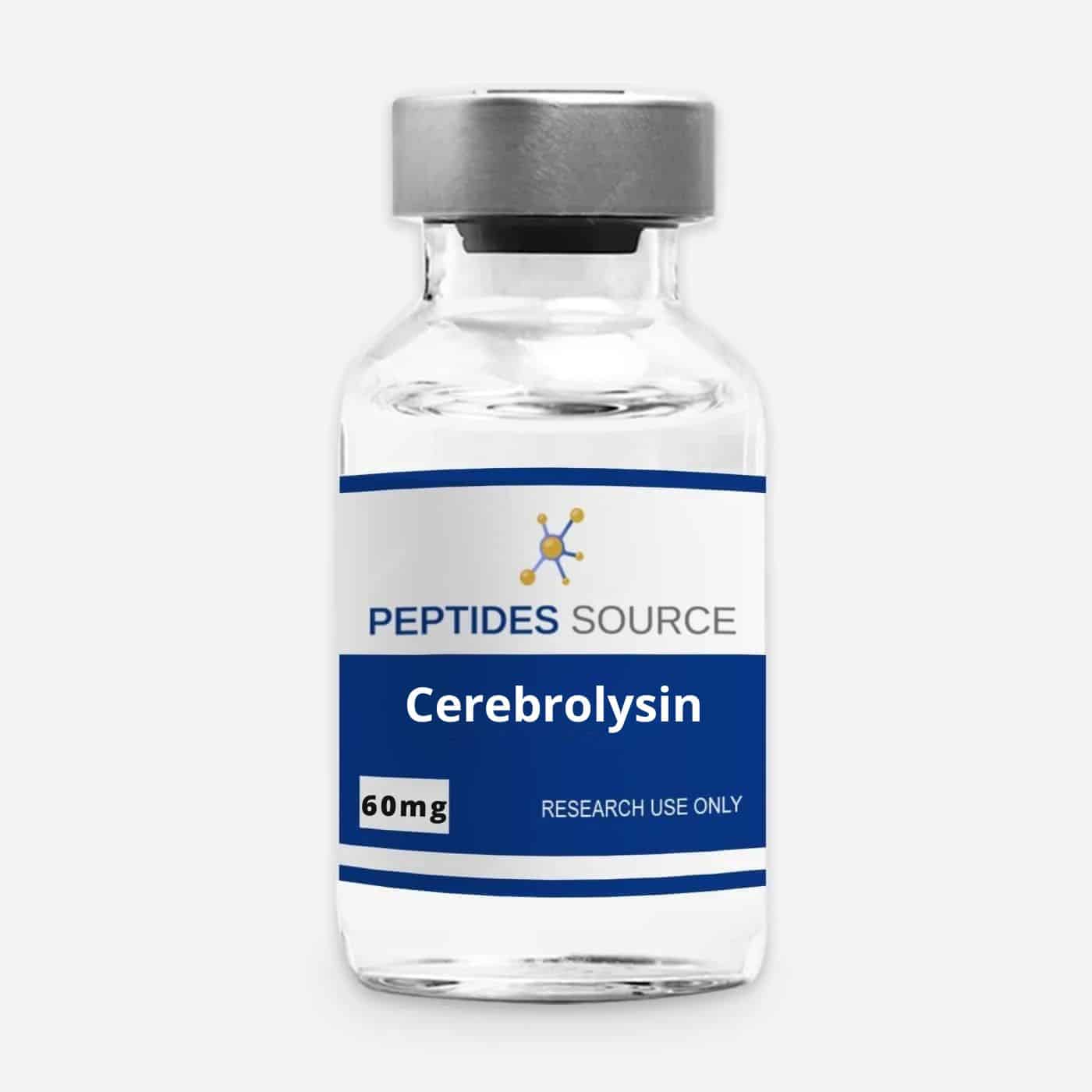
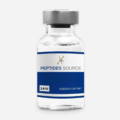
The Cerebrolysin 60mg research vial is supplied by Peptides Source strictly for that purpose. Note that Cerebrolysin is not registered by the US Food and Drug Administration for use in the United States; it is handled here purely as a research compound.
Composition and research profile
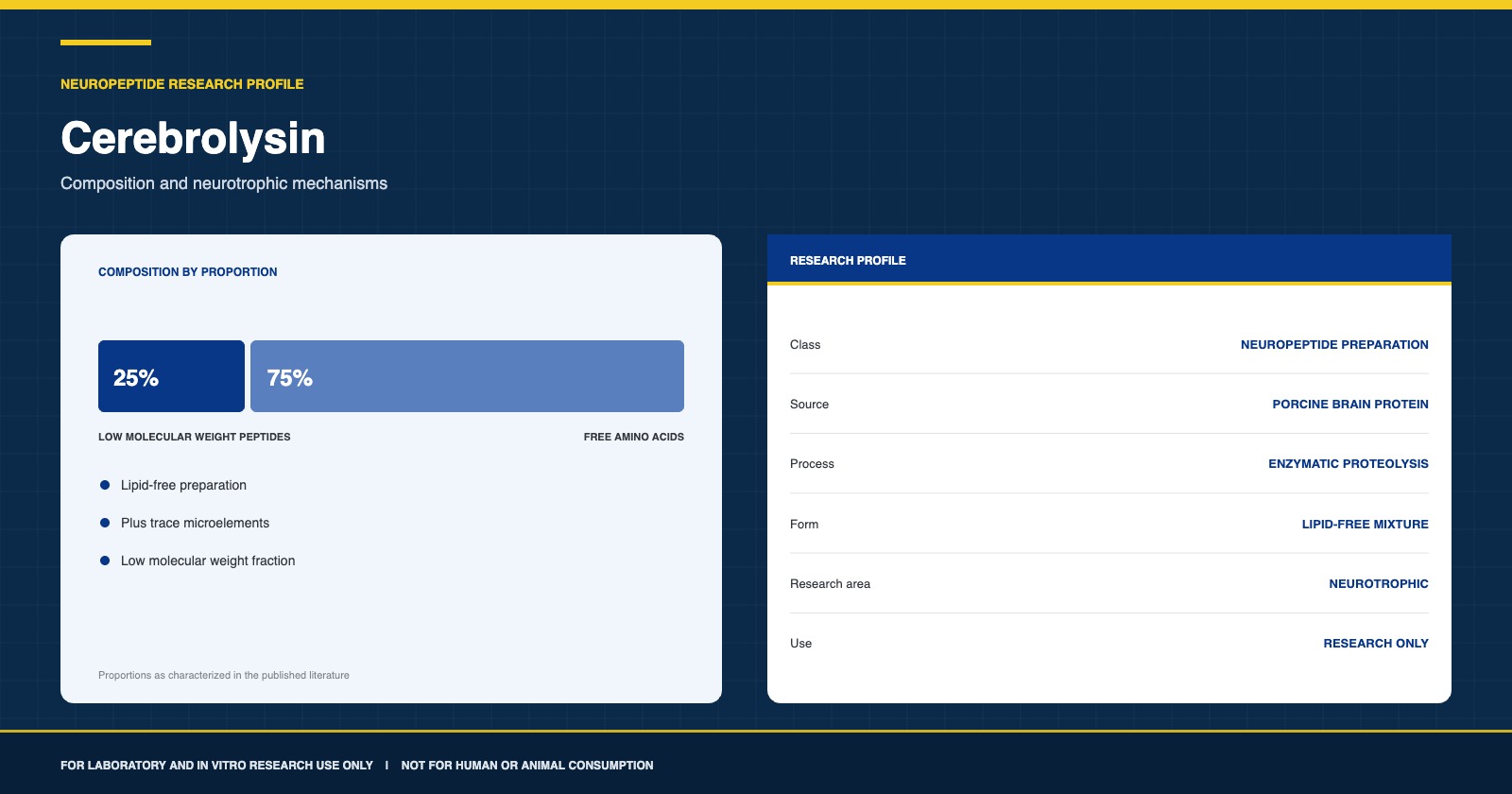
Cerebrolysin is a multimodal neuropeptide preparation produced by the standardized enzymatic breakdown of purified porcine (pig) brain proteins. Published characterizations describe it as a lipid-free mixture of low molecular weight peptides (roughly 25 percent) and free amino acids (roughly 75 percent), together with trace microelements (Florek et al., 2025). Its defining physical property is low molecular weight, which is the basis for reports that its peptide fraction can cross the blood-brain barrier.
Key research characteristics:
- Class: multimodal neuropeptide and amino acid preparation
- Source: enzymatic proteolysis of purified porcine brain protein
- Composition: low molecular weight peptides plus free amino acids, lipid-free
- Research area: neurotrophic, neuroprotective and neurorecovery signaling
- Form supplied: solution or lyophilized preparation for laboratory use
Proposed research mechanisms
Cerebrolysin is described in the literature as multimodal because more than one mechanism has been proposed for it. The mechanisms below are drawn from preclinical and clinical research and describe a research context only.
Neurotrophic factor mimicry
A central theme in the literature is that Cerebrolysin behaves in a manner similar to endogenous neurotrophic factors. Research has reported effects consistent with stimulation of brain-derived neurotrophic factor (BDNF) signaling and activity resembling neurotrophin-3 (NTF3), both of which are involved in neuroplasticity, neurogenesis and neuronal survival (Florek et al., 2025).
Signaling-pathway modulation
Preclinical work has implicated the Sonic hedgehog (Shh) signaling pathway in Cerebrolysin-associated changes in neurological function in stroke models, alongside broader effects on the molecular machinery of neuronal repair.
Neuroprotection and neurorecovery
Across model systems, Cerebrolysin has been studied as a tool for examining endogenous repair mechanisms and protection of neural tissue against damaging factors, which is the framework within which most of its research literature is organized.
The research literature
Cerebrolysin has an unusually large and geographically concentrated body of research, with the majority of publications originating in Europe and Asia. The literature spans preclinical animal-model work and clinical study, and the principal research areas are:
- Ischemic stroke and neurorecovery: the most extensively studied area, including work combining Cerebrolysin with rehabilitation in animal and clinical research.
- Traumatic brain injury: cognitive and functional endpoints in preclinical and retrospective research.
- Vascular and Alzheimer’s-type dementia: cognitive-performance endpoints, with reviewers noting mixed strength of evidence.
- Neuropsychiatric research: a smaller and more preliminary literature examining cognitive endpoints and neuroleptic-associated effects.
It is worth emphasizing for research interpretation that reviewers of this literature repeatedly note heterogeneity and, in places, limited methodological strength, which is exactly why Cerebrolysin remains an active research subject. Findings are reported here as literature context, not as endorsements of any use.
Sourcing, quality and documentation
Because Cerebrolysin is a defined mixture rather than a single peptide, the relevant quality questions are about composition consistency and documentation rather than a single-compound purity percentage. When sourcing it for research, confirm that material ships with a batch-specific certificate of analysis, that testing is independent and third-party, and that the supply chain is documented and US-based for traceability. Peptides Source supplies Cerebrolysin with third-party batch documentation as standard. For the full set of criteria to apply to any supplier, see our guide to choosing a reliable peptide source.
Laboratory preparation and handling
Handle Cerebrolysin only in a controlled laboratory setting. Where a lyophilized preparation is supplied, reconstitute in the laboratory before study using a suitable diluent; our research peptide reconstitution protocol covers correct technique. Store sealed material cold and protected from light, keep reconstituted or opened material refrigerated, and avoid repeated freeze-thaw cycles. Cerebrolysin sits within the broader neuropeptide research category; for wider background on central-nervous-system research compounds, see our nootropic and CNS-targeted peptide research overview.
Frequently Asked Questions
What is Cerebrolysin?
Cerebrolysin is a multimodal neuropeptide preparation made by the enzymatic breakdown of purified porcine (pig) brain protein. It is a lipid-free mixture of low molecular weight peptides and free amino acids, studied for its neurotrophic and neuroprotective properties. It is supplied strictly for laboratory and in vitro research use and is not approved for human or veterinary use.
What is Cerebrolysin studied for in research?
The published literature examines Cerebrolysin mainly in the context of ischemic stroke and neurorecovery, traumatic brain injury, vascular and Alzheimer’s-type dementia, and a smaller neuropsychiatric literature. These are descriptions of the research literature and its endpoints, reported as context only, and are not medical claims or evidence of any human benefit.
How is Cerebrolysin thought to work?
Proposed mechanisms in the research literature include neurotrophic-factor-like activity, with reported effects consistent with BDNF stimulation and neurotrophin-3-like action, along with modulation of neuronal repair signaling such as the Sonic hedgehog pathway. Its low molecular weight is the basis for reports that the peptide fraction can cross the blood-brain barrier. These describe research mechanisms only.
Is Cerebrolysin FDA approved?
No. Cerebrolysin is not registered by the US Food and Drug Administration for use in the United States. It is available in a number of other countries but, in the context of this listing, it is handled strictly as a research compound for laboratory and in vitro use, not for human or veterinary use.
How should research-grade Cerebrolysin be sourced and stored?
Because it is a mixture rather than a single compound, confirm batch-specific documentation, independent third-party testing and a documented US-based supply chain rather than relying on a single purity figure. Store sealed material cold and protected from light, keep reconstituted or opened material refrigerated, and avoid repeated freeze-thaw cycles.
References
- Florek S, et al. Is Cerebrolysin Useful in Psychiatry Disorders? Biomedicines. 2025;13(7):1661. PMID 40722733. https://pmc.ncbi.nlm.nih.gov/articles/PMC12292664/
- Al-Kuraishy HM, et al. The possible role of cerebrolysin in the management of vascular dementia: Leveraging concepts. Neuroscience. 2025;568:202-208. https://doi.org/10.1016/j.neuroscience.2025.01.040
All products are sold strictly for research use only (RUO). Not intended for human or animal consumption. For laboratory and in vitro use only. Must be 21+ to purchase.