
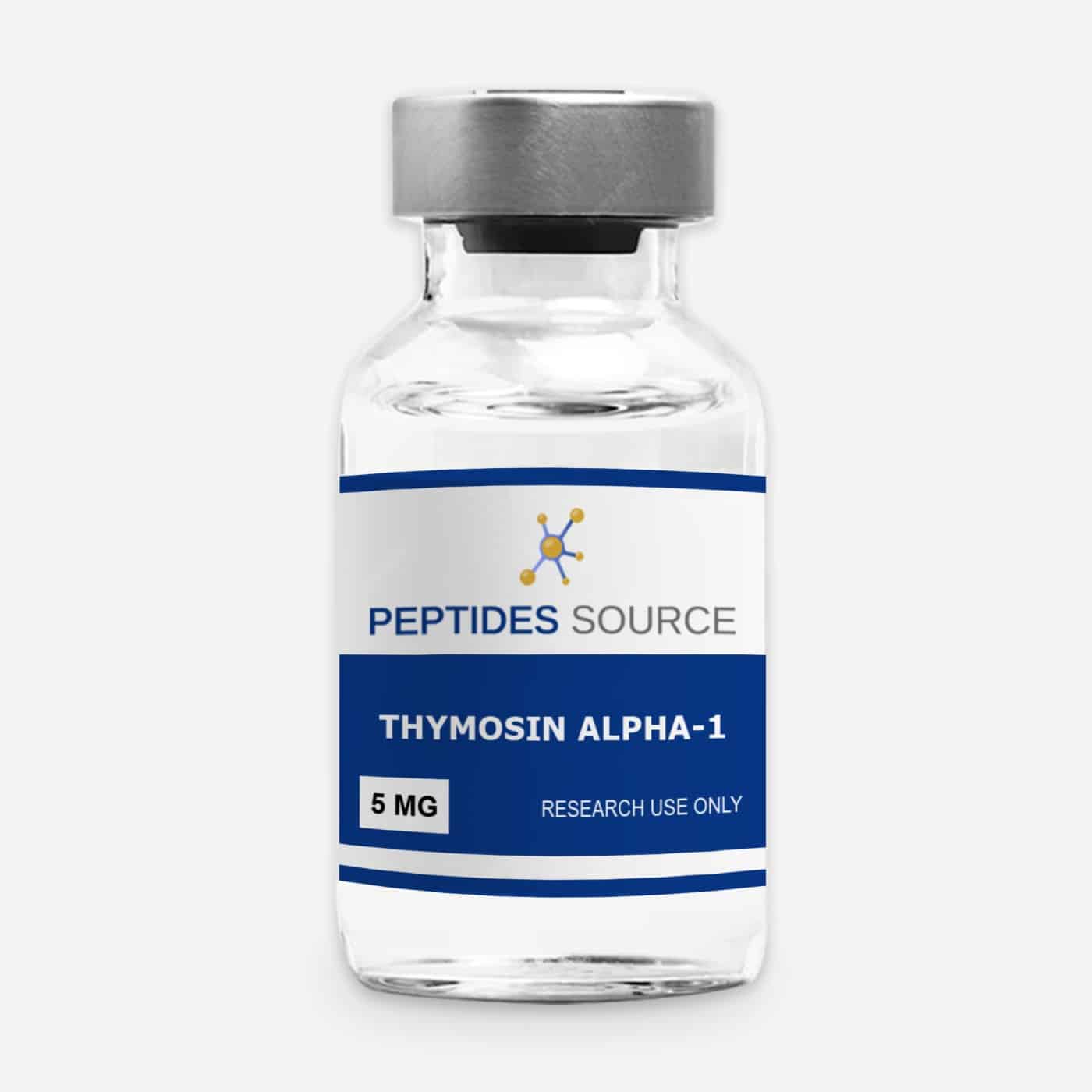
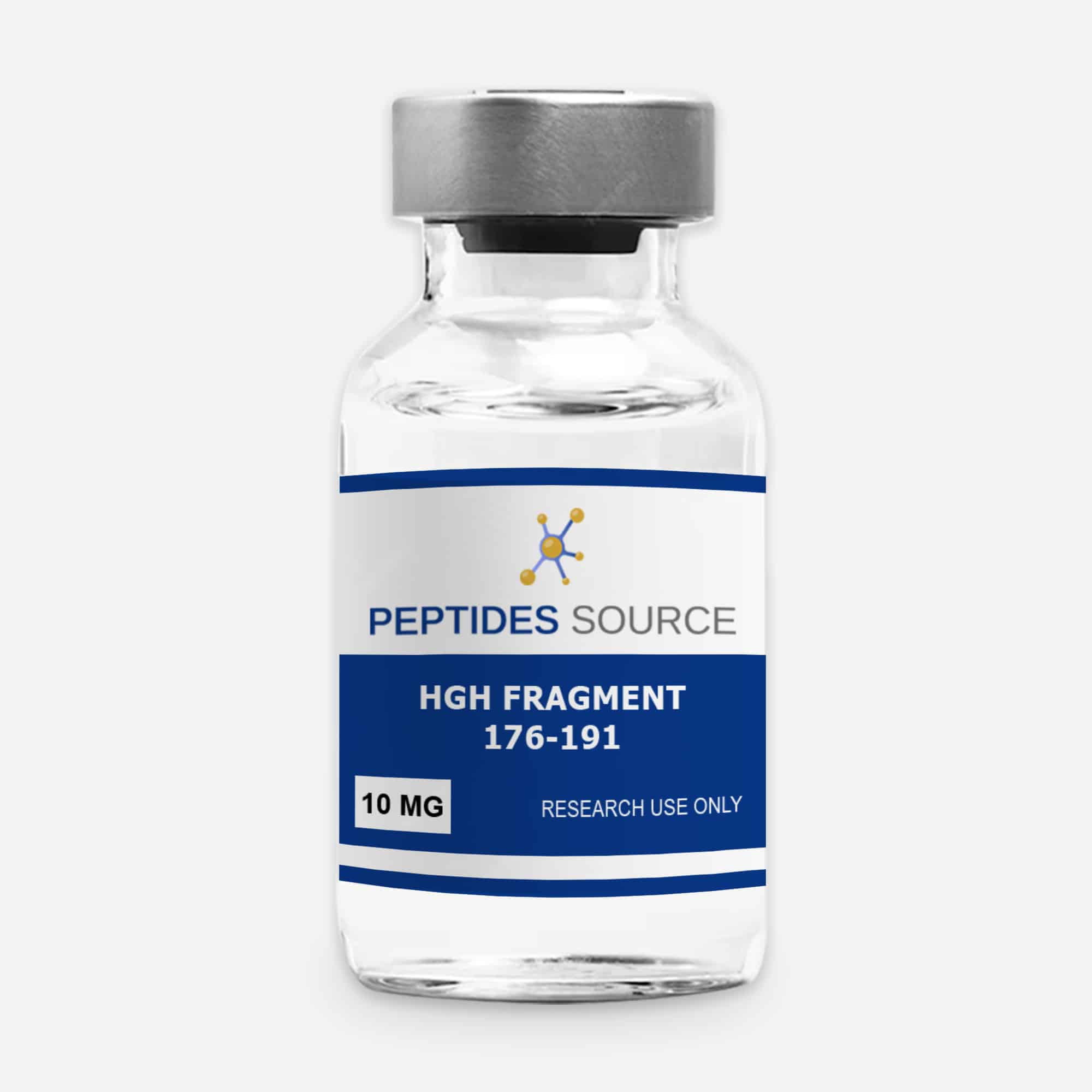
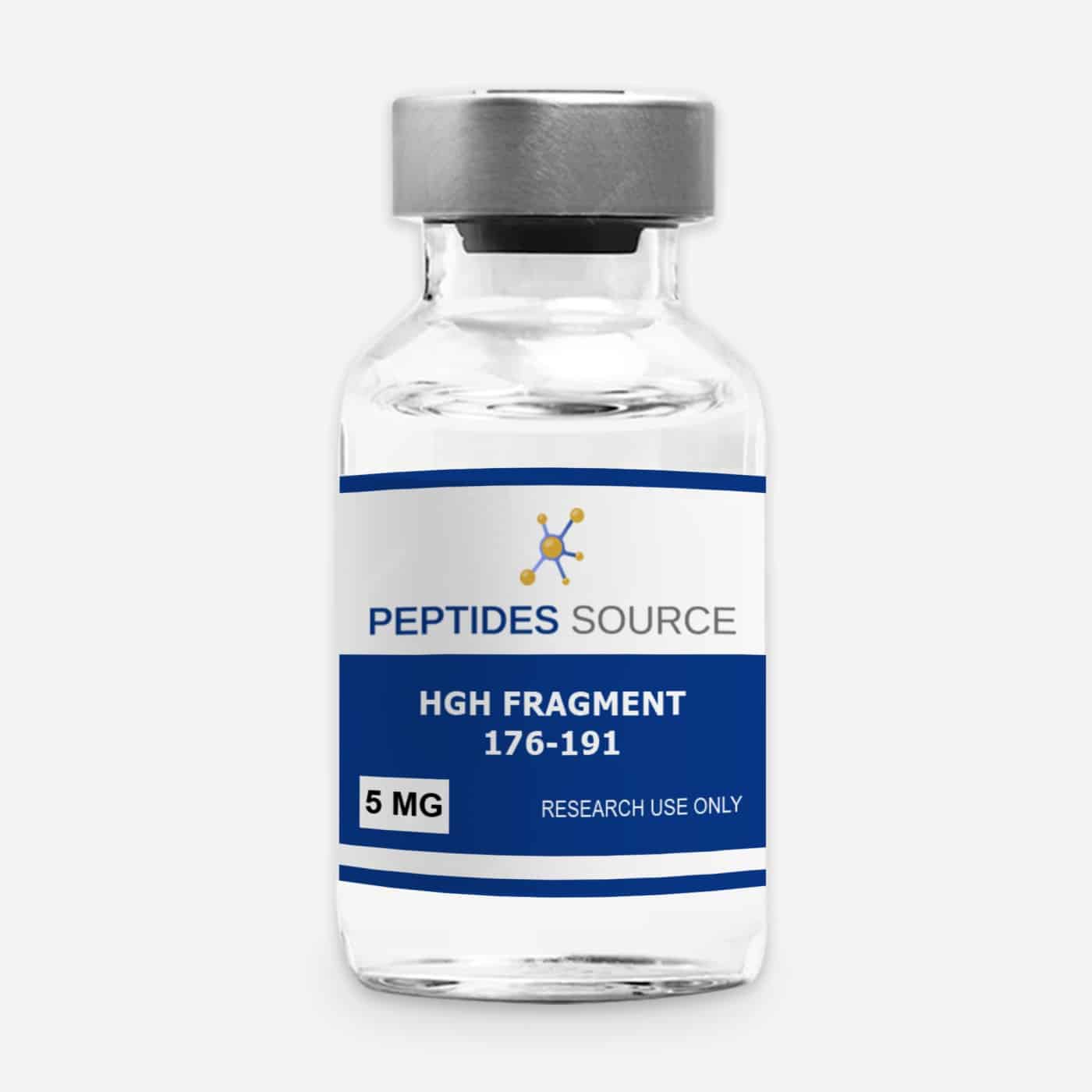
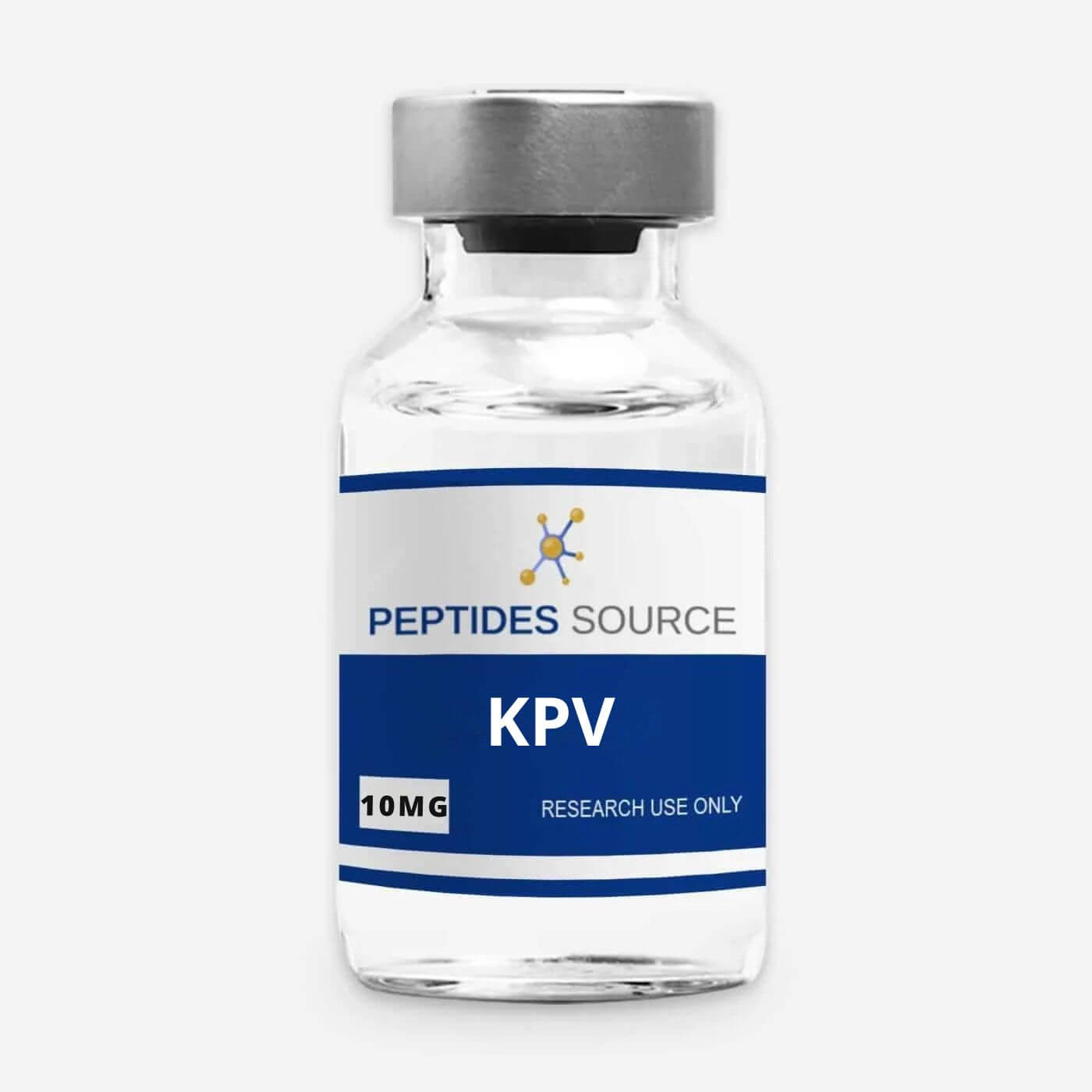
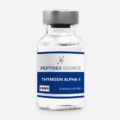
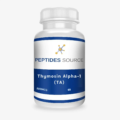
The compound in our thymosin alpha 1 peptide research vials is one of the most frequently misidentified in research catalogs generally, usually because it shares a family name with a completely different molecule. This profile sets out what it actually is: a 28-residue fragment of a much larger nuclear protein, acetylated at one end, engaging pattern-recognition receptors rather than any of the pathways its name is often assumed to imply. It is written for qualified researchers working with in vitro and controlled animal-model systems, and it describes molecular and research characteristics only, not outcomes in people. The 10mg format is supplied on the same terms.
All compounds discussed are intended strictly for in vitro research and laboratory use. Not for human or animal consumption. This page describes receptor pharmacology and laboratory characteristics only. It makes no physiological, therapeutic or outcome claims of any kind.
The short version
- Thymosin alpha-1 is 28 amino acids, corresponding to the N-terminal fragment of prothymosin alpha, a 111-residue nuclear protein.
- Its N-terminus is acetylated. That is a defined part of the molecule, not a manufacturing artifact, and it shows up in the mass.
- It is not thymosin beta-4 and it is not TB-500. Shared family name, entirely different sequence, size and research area.
- The receptor interaction most reported is with Toll-like receptors, particularly TLR2 and TLR9, which are pattern-recognition receptors of innate immunity.
- Thymalfasin is the name the same molecule is filed under in PubChem and against its CAS number.
- For research use only. Not for human or veterinary use or consumption.
Structure: a fragment of something much larger
Thymosin alpha-1 does not exist as an independent gene product. It corresponds to residues 2 to 29 of prothymosin alpha, a 111-residue acidic nuclear protein (UniProt P06454), and is generated by proteolytic processing of that precursor.
Two structural features define the molecule as supplied. The N-terminus is acetylated, which is part of the specified structure rather than an incidental modification. And the sequence is unusually acidic, carrying a high proportion of aspartate and glutamate residues, which is inherited from the strongly acidic character of the parent protein.
That acidity has a practical consequence. It affects solubility behavior and it affects how the peptide behaves on ion-exchange chromatography, which is worth knowing when reading a purity method rather than only a purity number.
The historical name comes from thymosin fraction 5, a crude thymic tissue extract from which a family of peptides was originally characterized. That fraction was a mixture, and the “thymosin” label was applied to several unrelated molecules found in it. This is the direct cause of the naming confusion described below.
Thymosin alpha 1 peptide: molecular profile
| Research criterion | Value |
|---|---|
| Class | Synthetic 28-residue peptide, N-terminally acetylated |
| Also known as | Thymalfasin, thymosin alpha 1, TA-1 |
| Residues | 28 |
| Parent protein | Prothymosin alpha, 111 residues, UniProt P06454 |
| Position in parent | N-terminal region, residues 2 to 29 |
| N-terminus | Acetylated |
| Molecular formula | C129H215N33O55 |
| Molecular weight | 3,108.3 g/mol |
| CAS number | 62304-98-7 |
| PubChem CID | 16130571 |
| Receptors reported | Toll-like receptors, principally TLR2 and TLR9 |
| Form supplied | Lyophilized powder in the vial formats; other formats exist in the range, confirm on the listing |
At roughly 3,108 g/mol this is a substantially larger molecule than most research peptides in a catalog of this kind, which are commonly in the 700 to 1,800 range. That matters for two reasons: the mass spectrometry window is different, and reconstitution behavior is not safely inferred from experience with shorter sequences.
The naming problem, and how to avoid it
This is the single most common error involving this compound, and it originates in a historical accident rather than in any similarity between the molecules.
Because several unrelated peptides were isolated from the same crude thymic fraction, they were all given “thymosin” names with Greek-letter suffixes. The suffix is the whole distinction. Alpha and beta thymosins are not variants of one another.
| Criterion | Thymosin alpha-1 | Thymosin beta-4 and TB-500 |
|---|---|---|
| Residues | 28 | 43 for thymosin beta-4 |
| Parent protein | Prothymosin alpha | Not a fragment of prothymosin alpha |
| Approximate mass | 3,108 g/mol | 4,963 g/mol for thymosin beta-4, PubChem CID 45382195 |
| Research area | Innate and adaptive immune signaling | Actin binding and cytoskeletal research |
| Relationship to the other | None beyond the shared historical fraction | None beyond the shared historical fraction |
A certificate of analysis resolves this immediately if it reports a mass. The two molecules differ by well over a thousand daltons, so there is no ambiguity once the number is on the page. A certificate that gives only a name and a purity figure does not resolve it, and on a compound with this naming history that is a real gap rather than a pedantic one. Researchers working on the beta side of that family will find the relevant context in our TB-500 and thymosin beta-4 research overview.
Downstream signaling: what is actually reported
The mechanism most consistently described in the literature is interaction with Toll-like receptors, particularly TLR2 and TLR9, on cells of the innate immune system.
That is worth stating precisely, because it is not what the compound’s history suggests. Toll-like receptors are pattern-recognition receptors: their normal job is detecting conserved molecular signatures associated with pathogens, and they signal through adaptor proteins such as MyD88 into transcriptional programs. A peptide that engages them is being studied as a modulator of that recognition machinery.
Downstream of that engagement, preclinical work examines effects on dendritic-cell function and on markers of cytokine signaling, and separately on the maturation and differentiation of T lymphocytes. The breadth of that literature is surveyed in Dominari and colleagues, 2020.
The useful framing for a tool compound is that thymosin alpha-1 sits at the junction of innate and adaptive immune signaling, which is exactly why it is used to probe how the two are coordinated in defined model systems.
How it is used as a research tool
- Cell-based innate immune assays measuring TLR pathway activation and downstream cytokine markers.
- Dendritic-cell studies, examining maturation markers and antigen-presentation behavior in culture.
- T-cell differentiation models, used to characterize thymus-associated maturation pathways.
- Rodent immunology models, where innate and adaptive signaling can be observed together in a controlled in vivo system.
Its provenance is documented the same way as the rest of our US-made research catalog.
Verification: what a certificate should tell you
- Purity verified by HPLC, with the figure recorded on a batch-specific certificate of analysis tied to your lot number
- Identity confirmed by mass spectrometry against the expected mass of 3,108.3 g/mol. On this compound the mass is also what distinguishes it from the beta-family peptides it is confused with
- Acetylation confirmed. The N-terminal acetyl group is part of the specified structure and adds 42 daltons. A non-acetylated preparation is a different species and the mass will say so
- Third-party testing, independent of the supplier
- Documented sourcing, US-based, for traceability
Peptides Source supplies thymosin alpha-1 at 98 percent or higher purity by HPLC with third-party batch documentation. For the criteria to apply to any supplier, see our guide to choosing a reliable peptide source.
Handling in the laboratory
Supplied as a lyophilized powder and reconstituted before study. Other formats exist in the range, so confirm the format on the listing rather than assuming.
- Reconstitution: use a diluent appropriate to the assay, commonly bacteriostatic water. The strongly acidic sequence means solubility behavior should be confirmed in the intended vehicle rather than inferred from shorter, less acidic peptides.
- Storage, lyophilized: sealed vial frozen at approximately -20 degrees Celsius, protected from light.
- Storage, reconstituted: refrigerated at 2 to 8 degrees Celsius, aliquoted to avoid repeated freeze-thaw cycles, used within a short window.
Frequently asked questions
What is the thymosin alpha 1 peptide?
Thymosin alpha-1 is a synthetic 28-amino-acid peptide corresponding to the N-terminal region of prothymosin alpha, a 111-residue nuclear protein. Its N-terminus is acetylated and its molecular weight is 3,108.3 g/mol. In research it is used as a tool compound for innate and adaptive immune signaling. It is supplied strictly for in vitro and laboratory research.
Is thymosin alpha-1 the same as TB-500?
No. They share a family name and nothing else. Thymosin alpha-1 is 28 residues from prothymosin alpha at about 3,108 g/mol, studied in immune signaling. TB-500 relates to thymosin beta-4, a 43-residue peptide at 4,963 g/mol, studied in actin-binding and cytoskeletal research. The two were named from the same crude thymic extract, which is the entire source of the confusion.
What receptors does thymosin alpha-1 interact with?
The interaction most consistently reported is with Toll-like receptors, particularly TLR2 and TLR9, which are pattern-recognition receptors on cells of the innate immune system. Downstream work examines dendritic-cell function, cytokine markers and T-lymphocyte maturation in preclinical systems.
What is thymalfasin?
Thymalfasin is the name thymosin alpha-1 is filed under in the chemical databases. It is the same molecule under a different naming convention, and it is the title of PubChem record CID 16130571 and the name carried against CAS number 62304-98-7. It is worth knowing because a certificate of analysis may use either name.
Why does the acetylation matter?
The N-terminal acetyl group is part of the specified structure rather than an optional modification, and it adds roughly 42 daltons to the mass. A preparation lacking it is a different chemical species, and a correctly reported mass on the certificate is what confirms it is present.
What is prothymosin alpha?
Prothymosin alpha is the 111-residue acidic nuclear protein from which thymosin alpha-1 is derived by proteolytic processing. Thymosin alpha-1 corresponds to its N-terminal region. The strongly acidic character of the parent protein is inherited by the fragment and affects its chromatographic and solubility behavior.
What purity should research-grade thymosin alpha-1 meet?
Verified by HPLC at 98 percent or higher on a batch-specific certificate of analysis, with identity confirmed by mass spectrometry against the expected 3,108.3 g/mol. On this compound the mass check does double duty, because it is also what separates it from the beta-family peptides it is routinely confused with.
How is thymosin alpha-1 stored and handled?
Supplied as a lyophilized powder and reconstituted in the laboratory, typically in bacteriostatic water. Sealed lyophilized vials are stored frozen at approximately -20 degrees Celsius and protected from light. Reconstituted material is refrigerated at 2 to 8 degrees Celsius, aliquoted to avoid repeated freeze-thaw cycles, and used within a short window. Because the sequence is strongly acidic, confirm solubility in the intended vehicle rather than assuming it from shorter peptides.
References
- US National Library of Medicine, PubChem. Compound record: Thymalfasin, CID 16130571.
- Dominari A, Hathaway III D, Pandav K, et al. Thymosin alpha 1: a comprehensive review of the literature. World J Virol. 2020;9(5):67-78. PMC7747025.
- UniProt Consortium. Protein record: Prothymosin alpha, accession P06454.
Peptides Source supplies research compounds for in vitro and laboratory research only. Nothing on this page is a recommendation for human or veterinary use. All products are sold strictly for research purposes and are not for human or animal consumption. Must be 21+ to purchase.