
All compounds discussed are intended strictly for in vitro research and laboratory use. Not for human or animal consumption.
SLU-PP-332 is a synthetic small-molecule agonist of the estrogen-related receptors (ERRs) that has become one of the most discussed research compounds in metabolic science. It is studied in preclinical models as an “exercise mimetic”, meaning a tool compound used to investigate the signaling pathways that physical activity activates, rather than a substitute for it. This profile summarizes what SLU-PP-332 is, the research mechanisms proposed for it, the preclinical models it has been used in, and the purity and handling standards that matter when sourcing it for laboratory work. It is written for qualified researchers working in in vitro and controlled animal-model settings.
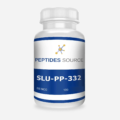
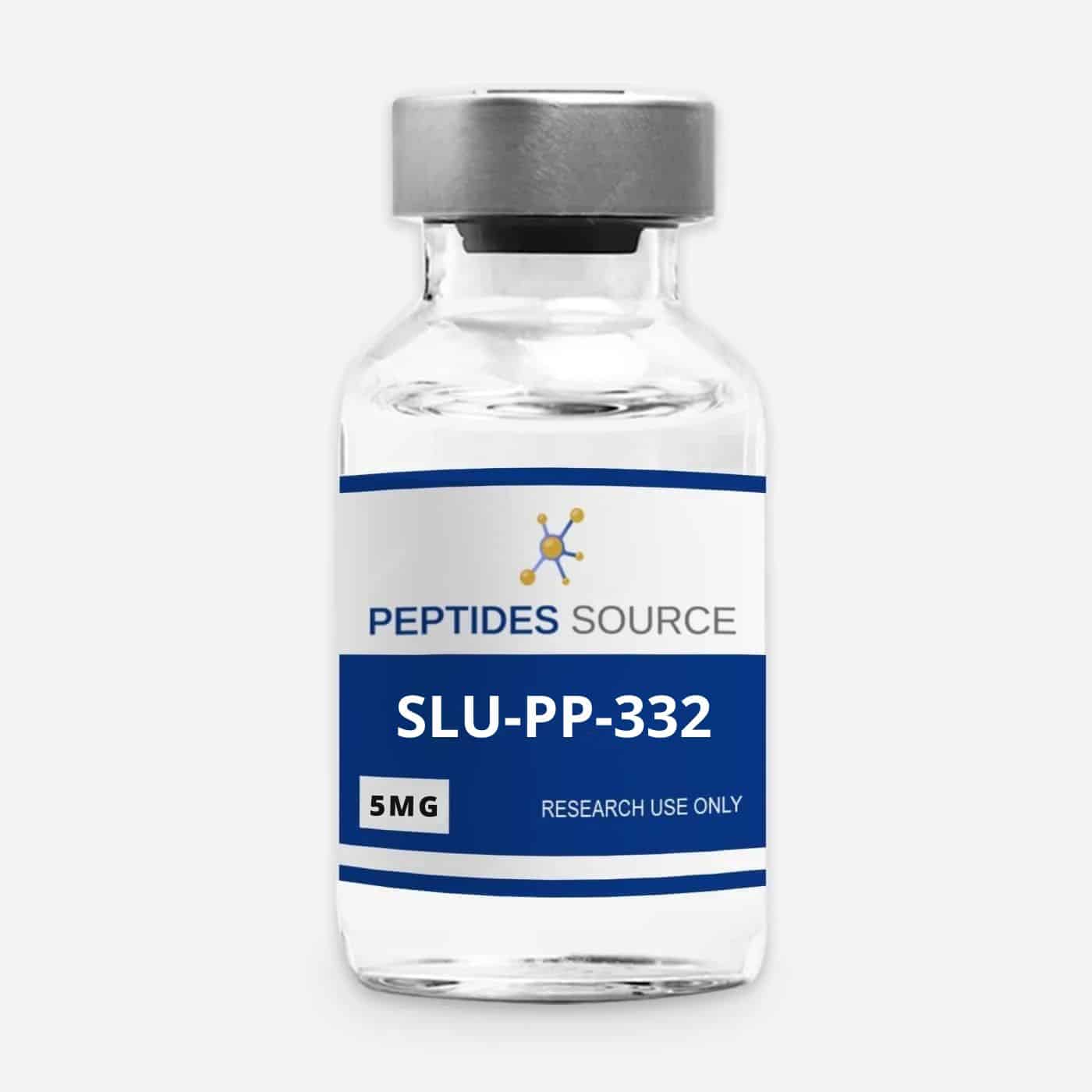
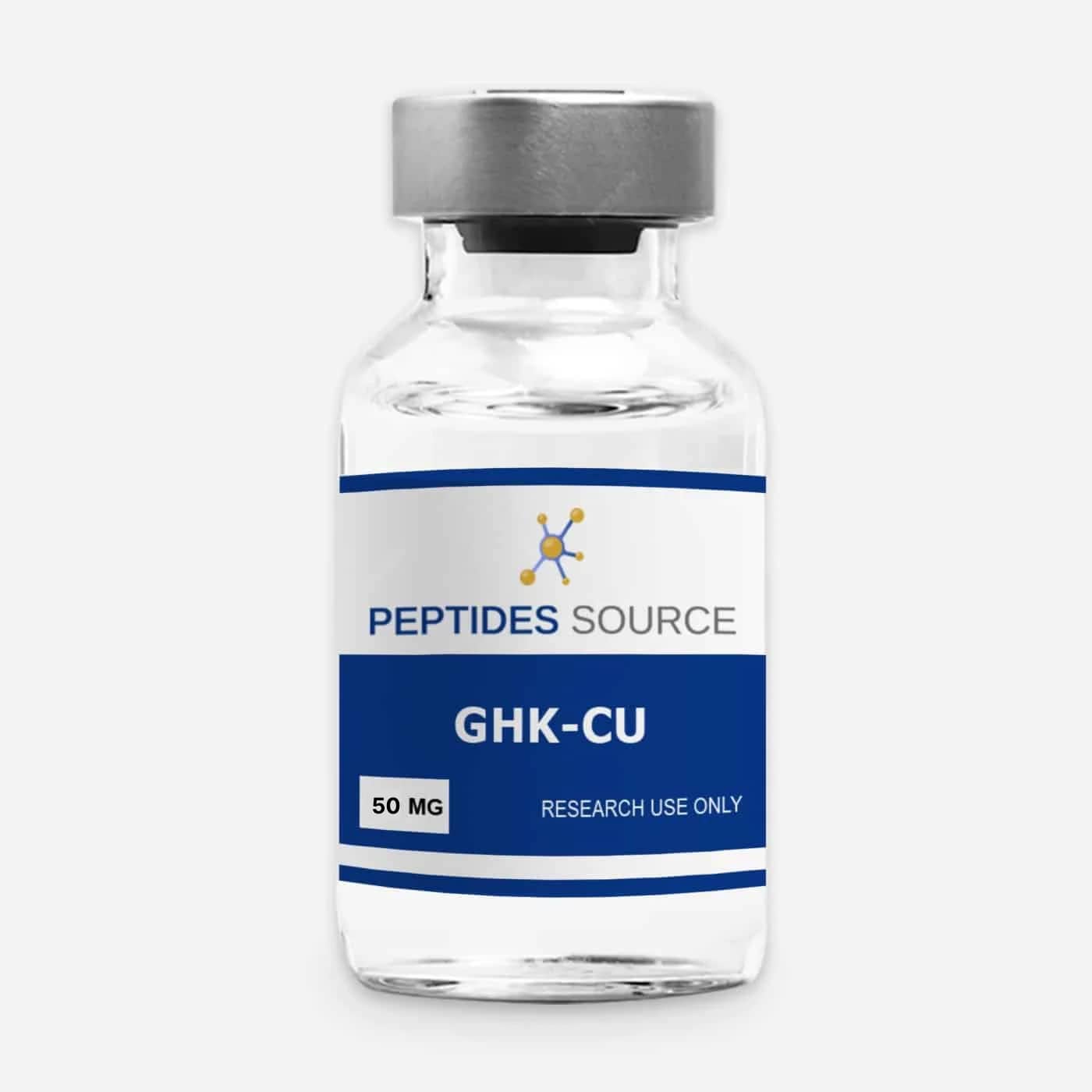
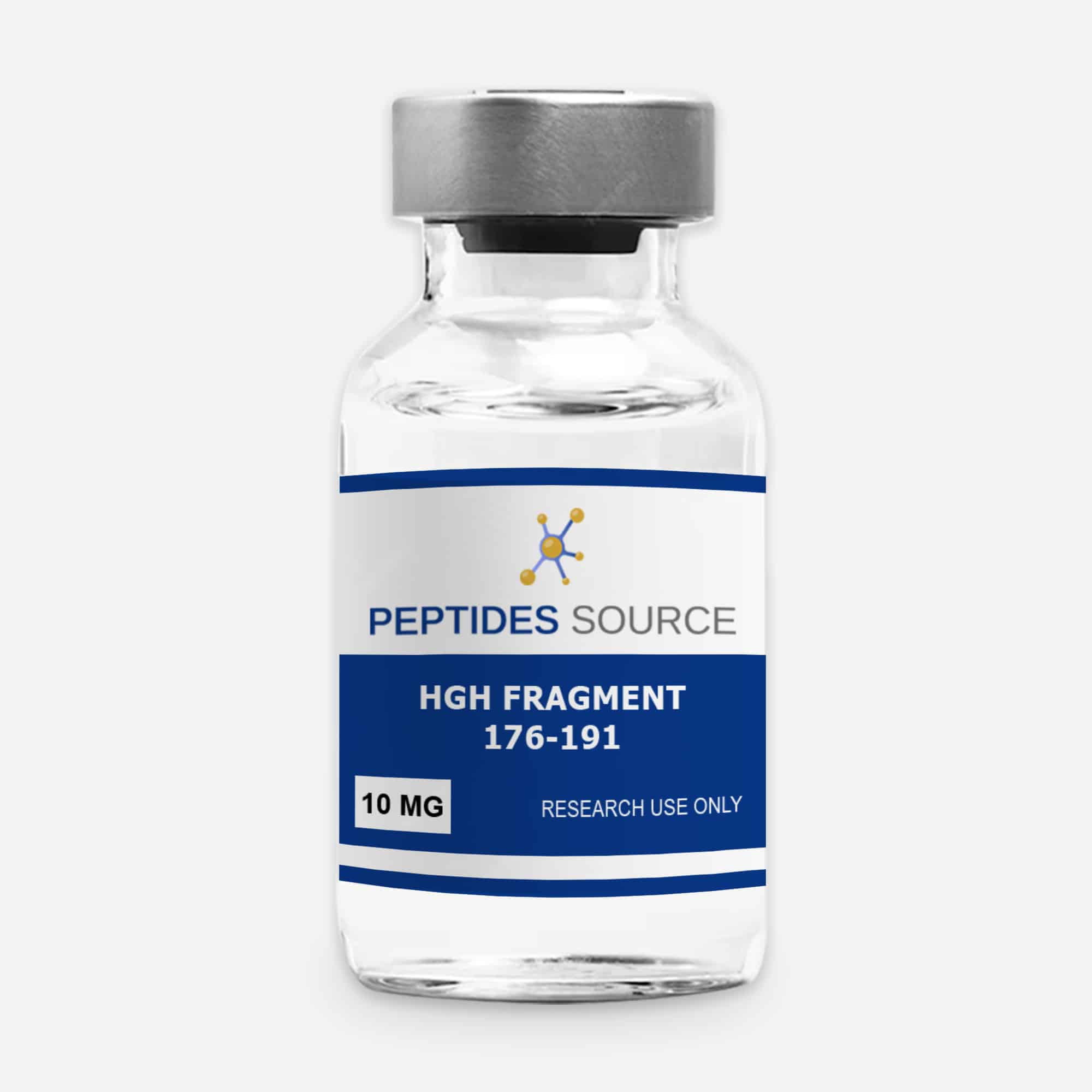
The SLU-PP-332 5mg research vial and related formats are supplied by Peptides Source strictly for that purpose.
Molecular and research profile
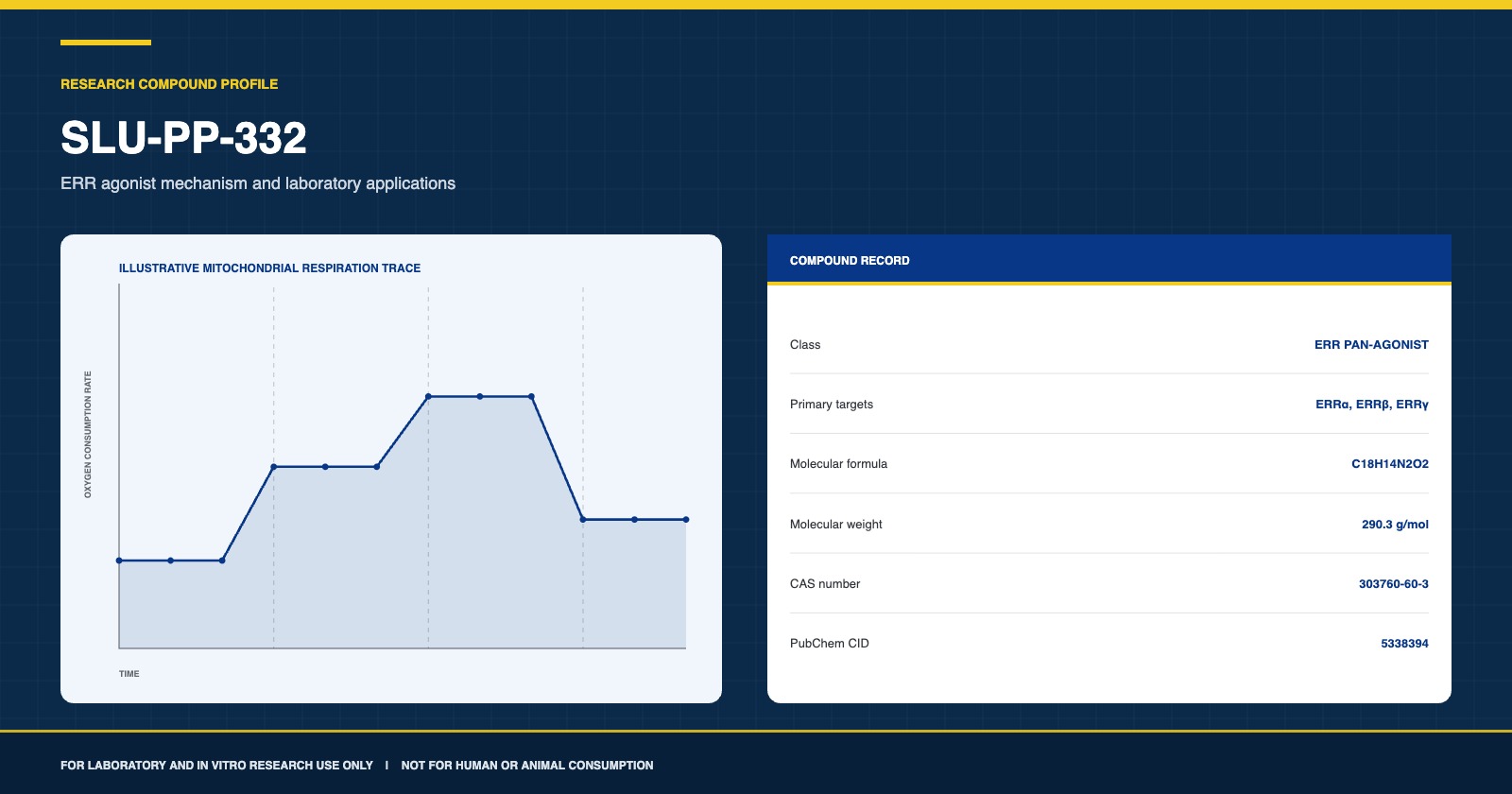
SLU-PP-332 is a synthetic non-peptide small molecule developed as a selective pan-agonist of the estrogen-related receptor family (ERRα, ERRβ and ERRγ). The estrogen-related receptors are orphan nuclear receptors that act as master regulators of oxidative metabolism and mitochondrial function, which is why an ERR agonist is of interest as a research tool for studying energy metabolism. Reported selectivity data indicate that SLU-PP-332 acts on the ERR family while showing selectivity over the classical estrogen receptors ERα and ERβ, a distinction that matters for interpreting mechanistic experiments.
Key research characteristics:
- Class: synthetic small-molecule ERR (estrogen-related receptor) agonist
- Primary targets: ERRα, ERRβ, ERRγ
- Selectivity: reported selectivity over ERα and ERβ
- Molecular formula: C18H14N2O2
- Molecular weight: 290.3 g/mol
- CAS number: 303760-60-3
- PubChem CID: 5338394
- Research area: metabolic and mitochondrial signaling
- Form supplied: lyophilized powder for reconstitution in the laboratory
Proposed research mechanisms
The interest in SLU-PP-332 comes from the central role the estrogen-related receptors play in oxidative metabolism. The mechanisms below are drawn from preclinical in vitro and animal-model research and describe a research context only.
ERR activation and mitochondrial function
ERRα is a principal transcriptional regulator of genes involved in mitochondrial biogenesis, oxidative phosphorylation and fatty acid oxidation. By acting as an agonist at the ERRs, SLU-PP-332 has been used in cell-culture and rodent systems to study how increased ERR signaling influences mitochondrial function and cellular respiration in skeletal muscle model systems.
Exercise-mimetic signaling
Acute aerobic exercise activates a characteristic metabolic program. In a widely cited 2024 study, SLU-PP-332 administration was reported to mimic several exercise-induced effects on whole-body metabolism in mice, including increased energy expenditure and fatty acid oxidation (Billon et al., 2024). This is the basis for its description as an exercise mimetic in the research literature. All such findings are observations in animal-model and in vitro systems and are not statements about human outcomes.
Metabolic-stress and skeletal-muscle models
Because the ERRs sit upstream of oxidative-metabolism gene programs, SLU-PP-332 has been used as a tool compound in preclinical research on metabolic syndrome and skeletal-muscle energetics, where investigators measure endpoints such as oxygen consumption, gene expression and substrate utilization in controlled models.
Preclinical research models
SLU-PP-332 has been examined primarily in the following preclinical contexts. All are laboratory and animal-model systems; no human data or outcomes are implied.
- In vitro skeletal-muscle cell lines: used to study mitochondrial function, cellular respiration and ERR-dependent gene expression.
- Rodent metabolic models: used to study energy expenditure, fatty acid oxidation and body-composition endpoints in controlled animal studies.
- Structure-activity research: medicinal-chemistry work has explored optimization of the SLU-PP-332 scaffold to refine ERR selectivity and pharmacological properties.
Because SLU-PP-332 is a comparatively new compound, its literature is still developing, which is part of why it is an active area of research interest rather than a settled one.
Research purity and quality standards
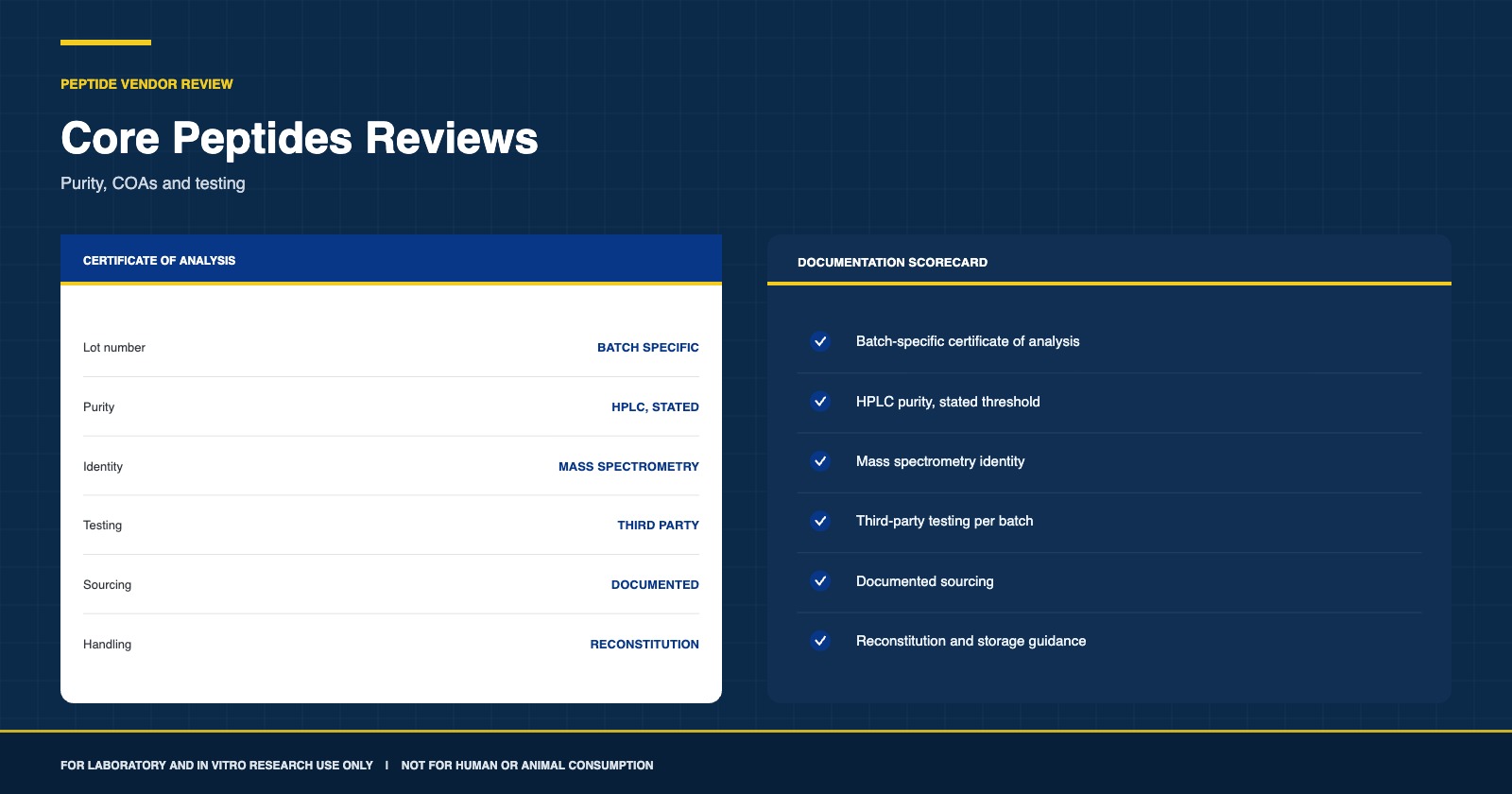
Reproducibility in SLU-PP-332 research depends on knowing exactly what is in the vial. Research-grade material should meet the following documentation standards:
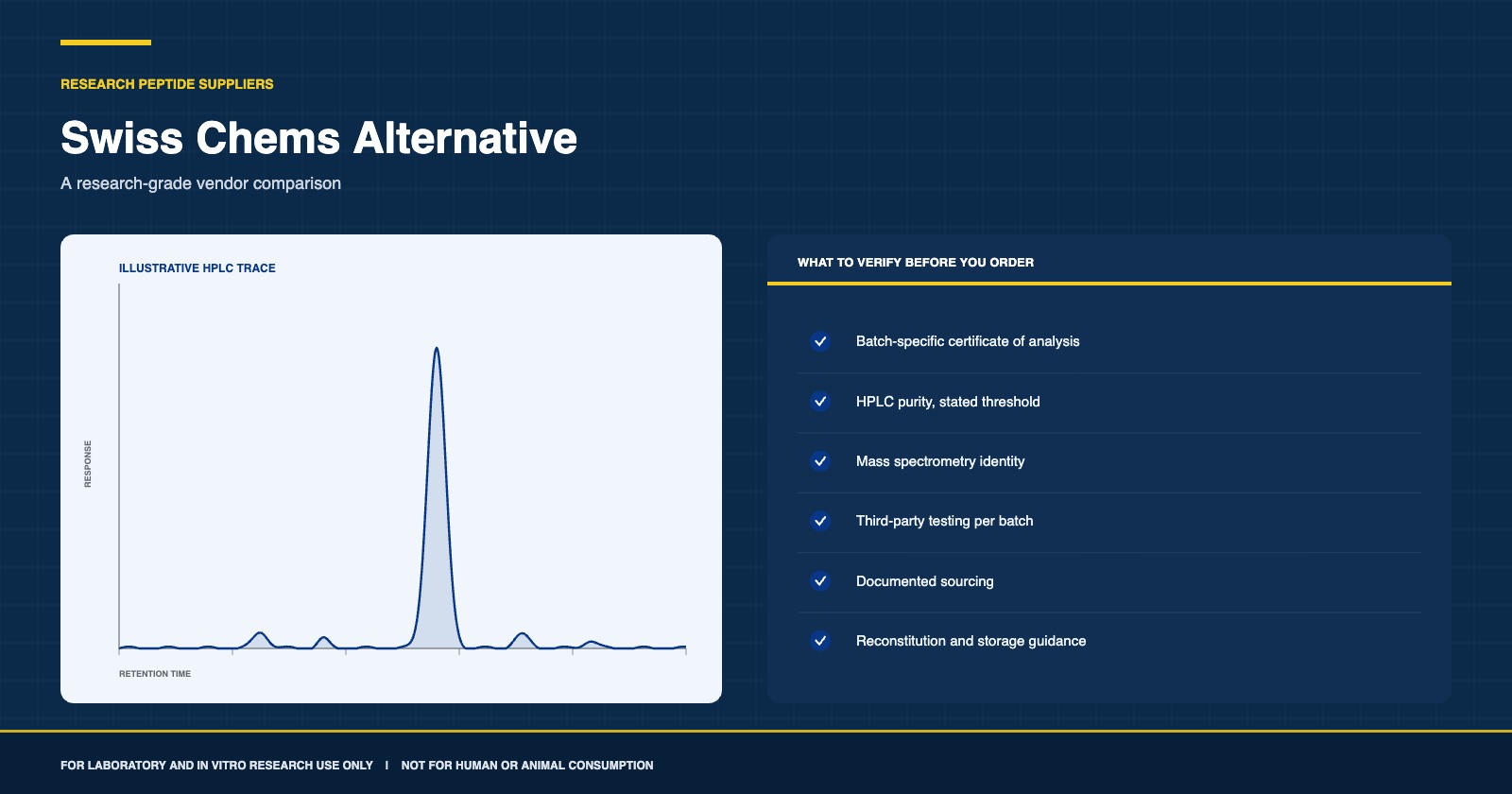
- Purity: verified by HPLC, with the chromatogram or purity figure recorded on a batch-specific certificate of analysis
- Identity: confirmed by mass spectrometry against the expected molecular mass
- Third-party testing: independent laboratory verification, not solely in-house quality control
- Sourcing: documented, US-based supply for traceability
Peptides Source supplies SLU-PP-332 with third-party batch documentation as standard. For the criteria researchers should apply to any supplier, see our guide to choosing a reliable peptide source.
Laboratory preparation and handling
SLU-PP-332 is supplied as a lyophilized powder and is reconstituted in the laboratory before study. For step-by-step technique, see our research peptide reconstitution protocol.
- Reconstitution: use a suitable diluent appropriate to the assay; confirm solubility for the intended vehicle before preparing working solutions.
- Storage, lyophilized: store the sealed vial frozen, protected from light.
- Storage, reconstituted: refrigerate and use within a short window; aliquot to avoid repeated freeze-thaw cycles.
SLU-PP-332 is also stocked in a capsule research format alongside the 5mg vial.
Frequently Asked Questions
What is SLU-PP-332?
SLU-PP-332 is a synthetic small-molecule agonist of the estrogen-related receptors (ERRα, ERRβ and ERRγ), studied as a research tool in metabolic and mitochondrial science. It is used strictly in laboratory and animal-model research to investigate oxidative-metabolism signaling. It is not approved for human or veterinary use and is supplied for research use only.
What does SLU-PP-332 do in research models?
In preclinical in vitro and rodent studies, SLU-PP-332 is used to activate estrogen-related receptor signaling and to study downstream effects on mitochondrial function, cellular respiration, energy expenditure and fatty acid oxidation. These are observations in controlled research systems and describe a research mechanism only, not an effect in humans.
Why is SLU-PP-332 called an exercise mimetic?
The term reflects that, in animal-model research, SLU-PP-332 was reported to reproduce several of the metabolic signaling effects associated with acute aerobic exercise, such as increased energy expenditure and fatty acid oxidation. It is a description used in the research literature for a tool compound, not a claim that it replaces exercise or produces any outcome in people.
What purity should research-grade SLU-PP-332 meet?
Research-grade SLU-PP-332 should be verified by HPLC with the result recorded on a batch-specific certificate of analysis, and its identity confirmed by mass spectrometry. Independent third-party testing is the standard for research integrity. Peptides Source supplies SLU-PP-332 with third-party batch documentation.
How is SLU-PP-332 stored and handled in the laboratory?
It is supplied as a lyophilized powder and reconstituted in the laboratory before study. Store the sealed lyophilized vial frozen and protected from light; keep reconstituted material refrigerated, aliquoted to avoid repeated freeze-thaw cycles, and used within a short window. Handle only in a controlled laboratory setting by qualified professionals.
References
- Billon C, Schoepke E, Avdagic A, et al. A Synthetic ERR Agonist Alleviates Metabolic Syndrome. J Pharmacol Exp Ther. 2024;388(2):232-240. PMID 37739806. https://pmc.ncbi.nlm.nih.gov/articles/PMC10801787/
- US National Library of Medicine, PubChem. Compound record: SLU-PP-332 (CID 5338394). https://pubchem.ncbi.nlm.nih.gov/compound/5338394
All products are sold strictly for research use only (RUO). Not intended for human or animal consumption. For laboratory and in vitro use only. Must be 21+ to purchase.