
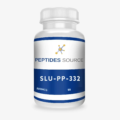
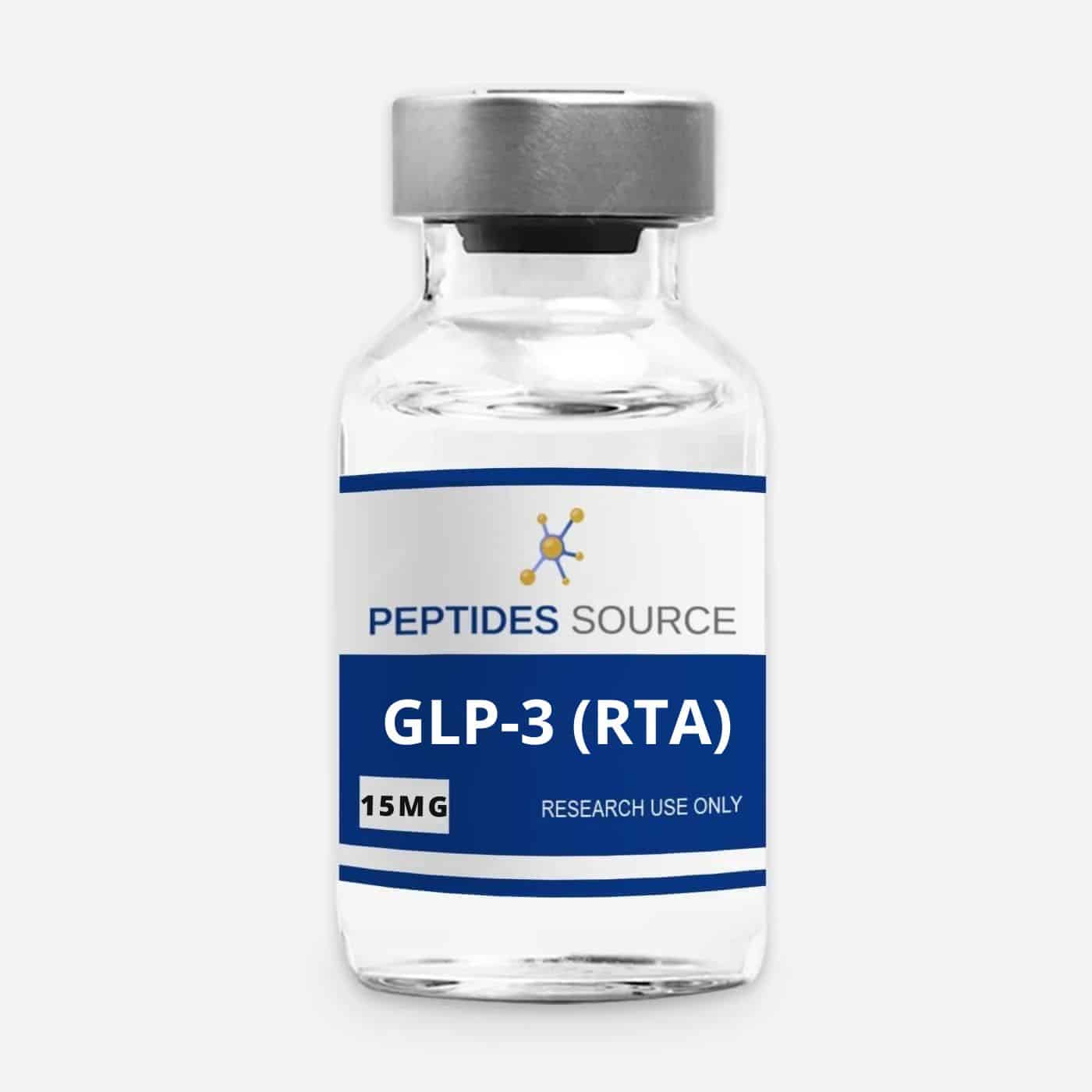
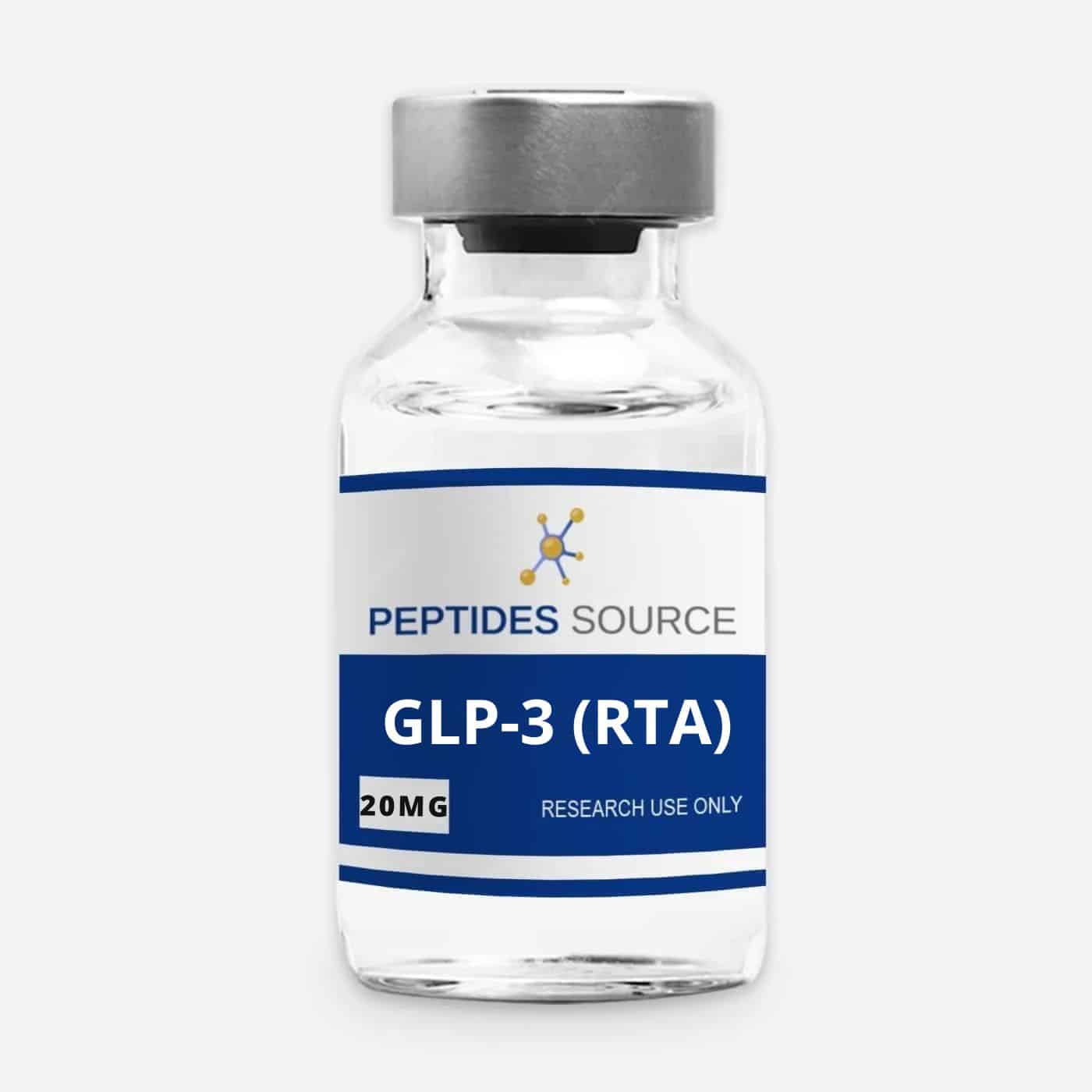
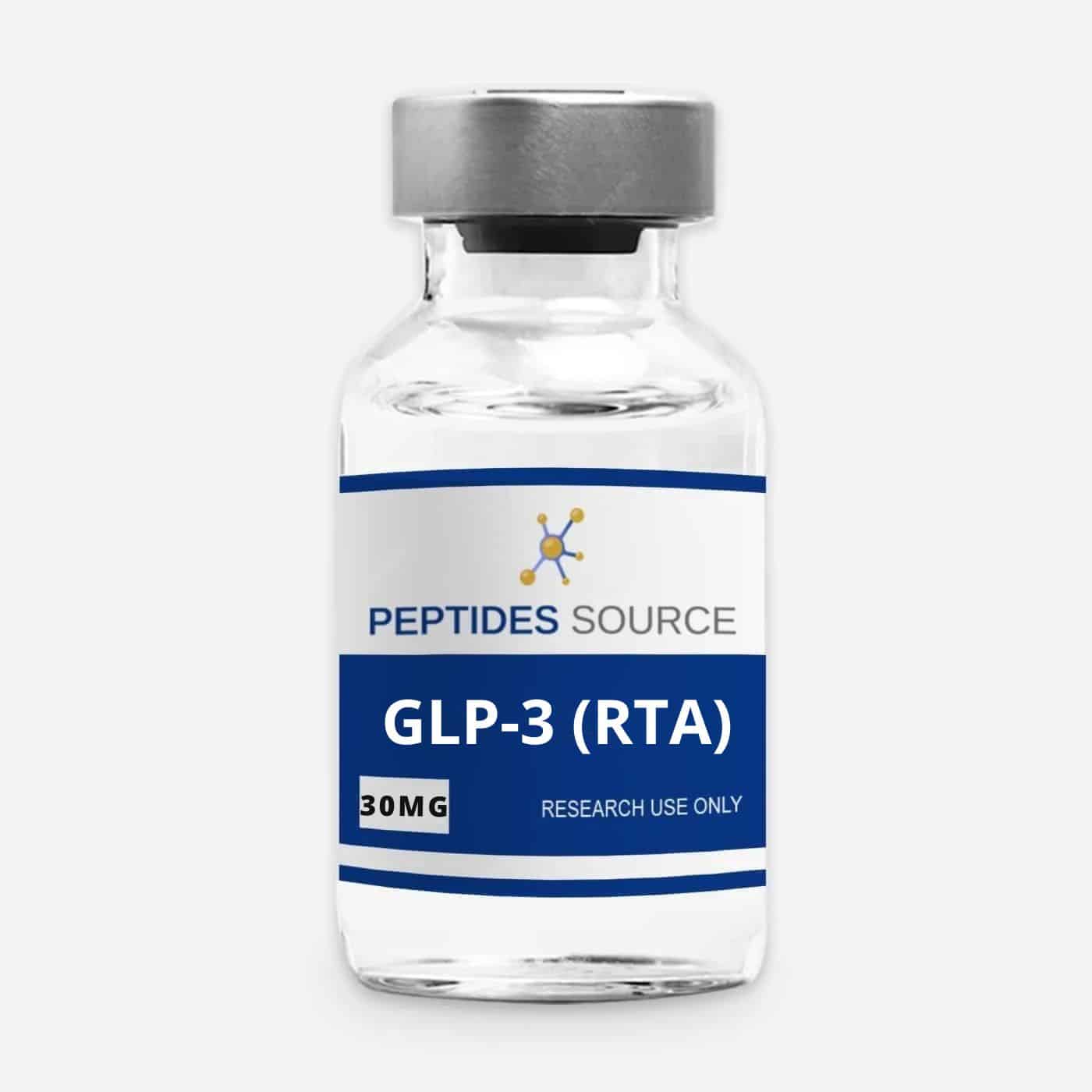
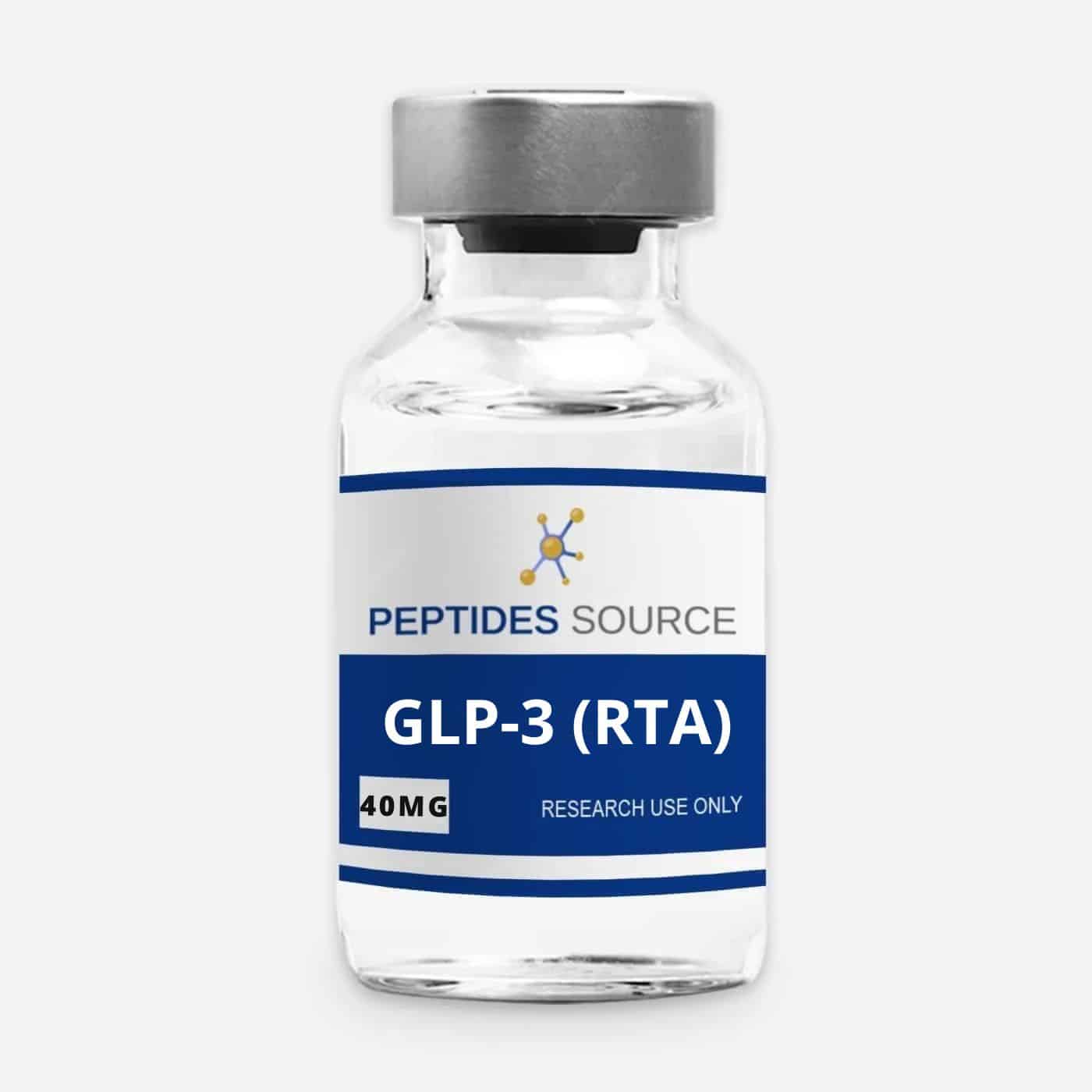
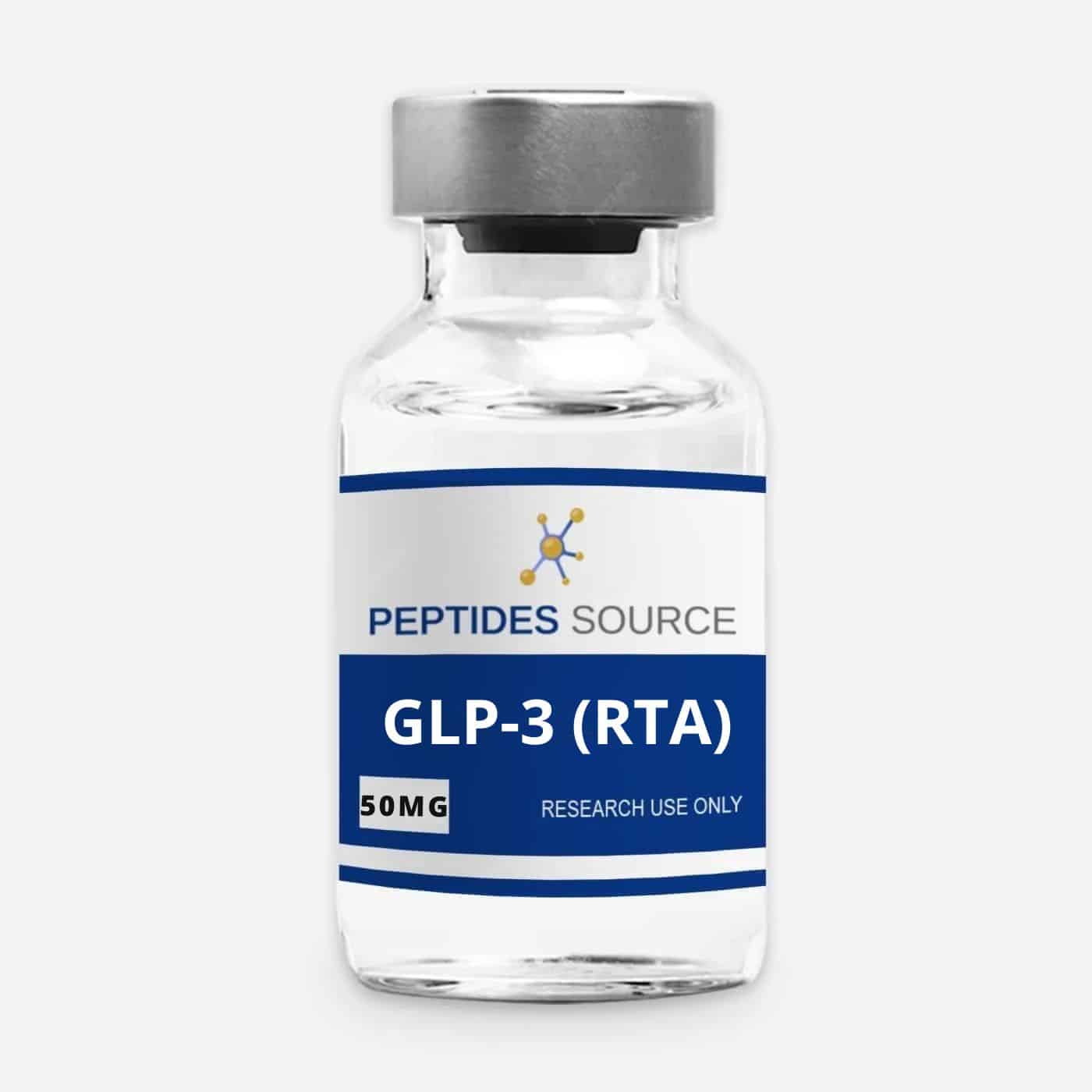


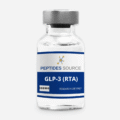
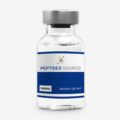
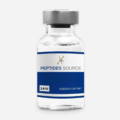
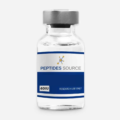
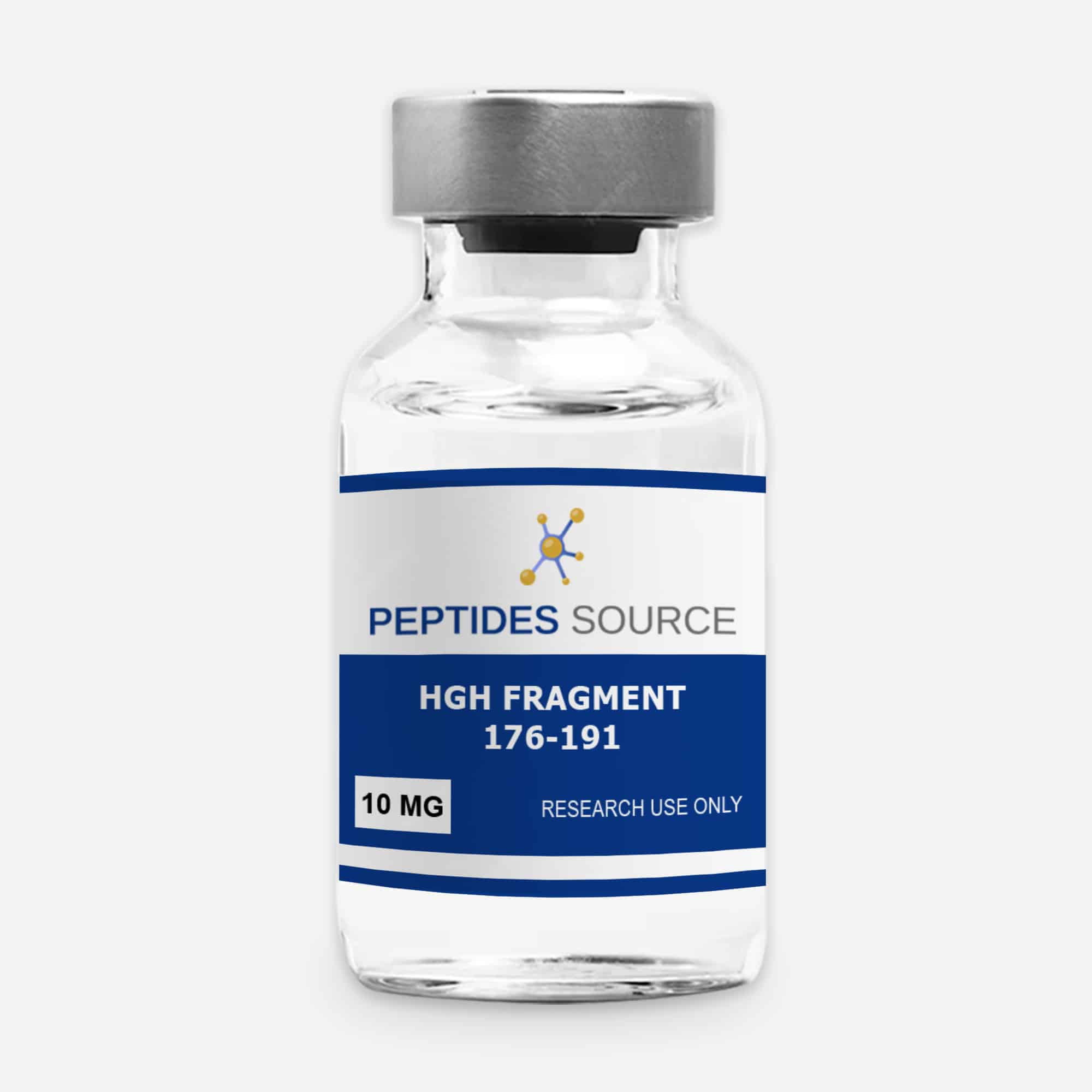

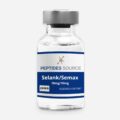
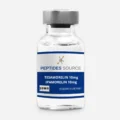
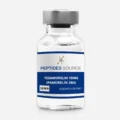
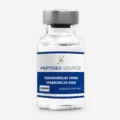
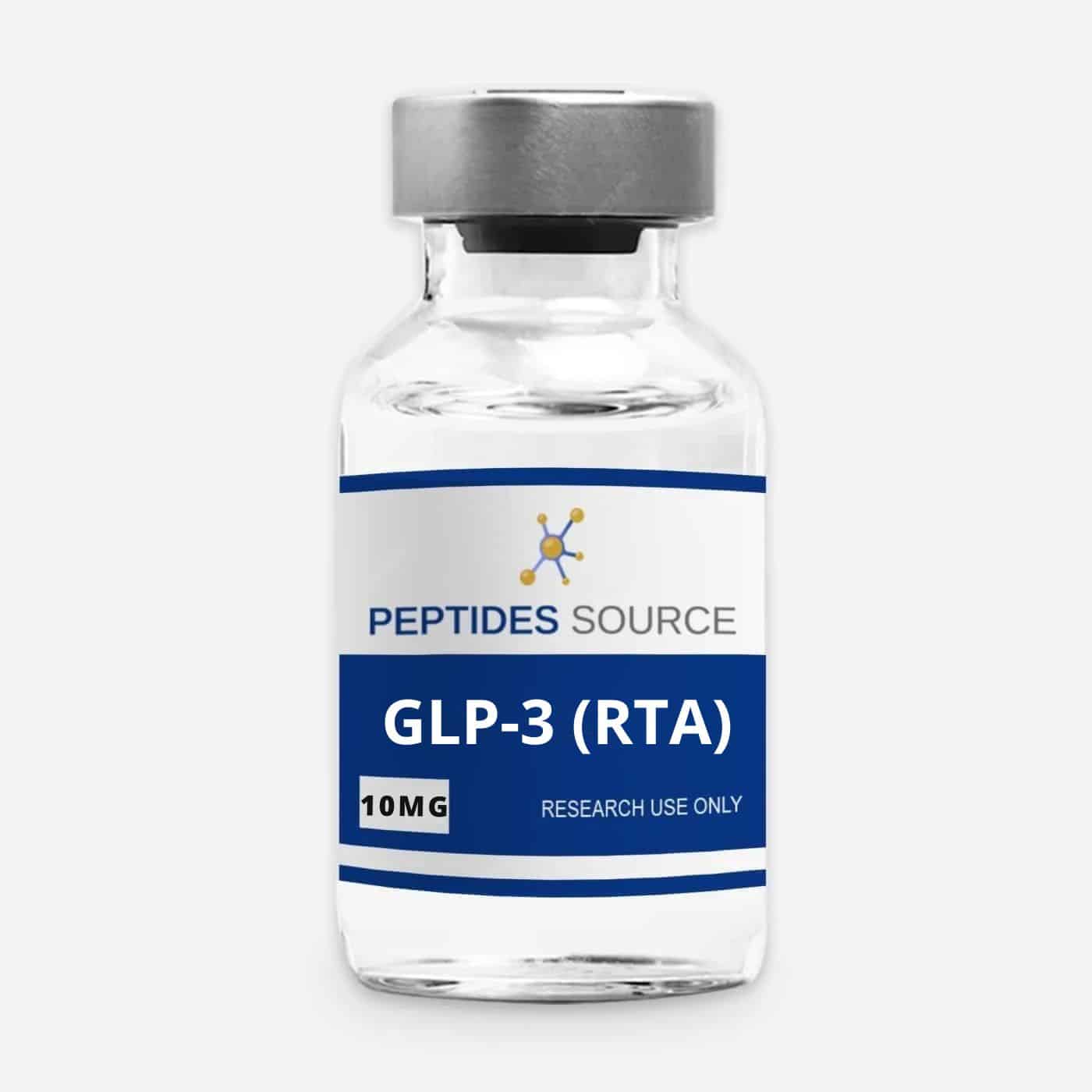
GLP-3 (RTA) 10mg
Third-party tested · ≥98% by HPLC
$130.00
GLP-3 (RTA) is a multi-receptor incretin peptide targeting the GLP-1, GIP and glucagon receptors, and one of the most sought-after compounds in metabolic research. ≥98% purity with certificate of analysis, USA-made, third-party tested. For laboratory research use only, not for human consumption.
- ≥98% by HPLC
- Research grade
- USA made
- Certificate of analysis available per batch
- Purity verified by HPLC
- Ships from a US facility
- Free shipping on orders over $175
- COA available Certificate of analysis per batch
- ≥98% purity Verified by HPLC
- USA made Third-party verified
- Same-day dispatch On orders placed before cut-off
- Free shipping over $175 Applied automatically at checkout
Complete your protocol
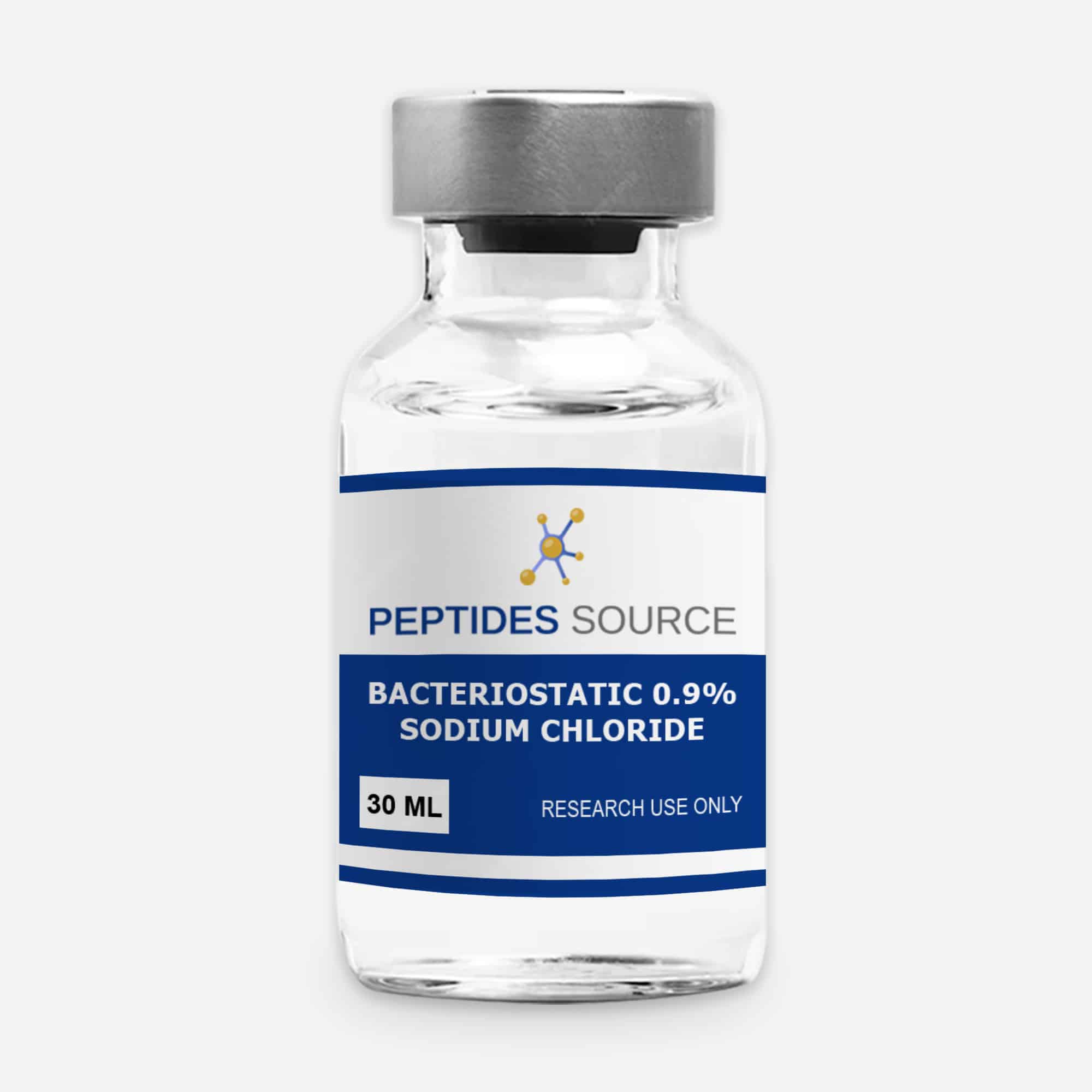
Lyophilised material must be reconstituted in the laboratory before study. These are the consumables required to do it.
-
Required Add to cart
About GLP-3 (RTA) 10mg
GLP-3 (RTA) is a multi-receptor incretin research peptide active at the GLP-1, GIP and glucagon receptors, and one of the most sought-after compounds in metabolic and incretin-pathway research. This listing supplies the 10mg lyophilized vial for laboratory research use. Every batch is tested to at least 98% purity by HPLC with a certificate of analysis (COA), is USA-made and third-party verified. For research use only; not for human or veterinary use or consumption.
Mechanism of Action
GLP-3 (RTA) is a single-molecule agonist active at three incretin-related receptors: the GLP-1, GIP and glucagon receptors. In preclinical systems researchers use it as a tool compound to study simultaneous multi-receptor incretin signalling and how combined receptor activity compares with single- and dual-agonist compounds. This describes a research mechanism only.
Preclinical Research
Multi-receptor incretin agonism has been examined in in-vitro receptor assays and animal metabolic-model research. GLP-3 (RTA) is used to probe how combined GLP-1, GIP and glucagon receptor activity behaves relative to single- and dual-agonist research peptides. All referenced work is preclinical and mechanistic; no human data or outcomes are implied.
Research Applications
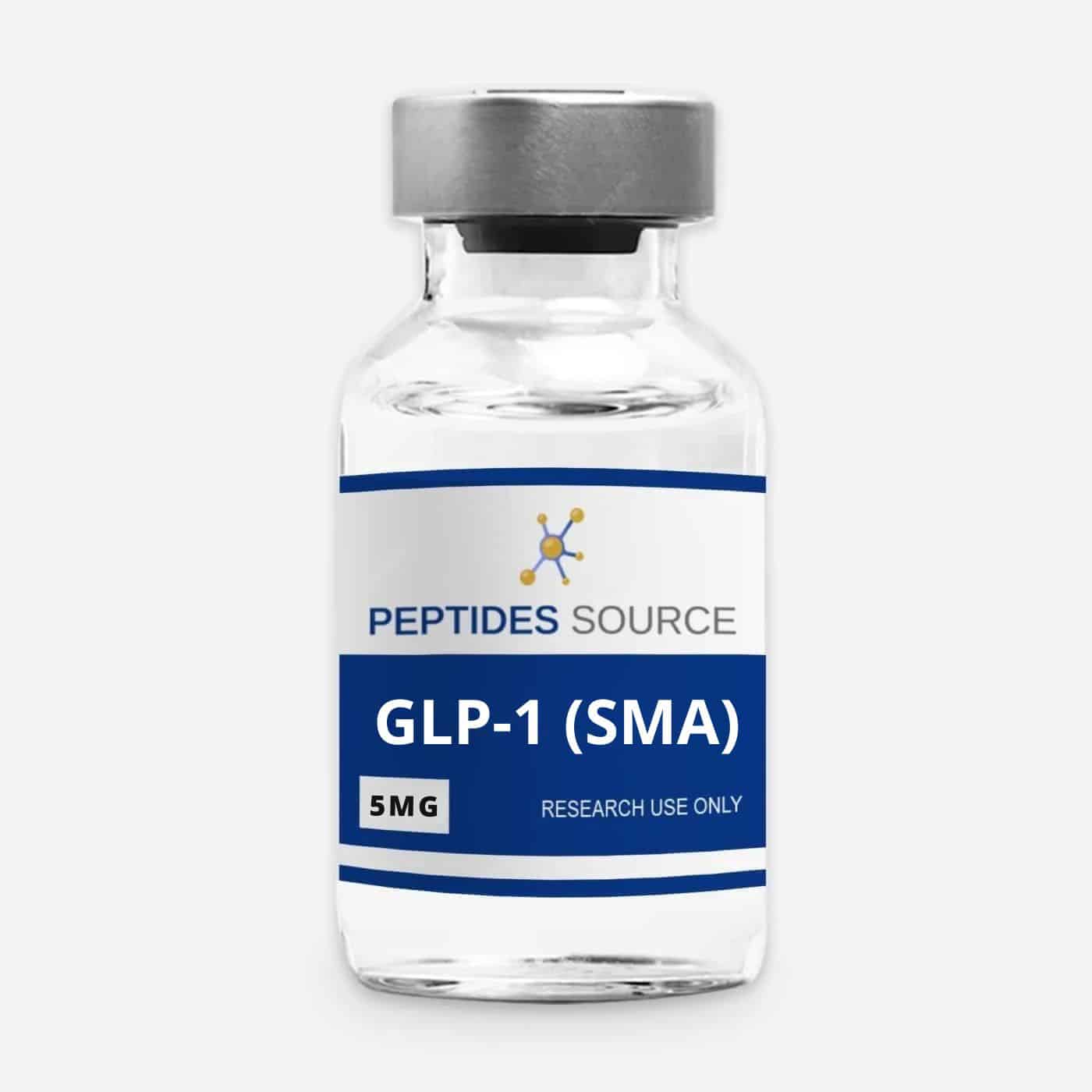
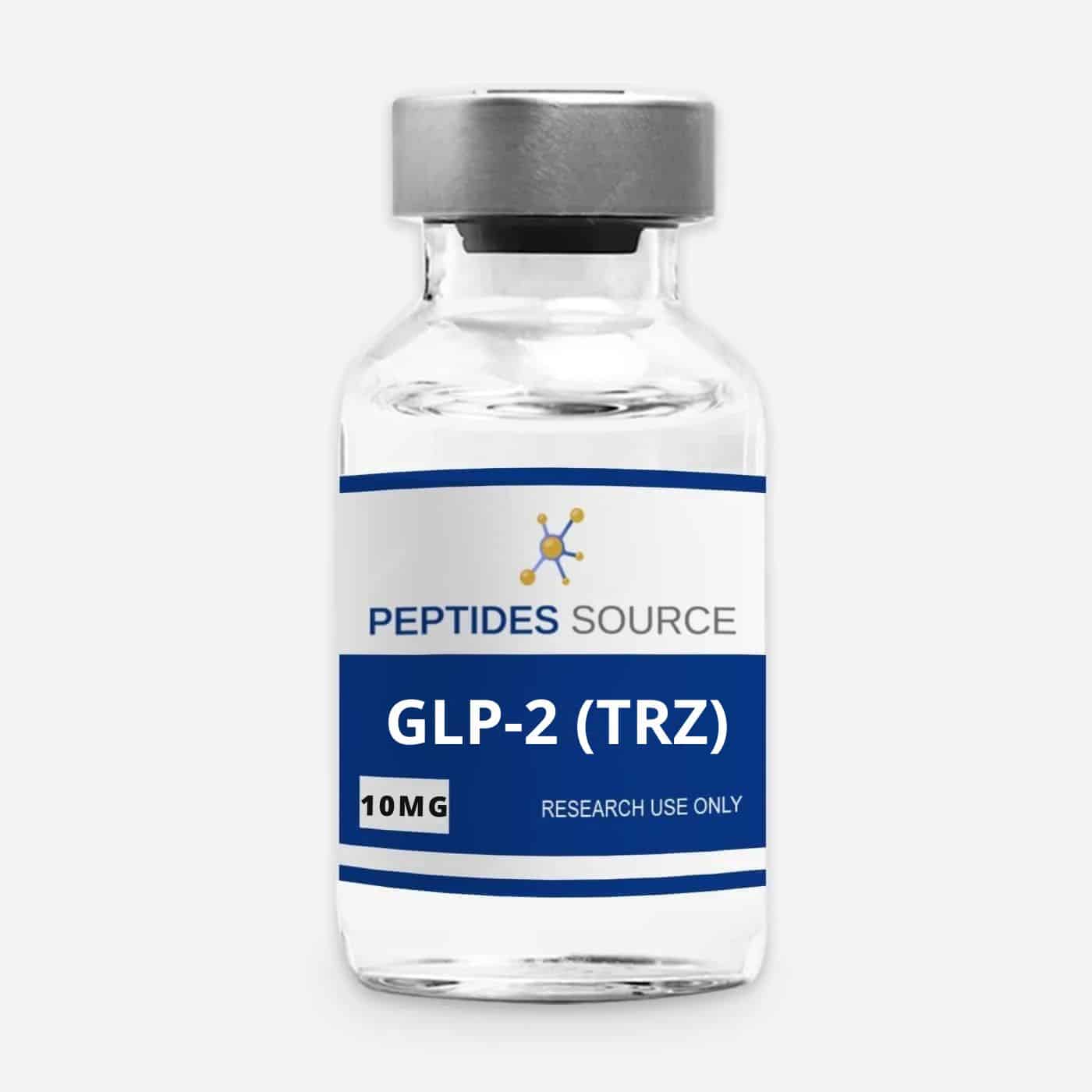
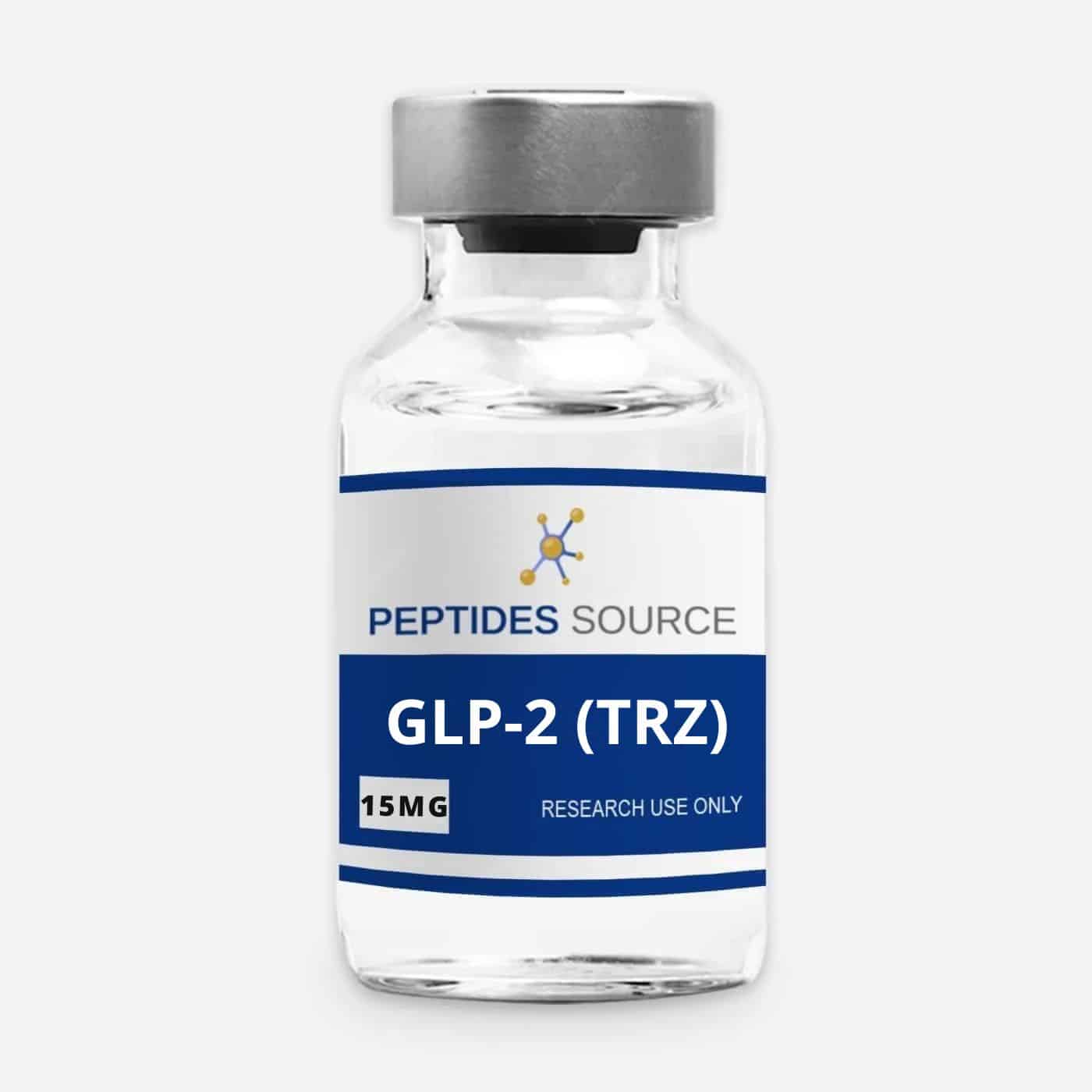
Typical applications include comparative receptor-signalling studies alongside single-agonist (GLP-1 (SMA)) and dual-agonist (GLP-2 (TRZ)) research peptides and amylin analogs such as Cagrilintide, plus metabolic-pathway model work. Browse the full metabolic & incretin research range for related material.
Protocol & Handling
This is a lyophilized (freeze-dried) vial. Reconstitute in the laboratory before study using a suitable diluent such as bacteriostatic water. Store the sealed vial frozen; keep reconstituted material refrigerated and protected from light. Handle only in a controlled laboratory setting. For research use only, not for human or veterinary use or consumption.
Technical data
- Compound
- GLP-3 (RTA), a triple GLP-1/GIP/glucagon receptor agonist research peptide
- Format
- lyophilized vial
- Strength
- 10mg
- Purity
- ≥98% by HPLC, certificate of analysis available
- Origin
- USA-made, third-party tested
- Research target
- GLP-1, GIP and glucagon receptors
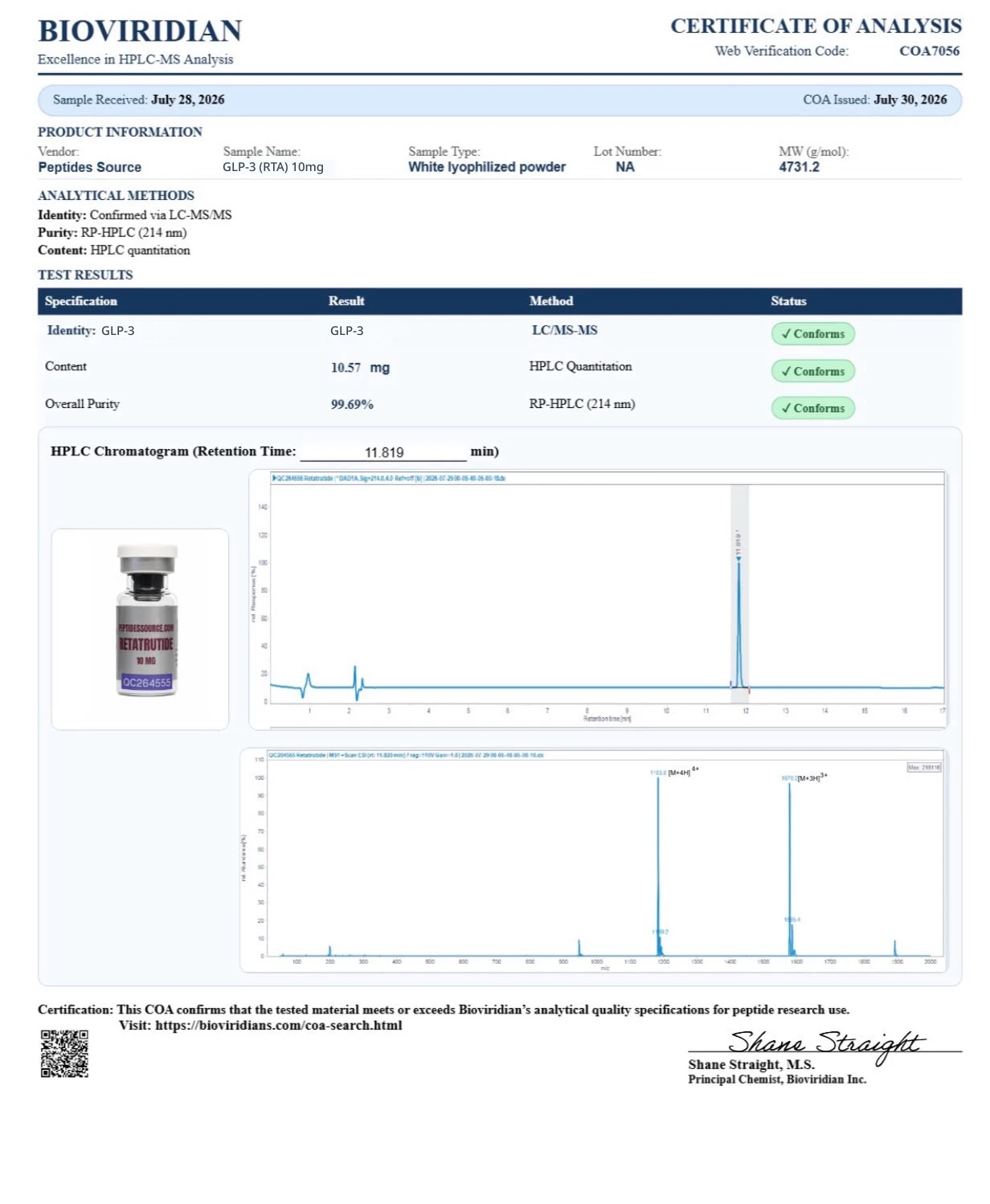
Certificate of analysis & safety data
Lot-matched documentation for this compound. Each certificate records identity, purity and analytical results for the batch named on it.
Frequently asked questions
What is GLP-3 (RTA)?
GLP-3 (RTA) is a single-molecule incretin research peptide that is active at three receptors: the GLP-1, GIP and glucagon receptors. It is supplied strictly for laboratory research use.
How does GLP-3 (RTA) work in research models?
In preclinical systems it acts as an agonist at the GLP-1, GIP and glucagon receptors simultaneously, so researchers use it as a tool compound to study combined multi-receptor incretin signalling. This describes a research mechanism only, not an effect in humans.
How is GLP-3 (RTA) different from GLP-1 and GLP-2 research peptides?
GLP-1 research peptides such as GLP-1 (SMA) act mainly at the GLP-1 receptor and GLP-2 (dual) peptides such as GLP-2 (TRZ) act at two receptors; GLP-3 (RTA) engages three receptors, which is why the three are often compared side by side in receptor-signalling research.
What format is this listing?
This listing is the 10mg lyophilized vial. GLP-3 (RTA) is stocked in a range of strengths, all linked in the specifications above.
Does GLP-3 (RTA) need to be reconstituted?
Yes. It is a lyophilized (freeze-dried) vial and is reconstituted in the laboratory before study using a suitable diluent such as bacteriostatic water.
What purity is GLP-3 (RTA) tested to?
Each batch is tested to at least 98% purity by HPLC and ships with a certificate of analysis (COA). It is USA-made and independently third-party verified.
What is GLP-3 (RTA) studied alongside?
It is frequently studied alongside single- and dual-incretin research peptides and amylin analogs such as Cagrilintide in comparative receptor-signalling and metabolic-pathway research.
Is GLP-3 (RTA) intended for human use?
No. It is sold strictly for laboratory and research use only, and is not for human or veterinary use, consumption, diagnosis or treatment.
Research use only
GLP-3 (RTA) 10mg is supplied strictly as a research chemical for laboratory use. It is not for human or veterinary use or consumption, is not a drug, food or supplement, and is not approved by the U.S. Food and Drug Administration for any purpose.
Handle only in a controlled laboratory setting, by qualified personnel, in accordance with applicable law and good laboratory practice.