

DISCLAIMER
FOR RESEARCH USE ONLY The content in this article is for educational and informational purposes only, based on published scientific literature. The compounds discussed are not FDA-approved for human or veterinary use and are strictly intended for in-vitro laboratory research by qualified professionals. Peptides Source does not endorse or support the use of these compounds outside of a controlled research environment. Nothing in this article constitutes medical advice. Among the research peptides generating sustained scientific interest in recent years, BPC-157 stands out for both the breadth of its preclinical investigation and the volume of published literature it has accumulated. First identified as a component of human gastric juice, this synthetic pentadecapeptide has been the subject of more than 500 published studies since the early 1990s, spanning research models in musculoskeletal biology, gastrointestinal science, vascular biology, and neuroscience. A 2025 systematic review conducted by researchers at Case Western Reserve University School of Medicine – one of the most comprehensive analyses of BPC-157 to date – screened 544 articles published between 1993 and 2024, identifying consistent patterns of activity across multiple preclinical research domains. This breadth of investigation makes BPC-157 one of the most extensively studied synthetic peptides in the research-use-only space, and a compound of considerable interest to laboratories investigating tissue repair, mucosal biology, and vascular remodeling. This article provides an overview of BPC-157’s molecular profile, the principal research domains in which it has been studied, key findings from the preclinical literature, and considerations relevant to laboratory handling and sourcing. All information is presented strictly within an educational and research context. BPC-157 is not approved for therapeutic or clinical application, and all studies referenced involve preclinical or in-vitro models only.
Key Takeaways
- BPC-157 is a synthetic 15-amino acid pentadecapeptide derived from a protective protein found in human gastric juice, produced via solid-phase peptide synthesis and supplied in lyophilized powder form for research use.
- More than 500 preclinical studies have examined BPC-157 across musculoskeletal, gastrointestinal, vascular, and neurological research models, making it the most extensively published non-GLP research peptide in the current literature.
- Key signaling pathways investigated in BPC-157 research include VEGFR2-mediated angiogenesis, Akt-eNOS nitric oxide synthesis, and ERK1/2-associated cell proliferation and repair mechanisms.
- The existing evidence base is almost entirely preclinical – with only a small number of limited human studies conducted to date – a critical distinction for researchers contextualizing their work against the published literature.
- Research-grade BPC-157 should meet a minimum purity threshold of 98% and be accompanied by batch-specific HPLC-verified Certificates of Analysis to ensure experimental reliability and data integrity.
Molecular Profile
BPC-157 is a synthetic pentadecapeptide – a chain of 15 amino acids – with the following sequence: Gly-Glu-Pro-Pro-Pro-Gly-Lys-Pro-Ala-Asp-Asp-Ala-Gly-Leu-Val It carries the CAS registry number 137525-51-0 and the molecular formula C₆₂H₉₈N₁₆O₂₂, with a molecular weight of approximately 1,419.5 Da. The compound is derived from a naturally occurring protective protein found in human gastric juice, where it is understood to play a role in mucosal integrity and gastrointestinal homeostasis. The synthetic form used in research reproduces a specific amino acid sequence from this larger protein, enabling controlled laboratory investigation of its biological activity in isolation. BPC-157 is produced via solid-phase peptide synthesis (SPPS), the standard method for synthesizing research-grade peptides of this length and complexity. Supplied in lyophilized powder form, the compound is stable at room temperature for short durations, though long-term storage requires refrigeration or freezing at −20°C to maintain structural integrity. It is reconstituted for use with a suitable research diluent or a suitable research diluent depending on the research protocol in question. One structural feature that has drawn scientific attention is BPC-157’s apparent stability in the presence of gastric acid – a property not commonly observed in peptides of this length and one that is consistent with its gastric origin. This characteristic has influenced research into oral delivery models in animal studies, though the precise mechanisms governing its stability remain an active area of investigation.
Research Domains and Preclinical Literature
Musculoskeletal and Tissue Repair Research
The musculoskeletal research domain represents the most extensively documented area of BPC-157 preclinical investigation. Studies conducted primarily in rodent models have examined the compound across research models involving tendon healing, ligament repair, muscle injury, and bone repair. The 2025 systematic review by Vasireddi and colleagues at Case Western Reserve University – encompassing 35 preclinical studies – found that BPC-157 was associated with improved functional, structural, and biomechanical outcomes across multiple musculoskeletal tissue types in animal models. These included models examining Achilles tendon rupture, medial collateral ligament transection, segmental bone defects, and skeletal muscle crush injury. Mechanistically, studies have investigated BPC-157’s involvement in the upregulation of growth hormone receptor expression and the modulation of pathways associated with cell proliferation and angiogenesis. A parallel 2025 review published in a musculoskeletal medicine journal characterized BPC-157 as activating overlapping signaling pathways, with particular attention to VEGFR2-mediated angiogenesis and nitric oxide synthesis via the Akt-eNOS axis – processes associated in the broader literature with fibroblast activity, endothelial repair, and vascular remodeling. These mechanistic observations have informed BPC-157’s use as a research tool in tissue repair research models, where understanding the interplay between vascular remodeling and structural recovery remains an active area of inquiry. Inflammatory cytokine modulation has also featured prominently across this body of work. Multiple studies have examined BPC-157’s involvement in reducing pro-inflammatory markers in animal injury models, though the specific mechanisms and their translational relevance to human physiology remain subjects of ongoing preclinical investigation.
Gastrointestinal Research
Given its origin as a gastric peptide, BPC-157’s investigation in gastrointestinal research models is well-established and arguably the most scientifically grounded area of its preclinical literature. A 2025 systematic review presented at the American College of Gastroenterology examined 36 studies spanning research into inflammatory bowel models, gastric ulcer models, NSAID-induced mucosal injury, gastrointestinal fistula models, and intestinal anastomosis healing. In these preclinical models, BPC-157 has been associated with protective effects on gastrointestinal epithelium – including mucosal integrity maintenance and cytoprotective activity in chemically induced injury models. Research has examined both oral and parenteral administration routes in animal studies, with investigators noting biological activity across both contexts, suggesting systemic rather than purely local mechanisms of action. One area of particular interest in the gastrointestinal literature is the compound’s apparent activity in NSAID-induced gastric damage models, where preclinical studies have investigated its role in preserving mucosal architecture against chemically induced injury. These findings have contributed to BPC-157’s use as a research tool for studying mucosal protection mechanisms in controlled laboratory settings.
Vascular and Angiogenic Research
Angiogenesis – the formation of new blood vessels from existing vasculature – represents a third significant domain of BPC-157 preclinical investigation. Studies have examined the compound’s involvement in VEGF signaling pathways, endothelial cell migration and behavior, and microvascular dynamics across various tissue models. Research into BPC-157’s vascular effects has been particularly relevant to tissue repair research, given the critical role of vascularization in wound healing and tissue regeneration processes. Studies in cell culture models have examined endothelial migration and tube formation, while in-vivo rodent models have investigated vascular remodeling endpoints in injury contexts. ERK1/2 signaling – a pathway involved in cell proliferation and survival – has also been identified in the BPC-157 literature as a mechanism under investigation in the context of endothelial and muscle cell repair.
Neurological Research Models
A smaller but growing body of preclinical literature has investigated BPC-157 in neurological research contexts. Studies have examined the compound in models of central and peripheral nerve injury, spinal cord damage, and neurochemical disruption. Neuroprotective observations have been recorded in animal models involving oxidative stress and ischemia-reperfusion injury, though as with other research domains, these findings are confined to preclinical contexts and do not establish clinical relevance. Research has also examined BPC-157 in models of dopaminergic and serotonergic disruption, with some investigators exploring its potential as a research tool for studying neurotransmitter system dynamics through peripheral administration protocols. The compound’s apparent systemic activity profile has made it of interest to researchers studying CNS-relevant pathways in animal models.
Current State of the Literature: Preclinical vs. Clinical Evidence
A critical consideration for any researcher working with BPC-157 is the significant gap between the preclinical evidence base and clinical validation. The overwhelming majority of published BPC-157 research – including the 544 studies identified in the 2025 Case Western systematic review – has been conducted in animal models, primarily rodents. Translation from preclinical animal models to human clinical applications is inherently uncertain, and BPC-157 has not been evaluated or approved by the FDA for any therapeutic indication. As of early 2026, only a small number of limited human studies have been conducted, none of which are sufficient to draw meaningful conclusions about efficacy or safety in clinical contexts. These include a small retrospective study examining intraarticular administration for knee pain, a pilot study in interstitial cystitis, and a two-participant intravenous safety study published in 2025. The preclinical literature, while substantial, reflects a research compound at an early stage of scientific investigation – not a characterized therapeutic agent. It is also worth noting that a significant proportion of early BPC-157 research originated from a single institutional network at the University of Zagreb in Croatia. While this body of work appears methodologically rigorous, the concentration of research activity from one institution is a limitation the scientific community has begun to address – the 2025 systematic reviews from Case Western Reserve and other independent institutions representing an important step toward broader replication and validation.
Research Applications and Experimental Considerations
BPC-157 is employed across a range of in-vitro and in-vivo preclinical research applications. Common experimental contexts documented in the literature include: In-vitro models: Cell culture studies examining fibroblast migration and proliferation, endothelial tube formation, cytokine expression profiling, and oxidative stress marker assessment in treated cell lines. In-vivo rodent models: Surgical injury models (tendon transection, ligament injury, bone defect), chemical injury models (NSAID-induced gastric damage, ethanol-induced tissue injury), and neurological disruption models using pharmacological agents. Mechanistic pathway studies: Research examining VEGFR2, Akt-eNOS, ERK1/2, and nitric oxide signaling in the context of tissue repair and vascular biology. Researchers designing studies with BPC-157 should consult the primary literature for protocol-specific guidance on concentration ranges used in relevant model types, administration route selection, and endpoint measurement methodology.
Handling, Storage, and Quality Considerations
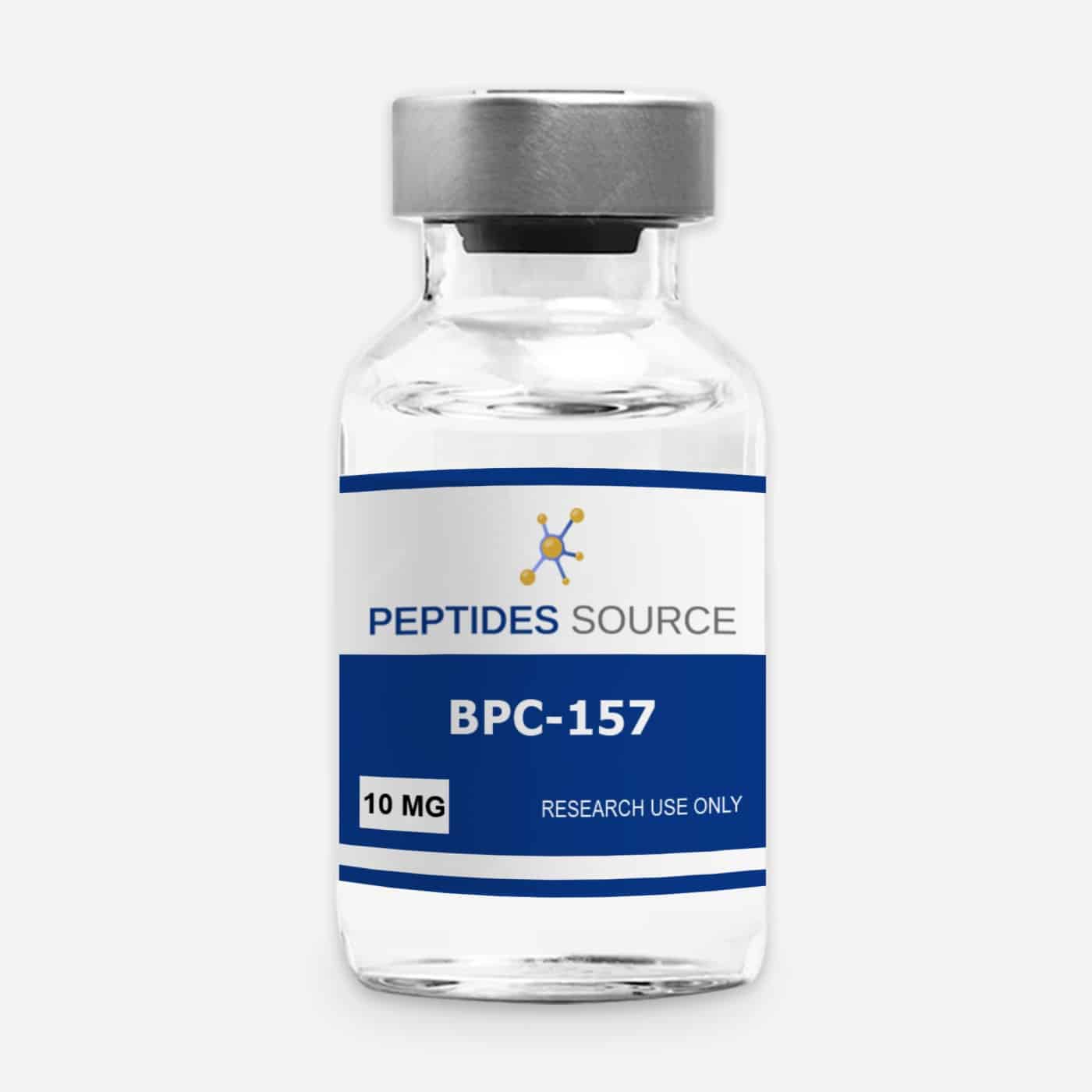
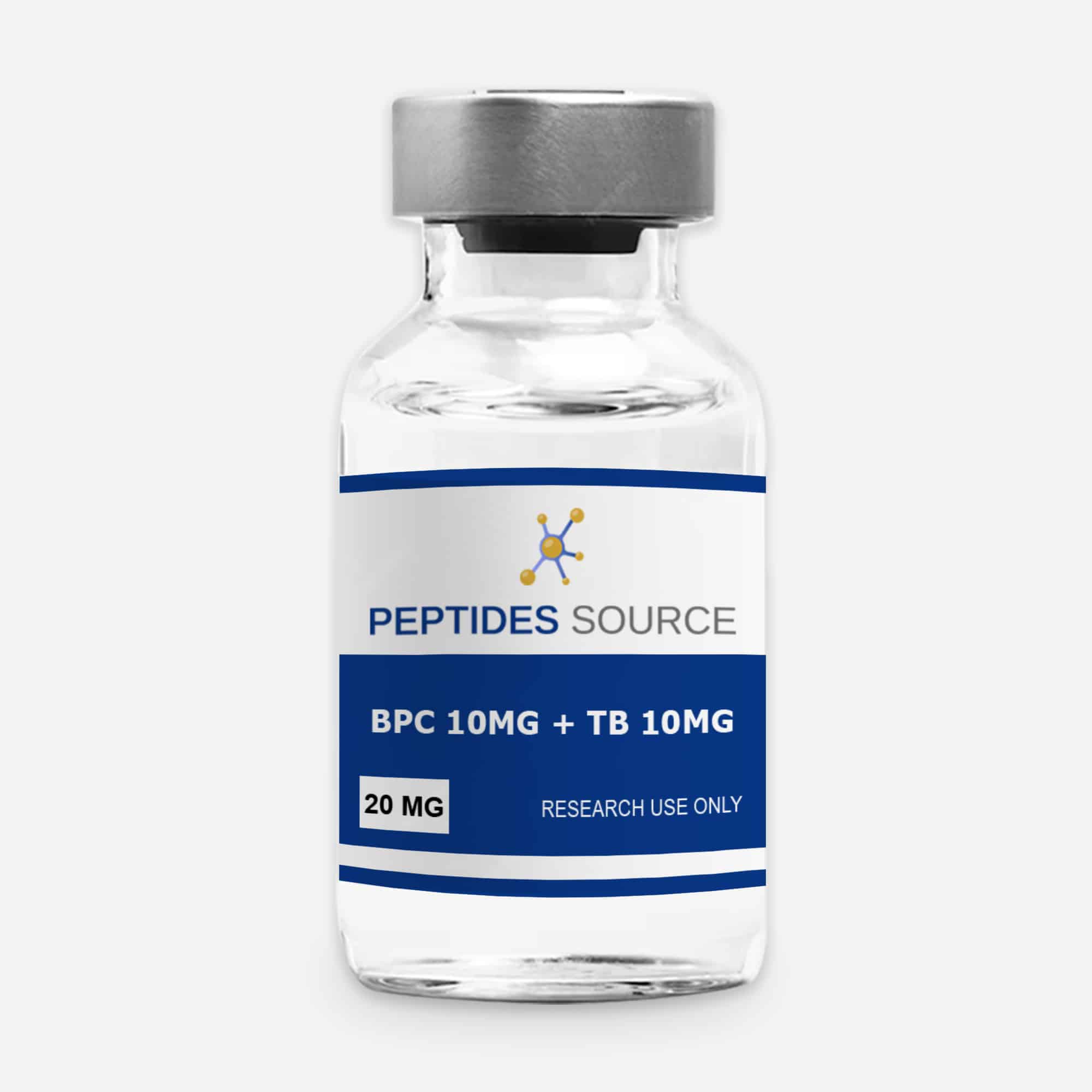
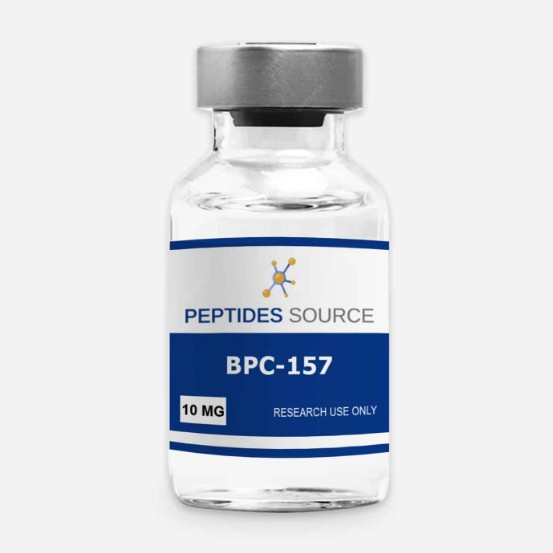
BPC-157 for research use is supplied in lyophilized powder form, which offers significantly greater stability than reconstituted solutions. Key considerations for laboratory handling include: Storage temperature: Lyophilized BPC-157 should be stored at −20°C for long-term preservation. Repeated freeze-thaw cycles degrade peptide integrity and should be avoided by aliquoting stock solutions prior to initial use. Reconstitution: a suitable research diluent is the standard reconstitution solvent for BPC-157 in research settings. a suitable research diluent may be used depending on specific protocol requirements. Reconstituted solutions should be stored at 4°C and used within the timeframe specified by the supplier’s documentation. Light sensitivity: As with many peptides, BPC-157 should be protected from prolonged exposure to light, which can contribute to structural degradation over time. Purity and sourcing: For research integrity, BPC-157 should be sourced from a supplier that provides batch-specific Certificates of Analysis (COAs) with HPLC purity data. Research-grade BPC-157 should meet a minimum purity threshold of 98% to ensure experimental reliability. Impurities in peptide research materials are not passive contaminants – they can bind to targets, alter dose-response curves, and introduce experimental confounds that are difficult to identify without transparent analytical documentation. Peptides Source supplies BPC-157 in multiple research formats – including 5mg vials, 10mg vials, capsule and tablet forms, a BPC-157 with Arginine variant, and the BPC-157/TB-500 blend – manufactured through GMP-certified, WHO/ISO 9001:2008 approved facilities, with 99% purity standards and third-party testing documentation provided for each batch.
BPC-157 in the Research Laboratory: Where the Science Stands
BPC-157 represents one of the most comprehensively studied synthetic research peptides currently available, with a preclinical literature spanning more than three decades and multiple biological research domains. Its investigation across musculoskeletal repair, gastrointestinal biology, vascular research, and neuroscience reflects a compound of broad scientific interest – even as the gap between preclinical findings and clinical validation remains substantial and important to acknowledge. For laboratory researchers seeking a well-characterized research tool with an extensive published reference base and multiple mechanistic pathways under active investigation, BPC-157 offers considerable scientific context and a growing body of literature to inform experimental design. Researchers interested in exploring related compounds in the tissue repair research space may also find the TB-500 (Thymosin Beta-4) literature of interest, particularly given the complementary mechanistic profiles of these two peptides in preclinical healing and vascular remodeling research. Peptides Source supplies both compounds individually as well as in the BPC-157/TB-500 blend format.
References
- Vasireddi N, Hahamyan H, Salata MJ, et al. Emerging Use of BPC-157 in Orthopaedic Sports Medicine: A Systematic Review. Sports Health. 2025.
- Jozwiak AA, et al. Multifunctionality and Possible Medical Application of the BPC 157 Peptide — Literature and Patent Review. Pharmaceuticals. 2025;18(2):185.
- American College of Gastroenterology. Oral Peptide BPC-157 — An Emerging Adjunct to Gastrointestinal Research. American Journal of Gastroenterology. 2025;120(10S2):S174.
- Lee E, Burgess J. Intravenous BPC-157 Safety Pilot Study. 2025.