

DISCLAIMER
FOR RESEARCH USE ONLY The content in this article is for educational and informational purposes only, based on published scientific literature. The compounds discussed are not FDA-approved for human or veterinary use except where explicitly noted within a specific, narrow clinical indication. Peptides Source does not endorse or support the use of these compounds outside of a controlled research environment. Nothing in this article constitutes medical advice.
Among the growth hormone-releasing hormone analogs studied in preclinical and clinical research settings, Tesamorelin occupies a distinctive position. It is the only GHRH analog with an active FDA approval – indicated specifically and narrowly for the reduction of excess abdominal fat in HIV-infected adults with lipodystrophy – a clinical history that provides a uniquely well-documented pharmacological and safety reference point for researchers working with this compound class.
Tesamorelin was developed by Theratechnologies, a Canadian biopharmaceutical company, and received FDA approval in 2010 under the brand name Egrifta, with a subsequent improved formulation approved as Egrifta WR. Its development pathway – involving pivotal Phase III clinical trials, a comprehensive pharmacokinetic characterization program, and post-approval research into additional applications – has generated a more substantial clinical evidence base than is available for most research-use peptides in the GH axis category.
This clinical history makes Tesamorelin a particularly valuable research tool: the extensive pharmacokinetic and pharmacodynamic data accumulated through its clinical program informs experimental design for researchers studying GHRH receptor signaling, GH pulsatility dynamics, IGF-1 axis modulation, and metabolic pathway research more broadly. This article provides a comprehensive research overview of Tesamorelin – covering its molecular profile, mechanism of action, the clinical research program that characterizes its pharmacology, emerging areas of scientific interest, and considerations for laboratory use.
All content is presented strictly within an educational and research context. Tesamorelin’s FDA approval is specific to a single narrow clinical indication and does not constitute general approval for human therapeutic use. Research-use Tesamorelin is not an approved drug for any use beyond its specific labeled indication, and all preclinical and off-label research findings should be understood as investigational data only.
Key Takeaways
- Tesamorelin is a 44-amino acid synthetic GHRH analog with a trans-3-hexenoic acid N-terminal modification that confers resistance to DPP-IV enzymatic degradation – extending its plasma half-life significantly compared to native GHRH while preserving the complete endogenous GHRH receptor binding sequence.
- Its mechanism of action involves selective GHRH receptor activation on anterior pituitary somatotrophs, stimulating GH synthesis and release through a cAMP/PKA signaling cascade that preserves physiological GH pulse architecture and IGF-1 negative feedback – distinguishing it from exogenous GH administration.
- FDA approval for HIV-associated lipodystrophy provides an established clinical reference base, with five RCTs and a 2025 meta-analysis documenting significant visceral adipose tissue reduction, lean body mass increase, and hepatic fat improvement in this defined patient population.
- Beyond the approved indication, research interest has expanded into hepatic steatosis biology, cognitive function research via IGF-1 neuroprotective pathways, and combination GH axis protocols pairing Tesamorelin with GH secretagogues such as Ipamorelin.
- All research-use Tesamorelin is for in-vitro and preclinical laboratory use only – its FDA approval applies exclusively to a specific clinical indication and does not constitute general approval for human therapeutic application.
Molecular Profile and Structural Chemistry
The Full GHRH Sequence Approach
Tesamorelin is composed of the complete 44-amino acid sequence of endogenous human GHRH(1-44), with a single critical structural modification at the N-terminus. This distinguishes it from truncated GHRH analogs such as Sermorelin (which uses only the first 29 amino acids) and MOD GRF 1-29 (a stabilized 29-amino acid fragment), which rely on shortened sequences to improve stability. Tesamorelin preserves the complete native GHRH sequence – a design choice that maintains the full receptor binding domain while addressing the primary mechanism of GHRH degradation through a targeted chemical modification.
The complete amino acid sequence of Tesamorelin is: Tyr-D-Ala-Asp-Ala-Ile-Phe-Thr-Asn-Ser-Tyr-Arg-Lys-Val-Leu-Gly-Gln-Leu-Ser-Ala-Arg-Lys-Leu-Leu-Gln-Asp-Ile-Met-Ser-Arg-Gln-Gln-Gly-Gly-Ser-Asn-Gln-Glu-Arg-Gly-Ala-Arg-Ala-Gln
The compound has a molecular weight of approximately 5,135 Da when the N-terminal modification is included.
The DPP-IV Resistance Modification
The structural innovation central to Tesamorelin’s pharmacology is the conjugation of a trans-3-hexenoic acid group to the N-terminal tyrosine residue. This modification targets the primary enzymatic pathway responsible for native GHRH degradation: dipeptidyl peptidase IV (DPP-IV), a serine protease that cleaves the Ala-Asp dipeptide bond at positions 2-3 of the GHRH sequence, rapidly inactivating native GHRH in plasma.
By protecting the N-terminus with the trans-3-hexenoyl group, Tesamorelin renders this cleavage site inaccessible to DPP-IV, substantially extending its plasma half-life – documented as 26-38 minutes in human pharmacokinetic studies compared to the minutes-long half-life of native GHRH – without altering the receptor binding properties of the peptide. Importantly, this modification approach differs from the albumin-binding DAC technology used in CJC-1295, which achieves extended half-life through a fundamentally different mechanism and produces a dramatically longer activity window of several days rather than the sub-hour profile of Tesamorelin.
Pharmacokinetic Profile Implications for Research
Tesamorelin’s pharmacokinetic profile – a significantly extended but still relatively short plasma half-life – makes it particularly suitable for research protocols examining GH pulse dynamics over defined experimental periods. Unlike CJC-1295 with DAC, which produces sustained GH elevation lasting days, Tesamorelin’s activity window is more consistent with pulsatile GH release patterns, making it a useful tool for studies examining physiologically relevant GH secretion dynamics rather than sustained, supraphysiological GH elevation.
Mechanism of Action: GHRH Receptor Signaling
Receptor Binding and Signal Transduction
Tesamorelin binds selectively to GHRH receptors (GHRH-R) – G-protein-coupled receptors located on the surface of somatotroph cells in the anterior pituitary gland. Receptor binding activates the Gs alpha subunit, which stimulates adenylate cyclase and elevates intracellular cyclic AMP (cAMP) levels. This cAMP elevation activates protein kinase A (PKA), which phosphorylates transcription factors and ion channels involved in GH gene expression and secretory granule exocytosis.
Concurrent calcium influx and membrane depolarization in somatotroph cells facilitate fusion of GH-containing secretory granules with the plasma membrane, producing pulsatile GH release that broadly mirrors the pattern associated with endogenous GHRH stimulation. This preservation of physiological GH pulsatility is a pharmacologically significant feature that distinguishes GHRH analog research from studies using continuous exogenous GH administration, where pulsatility is lost and IGF-1 feedback suppression may be impaired.
Downstream IGF-1 Signaling
Elevated GH levels following Tesamorelin-induced pituitary stimulation drive hepatic IGF-1 synthesis – a central downstream readout in GH axis research. IGF-1 elevation is associated with multiple tissue-level effects in preclinical research models, including protein synthesis pathway activation, lipid metabolism modulation, and mitochondrial activity changes in target tissues. Critically, GHRH analog-induced IGF-1 elevation preserves the negative feedback architecture of the axis – rising IGF-1 levels suppress both hypothalamic GHRH release and pituitary GH secretion, maintaining a degree of endocrine regulation absent from direct exogenous GH administration.
Selectivity Profile
Preclinical studies have documented Tesamorelin’s high selectivity for the GHRH receptor pathway, with studies reporting less than 3% concurrent effect on cortisol, prolactin, or ACTH levels at research concentrations – a profile consistent with other GHRH analogs and contrasting with the less selective GH secretagogues such as GHRP-2 and GHRP-6. This selectivity makes Tesamorelin a clean research tool for studies requiring specific GHRH receptor pathway activation without confounding hormonal responses.
Clinical Research Program: The Evidence Base
The HIV Lipodystrophy Clinical Program
Tesamorelin’s clinical development program – motivated by the observation that HIV-infected patients on antiretroviral therapy develop GH deficiency associated with central fat accumulation – produced a series of randomized controlled trials that constitute the most comprehensive clinical pharmacology dataset available for any research-use GHRH analog. The pivotal Phase III trials (LIPO-010 and CTR-1011) enrolled 806 HIV-infected patients with excess abdominal fat, establishing Tesamorelin’s efficacy for visceral adipose tissue reduction and supporting its 2010 FDA approval.
A 2025 meta-analysis published in ScienceDirect – incorporating five RCTs evaluating Tesamorelin versus placebo in HIV-infected adults – found significant visceral adipose tissue reduction (mean difference −27.71 cm², 95% CI [−38.37, −17.06]; P < 0.001) and significant lean body mass increase (mean difference +1.42 kg, 95% CI [1.13, 1.71]; P < 0.001) in Tesamorelin-treated subjects, alongside improvements in hepatic fat and IGF-1 levels. No significant changes in CD4+ T-cell counts were observed, and the adverse event profile was characterized by arthralgia, myalgia, paresthesia, and preparation-site reactions – with no serious cardiovascular or immunological events associated with the treatment.
Hepatic Steatosis Research: The GILT Trial
Beyond visceral adipose tissue reduction, research interest has expanded into Tesamorelin’s effects on hepatic fat content – an area of growing clinical relevance given the high prevalence of hepatic steatosis in HIV-infected populations on antiretroviral therapy. The GILT trial (Growth Hormone in NAFLD and Lipodystrophy Trial), published in Lancet HIV, examined Tesamorelin’s effects on hepatic fat in HIV-infected patients and documented significant reductions in hepatic steatosis alongside the expected visceral fat and metabolic parameter changes. This finding has broadened scientific interest in GHRH receptor agonism as a research model for studying the relationship between GH axis activity and hepatic lipid metabolism.
Cognitive Function Research: An Emerging Area
A further area of emerging research interest concerns Tesamorelin’s potential effects on cognitive function – a research direction driven by the established relationship between IGF-1 signaling and neuroprotective mechanisms in the central nervous system. Preclinical and early clinical studies have investigated whether GH axis stimulation via Tesamorelin administration is associated with changes in cognitive performance measures, with IGF-1-mediated neuroprotection hypothesized as the primary mechanistic pathway of interest.
This research direction remains at an early stage – findings are preliminary, study populations have been limited, and the mechanistic pathway from GHRH receptor activation to neuroprotective outcomes has not been fully characterized in clinical research settings. However, it represents one of the most scientifically interesting areas of emerging Tesamorelin investigation beyond its established clinical indication.
Research Context and Clinical Boundaries
What the Clinical Program Does and Does Not Establish
Tesamorelin’s extensive clinical record provides a well-characterized pharmacological and safety reference point that is genuinely valuable for research design – but it is essential to understand what this clinical program establishes and what it does not. The FDA approval for HIV lipodystrophy establishes efficacy and safety in a specific, well-defined patient population with a clearly characterized metabolic phenotype. It does not establish efficacy or safety for any other indication, population, or research context.
Research interest in Tesamorelin for hepatic steatosis, cognitive function, general metabolic research, and age-related GH axis decline is driven by mechanistic hypotheses informed by the clinical program – not by established clinical evidence in these domains. Researchers designing studies in these areas are working at the investigational frontier of the science, not applying clinically validated knowledge.
The Research-Use vs. Clinical-Use Distinction
Research-use Tesamorelin – supplied by companies such as Peptides Source for in-vitro and preclinical laboratory investigation – is not the pharmaceutical product Egrifta. It is a research chemical supplied for scientific investigation under Research Use Only conditions. Researchers working with Tesamorelin in laboratory settings are not replicating clinical therapeutic use – they are using the compound as a research tool to investigate GH axis biology, receptor signaling mechanisms, metabolic pathway dynamics, and related research questions in controlled experimental systems.
This distinction is fundamental to appropriate research design, compliance, and publication – and to maintaining the clear boundary between research investigation and clinical application that responsible use of research-grade peptides requires.
Combination Research Protocols: Tesamorelin and Ipamorelin
Scientific Rationale for Dual-Pathway Investigation
One of the most active areas of Tesamorelin research design involves its combination with GH secretagogues – particularly Ipamorelin – in dual-pathway GH axis stimulation protocols. As discussed in the Growth Hormone Axis Research overview, the GHRH receptor pathway (activated by Tesamorelin) and the GHS-R1a receptor pathway (activated by Ipamorelin) are mechanistically distinct and potentially synergistic when simultaneously activated.
Tesamorelin’s selective GHRH receptor activation provides the GH synthesis and pulse amplitude dimension of the combination, while Ipamorelin’s GHS-R1a activation contributes simultaneous somatostatin suppression – reducing the inhibitory brake on GH secretion – alongside additional GH pulse stimulation through a cAMP-independent calcium signaling mechanism. The theoretical result is a GH release profile with greater amplitude than either compound produces independently, while preserving the selectivity advantage associated with both compounds individually.
Available Combination Formats
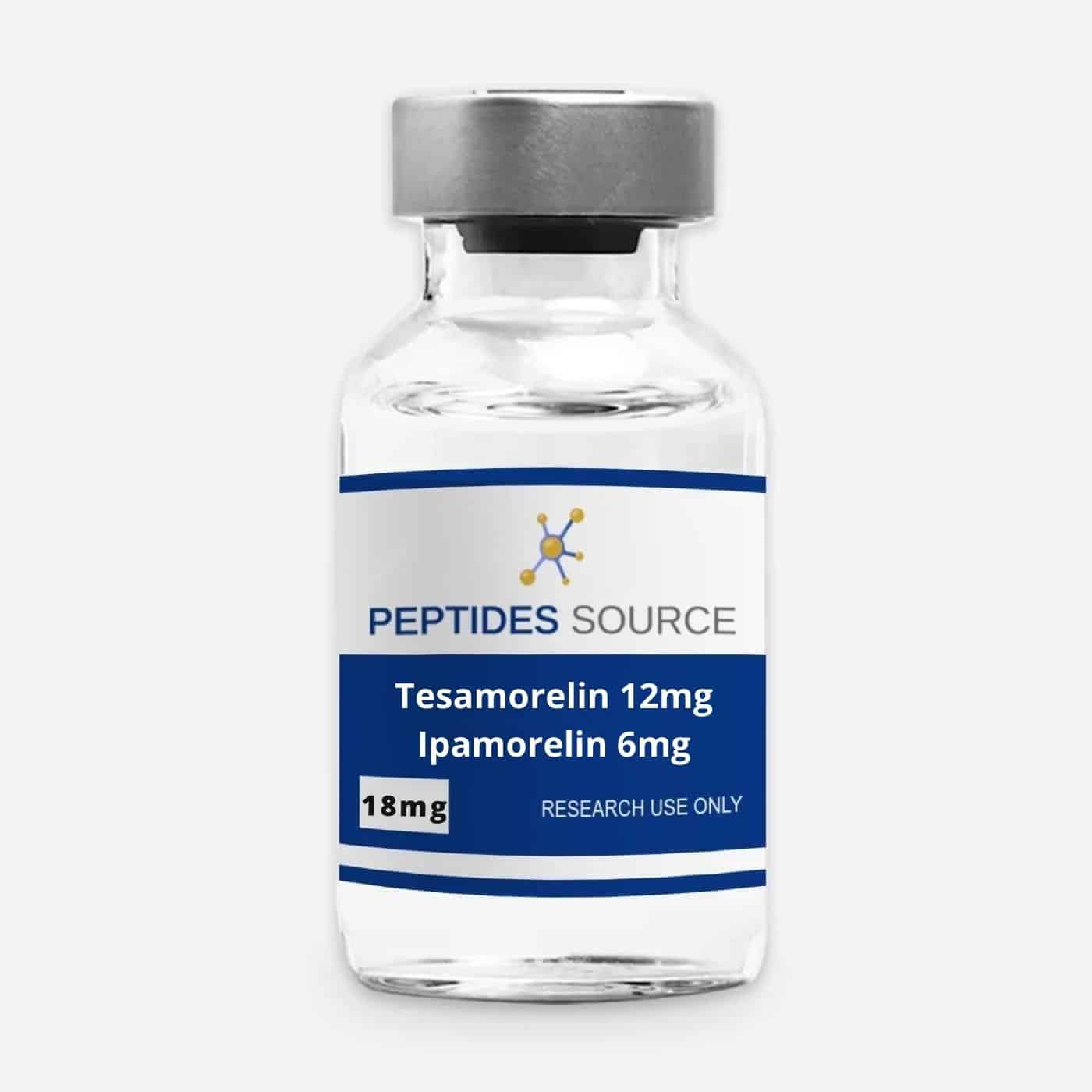
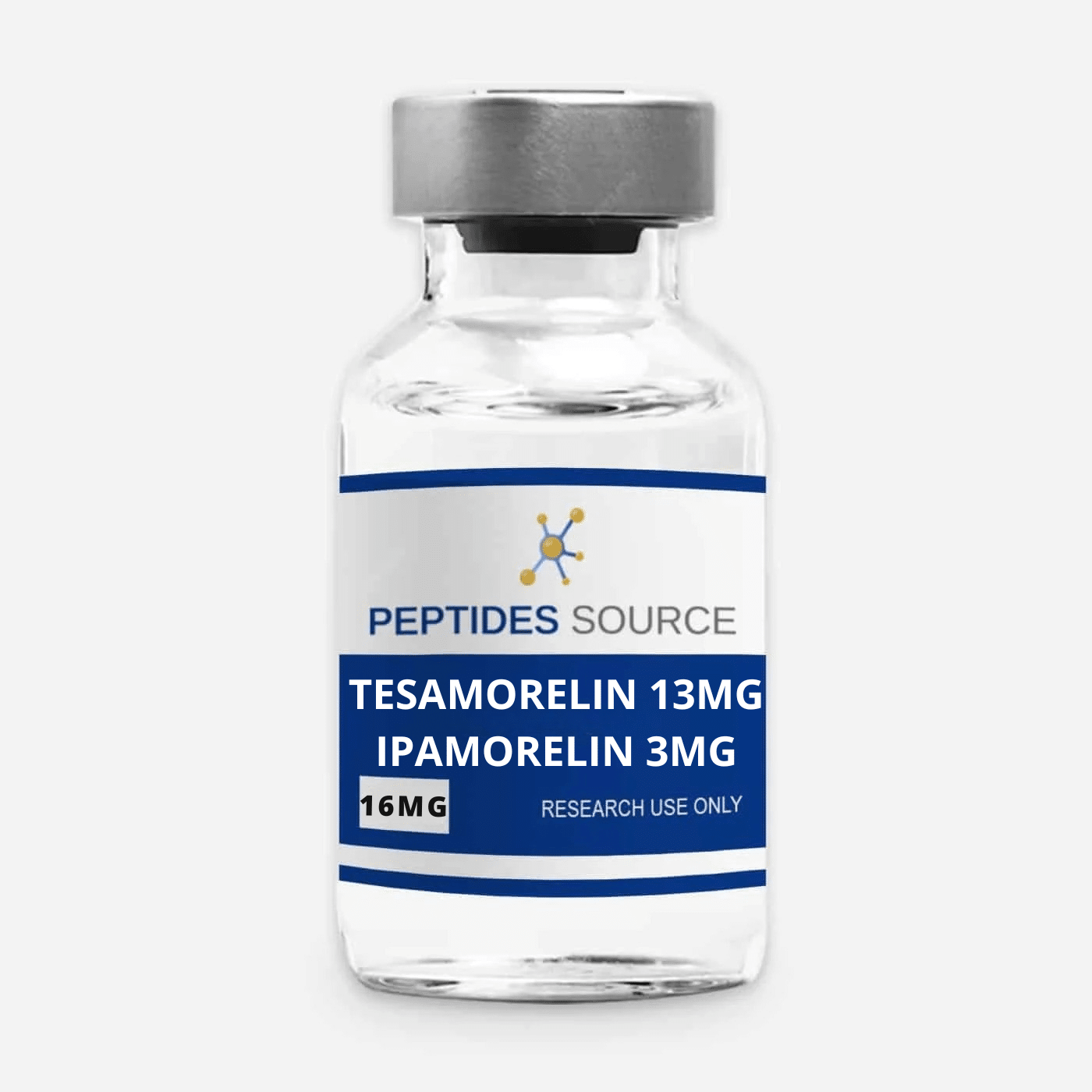
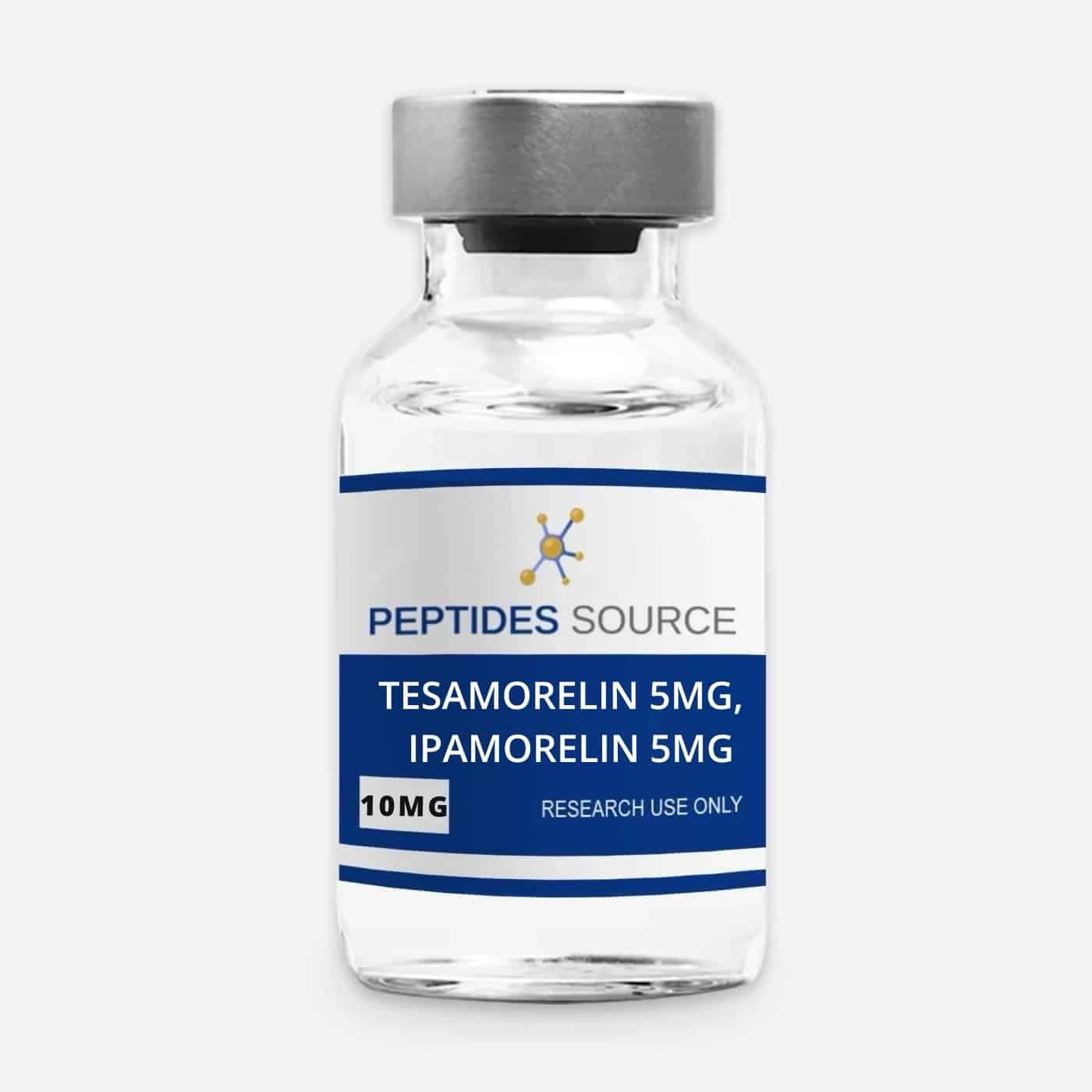
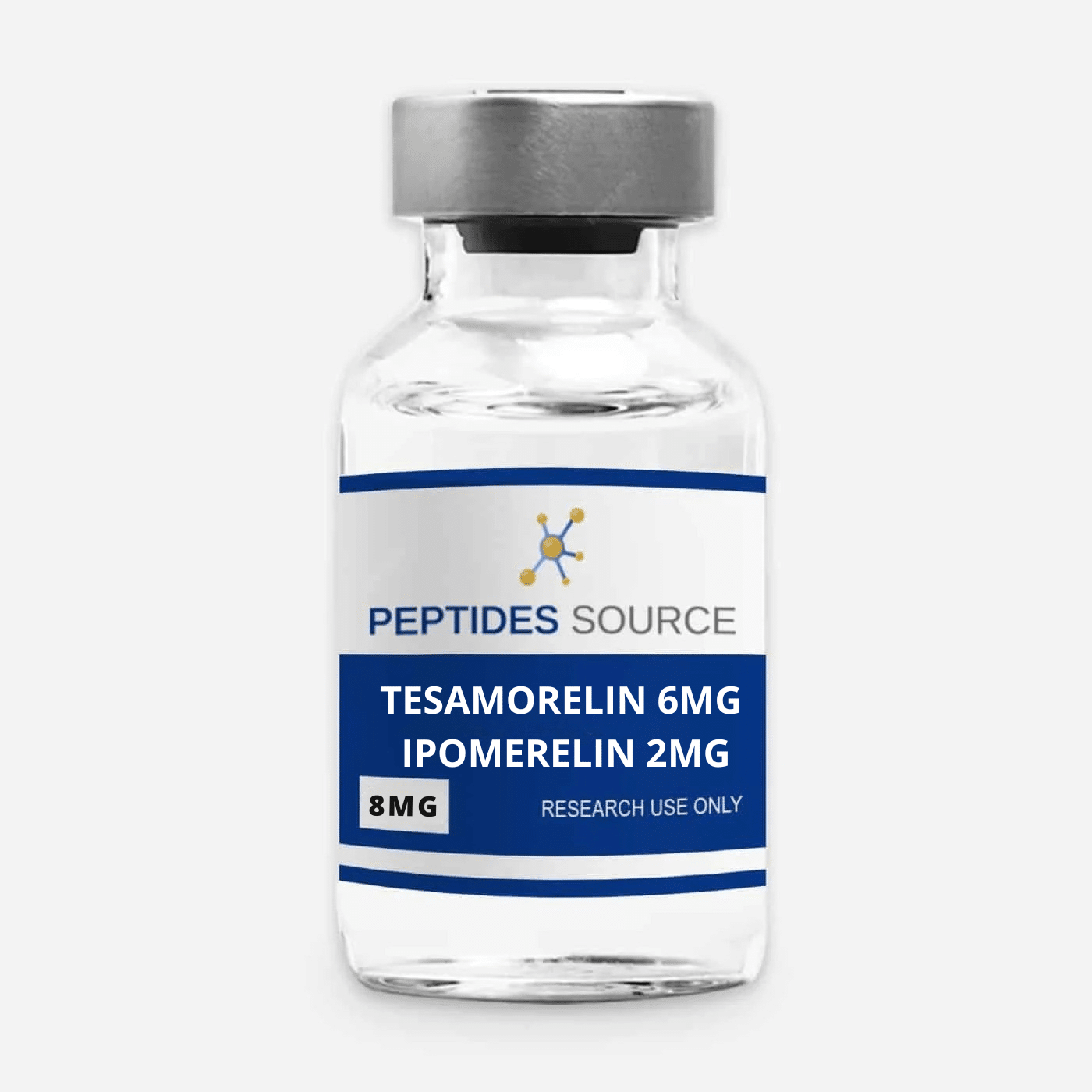
Peptides Source supplies several Tesamorelin/Ipamorelin combination blend formats for researchers designing dual-pathway GH axis studies — including Tesamorelin 5mg/Ipamorelin 5mg (10mg total blend), Tesamorelin 6mg/Ipamorelin 2mg (8mg blend), Tesamorelin 12mg/Ipamorelin 6mg (18mg blend), and Tesamorelin 13mg/Ipamorelin 3mg (16mg blend) – alongside individual compound formats for single-variable protocol designs.
Handling, Storage, and Laboratory Considerations
Storage Requirements
Tesamorelin for research use is supplied in lyophilized powder form. Key storage and handling considerations include:
Long-term storage: Lyophilized Tesamorelin should be stored at -20°C, protected from light and moisture. Under these conditions, stability is maintained for 12-24 months from manufacture date.
Reconstitution: a suitable research diluent is the standard reconstitution solvent. Following reconstitution, solutions should be stored at 2-8°C (refrigerated, not frozen) and used within 14–28 days per supplier documentation.
Freeze-thaw management: Repeated freeze-thaw cycles should be avoided through single-use aliquoting of stock solutions prior to initial reconstitution.
Purity and Documentation Standards
As one of the most pharmacologically complex research peptides in the GH axis category – with a 44-amino acid sequence and N-terminal chemical modification – Tesamorelin demands particularly rigorous purity verification. Batch-specific Certificates of Analysis (COAs) with HPLC purity data and mass spectrometry confirmation are essential for verifying both the purity percentage and the molecular identity of the supplied compound, including confirmation of the N-terminal modification.
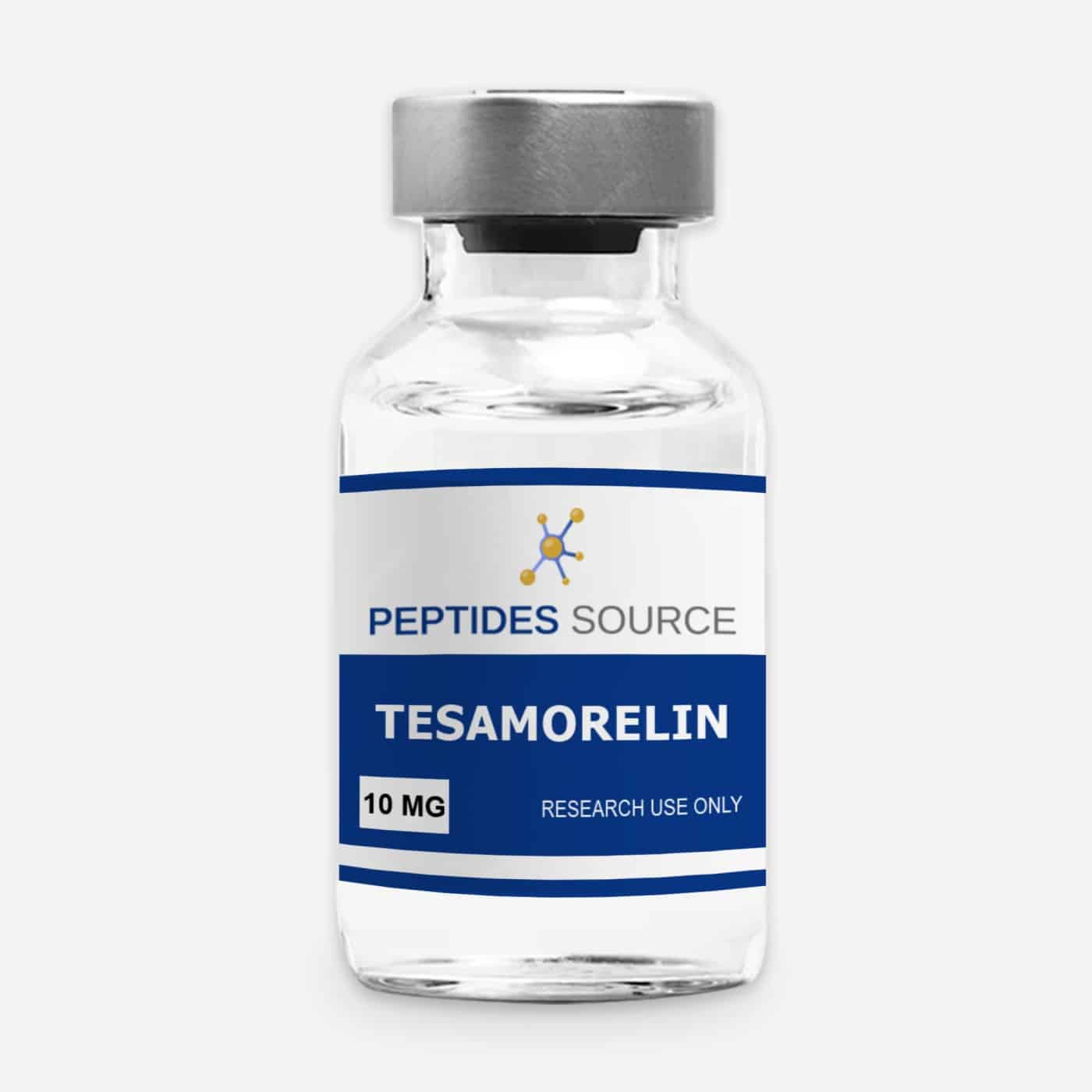
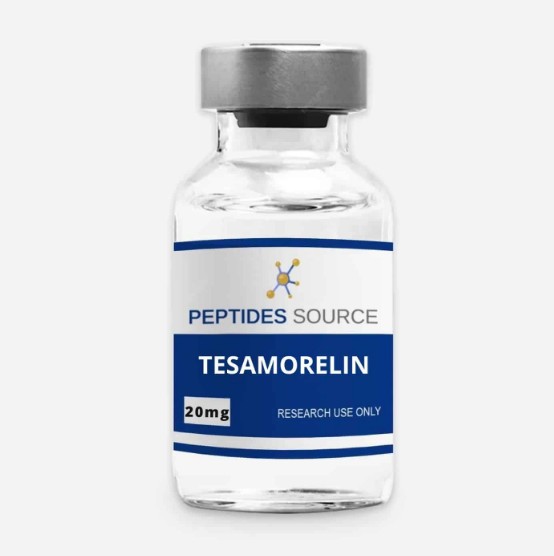
Peptides Source supplies Tesamorelin in 2mg, 5mg, 10mg, and 20mg vial formats, manufactured through GMP-certified, WHO/ISO 9001:2008 approved facilities with 99% purity standards and third-party batch testing documentation.
Tesamorelin in the GH Axis Research Landscape
Among the GHRH analogs and GH secretagogues available for preclinical research, Tesamorelin occupies a unique position – one defined by the depth of its clinical pharmacology record, the structural specificity of its DPP-IV resistance mechanism, and the breadth of emerging research interest extending well beyond its established clinical indication. For researchers investigating GHRH receptor signaling, GH pulsatility dynamics, IGF-1 axis modulation, metabolic pathway research, or the biology of adipose tissue and hepatic lipid metabolism, Tesamorelin provides a research tool with an unusually well-characterized mechanistic and pharmacokinetic profile.
For context on how Tesamorelin fits within the broader growth hormone axis research peptide landscape – including its relationship to other GHRH analogs and GH secretagogues – refer to the Growth Hormone Axis Research category overview in the Peptides Source research blog. For information on its most frequently studied combination partner, see the dedicated Ipamorelin Research Overview.
DISCLAIMER – FOR RESEARCH USE ONLY The content in this article is for educational and informational purposes only, based on published scientific literature. The compounds discussed are not FDA-approved for human or veterinary use except where explicitly noted within a specific, narrow clinical indication. Peptides Source does not endorse or support the use of these compounds outside of a controlled research environment. Nothing in this article constitutes medical advice.
References
- Falutz J, Allas S, Blot K, et al. Metabolic Effects of a Growth Hormone-Releasing Factor in Patients with HIV. New England Journal of Medicine. 2007;357(23):2359–2370.
- Stanley TL, Falutz J, Mamputu JC, et al. Effects of Tesamorelin on Nonalcoholic Fatty Liver Disease in HIV: A Randomized, Double-Blind, Multicentre Trial. Lancet HIV. 2019;6(12):e821–e830.
- Osman BH, et al. Body Composition, Hepatic Fat, Metabolic, and Safety Outcomes of Tesamorelin, a GHRH Analogue, in HIV-Associated Lipodystrophy: A Meta-Analysis of Randomized Controlled Trials. ScienceDirect. 2026.
- Stanley TL, Grinspoon SK. Effects of Growth Hormone-Releasing Hormone on Visceral Fat, Metabolic, and Cardiovascular Indices in Human Studies. Pituitary. 2015;18(3):386–395.
- Montero-Hidalgo AJ, et al. Update on regulation of GHRH and its actions on GH secretion in health and disease. Reviews in Endocrine and Metabolic Disorders. 2025. [Link to PubMed when confirmed]
- U.S. Food and Drug Administration. Egrifta WR (Tesamorelin ) Prescribing Information. 2025.