


DISCLAIMER
FOR RESEARCH USE ONLY The content in this article is for educational and informational purposes only, based on published scientific literature. The compounds discussed are not FDA-approved for human or veterinary use and are strictly intended for in-vitro laboratory research by qualified professionals. Peptides Source does not endorse or support the use of these compounds outside of a controlled research environment. Nothing in this article constitutes medical advice. Tissue repair is one of the most extensively studied domains in modern biomedical research. The biological processes governing wound healing, connective tissue remodeling, vascular regeneration, and inflammatory resolution involve complex, overlapping signaling cascades that researchers continue to investigate using a range of molecular tools – including synthetic research peptides. Among the compounds most actively studied in this context, several have accumulated substantial preclinical literature spanning multiple decades and research institutions. Bioactive peptides and proteins have been investigated for their roles in modulating the tissue microenvironment through mechanisms including reactive oxygen species regulation, angiogenesis promotion, immune cell signaling, and extracellular matrix remodeling. A 2024 review published in Military Medical Research characterized bioactive peptides as promising tools for tissue repair research, noting their multifunctionality, specificity, and capacity to modulate multiple repair-relevant pathways simultaneously. This article provides a category-level overview of the tissue repair research peptide landscape – covering the biological mechanisms under investigation, the principal compounds studied in this space, the current state of preclinical literature, and considerations for laboratory sourcing and research design. All content is presented strictly within an educational and research context. No compound discussed here is approved for therapeutic or clinical application, and all studies referenced involve preclinical or in-vitro models unless explicitly stated otherwise.
Key Takeaways
- Tissue repair research peptides are studied for their roles in modulating angiogenesis, inflammatory cytokine expression, extracellular matrix remodeling, and fibroblast activity – processes central to wound healing and connective tissue recovery in preclinical models.
- BPC-157 and TB-500 (Thymosin Beta-4) are the two most extensively published tissue repair research peptides, with a combined literature spanning hundreds of preclinical studies across musculoskeletal, gastrointestinal, and vascular research models.
- The mechanistic profiles of BPC-157 and TB-500 are studied as complementary rather than redundant – operating through distinct primary pathways that make combined research protocols a subject of growing scientific interest.
- KPV and GHK-Cu represent additional compounds studied in inflammatory pathway modulation and extracellular matrix research respectively, expanding the toolkit available for tissue repair investigation beyond the BPC-157/TB-500 framework.
- The tissue repair peptide literature is almost entirely preclinical- a critical context for researchers designing studies and interpreting outcomes against the published evidence base.
The Biology of Tissue Repair: What Peptide Research Investigates
The Phases of Tissue Repair in Research Models
Tissue repair in biological systems is understood to proceed through broadly sequential phases – hemostasis, inflammation, proliferation, and remodeling – each governed by distinct cellular events and molecular signals. Research peptides studied in the tissue repair context are of scientific interest because of their proposed interactions with the molecular machinery governing one or more of these phases in preclinical models. The inflammatory phase involves the recruitment of immune cells, the release of pro- and anti-inflammatory cytokines, and the initiation of signaling cascades that transition tissue from an injury state toward a repair state. The proliferative phase involves fibroblast migration and proliferation, collagen deposition, and angiogenesis — the formation of new blood vessels essential for supplying oxygen and nutrients to healing tissue. The remodeling phase involves the reorganization and cross-linking of collagen, the gradual restoration of tissue mechanical properties, and the resolution of inflammatory signaling.
Why Peptides Are Used as Research Tools in This Domain
Synthetic peptides offer several properties that make them useful research tools in tissue repair investigation. Their relatively small molecular size, sequence-specific activity, and capacity to interact with defined receptor systems allow researchers to examine the effects of targeted molecular interventions on repair-relevant biological processes in controlled experimental settings. The synthetic reproducibility of research-grade peptides – when sourced from a supplier with verified purity and batch consistency also supports the experimental control necessary for mechanistic studies. A 2024 review in Military Medical Research outlined the key microenvironmental mechanisms through which bioactive peptides are studied in tissue repair contexts, including modulation of reactive oxygen species, vascular remodeling through angiogenesis and lymphangiogenesis, regulation of immune cell populations, and direct interaction with repair-committed cell types including fibroblasts, endothelial cells, and stem cell populations.
BPC-157: The Most Extensively Studied Tissue Repair Peptide
Overview and Research Context
BPC-157 (Body Protection Compound-157) is a synthetic pentadecapeptide derived from a protective protein found in human gastric juice. It is the most extensively published non-GLP research peptide in the current literature, with a 2025 systematic review by Vasireddi and colleagues at Case Western Reserve University identifying 544 published articles from 1993 to 2024 across PubMed, Cochrane, and Embase databases. The breadth of BPC-157’s preclinical investigation – spanning musculoskeletal, gastrointestinal, vascular, and neurological research – reflects a compound whose biological activity profile in animal models has attracted sustained scientific interest across multiple research disciplines. Within the tissue repair domain specifically, the musculoskeletal literature represents the most extensively documented area of investigation.
Key Signaling Pathways Under Investigation
Mechanistic research on BPC-157 has identified several signaling pathways of interest in tissue repair contexts. VEGFR2-mediated angiogenesis – the promotion of new blood vessel formation through vascular endothelial growth factor receptor signaling- has been identified as a primary pathway through which BPC-157 is studied in vascular remodeling models. Nitric oxide synthesis via the Akt-eNOS axis has also been characterized in the literature as a mechanism under investigation in the context of microcirculatory dynamics and inflammatory modulation. ERK1/2 signaling – a pathway associated with cell proliferation, survival, and migration – has been studied in relation to BPC-157’s observed effects on fibroblast and endothelial cell behavior in in-vitro models. Growth hormone receptor expression upregulation has additionally been identified in the 2025 systematic review as a mechanism potentially linking BPC-157’s activity to broader cell proliferation and repair-relevant signaling.
Musculoskeletal Research Models
The musculoskeletal literature on BPC-157 encompasses preclinical studies in tendon healing models (including Achilles tendon transection and patellar tendon injury), ligament repair models (medial collateral ligament transection, anterior cruciate ligament studies), muscle crush injury models, and bone defect models. The Vasireddi et al. 2025 systematic review found improved functional, structural, and biomechanical outcomes across multiple tissue types in these animal models, with consistent findings across the primary literature accumulated since the early 1990s.
Gastrointestinal and Vascular Research
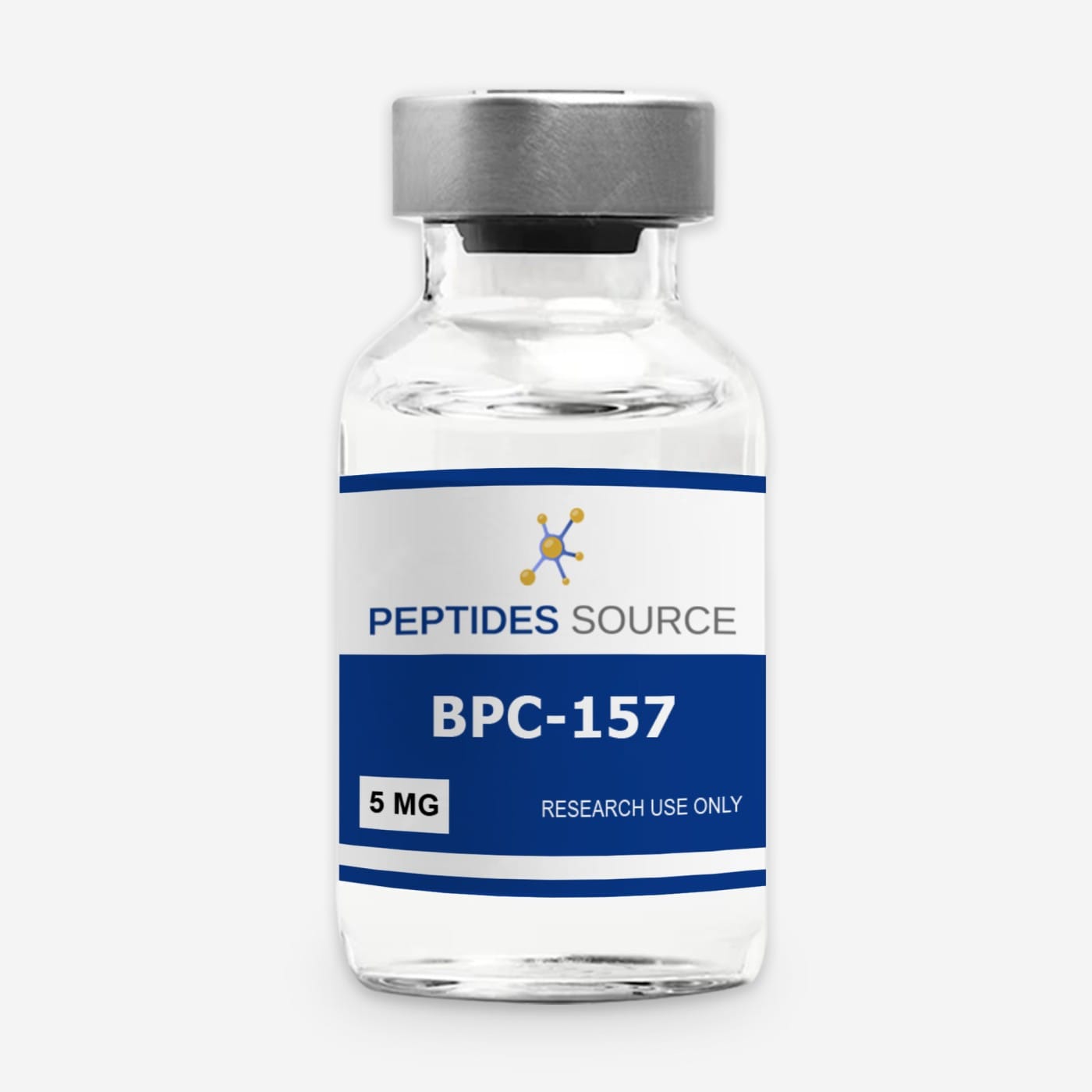
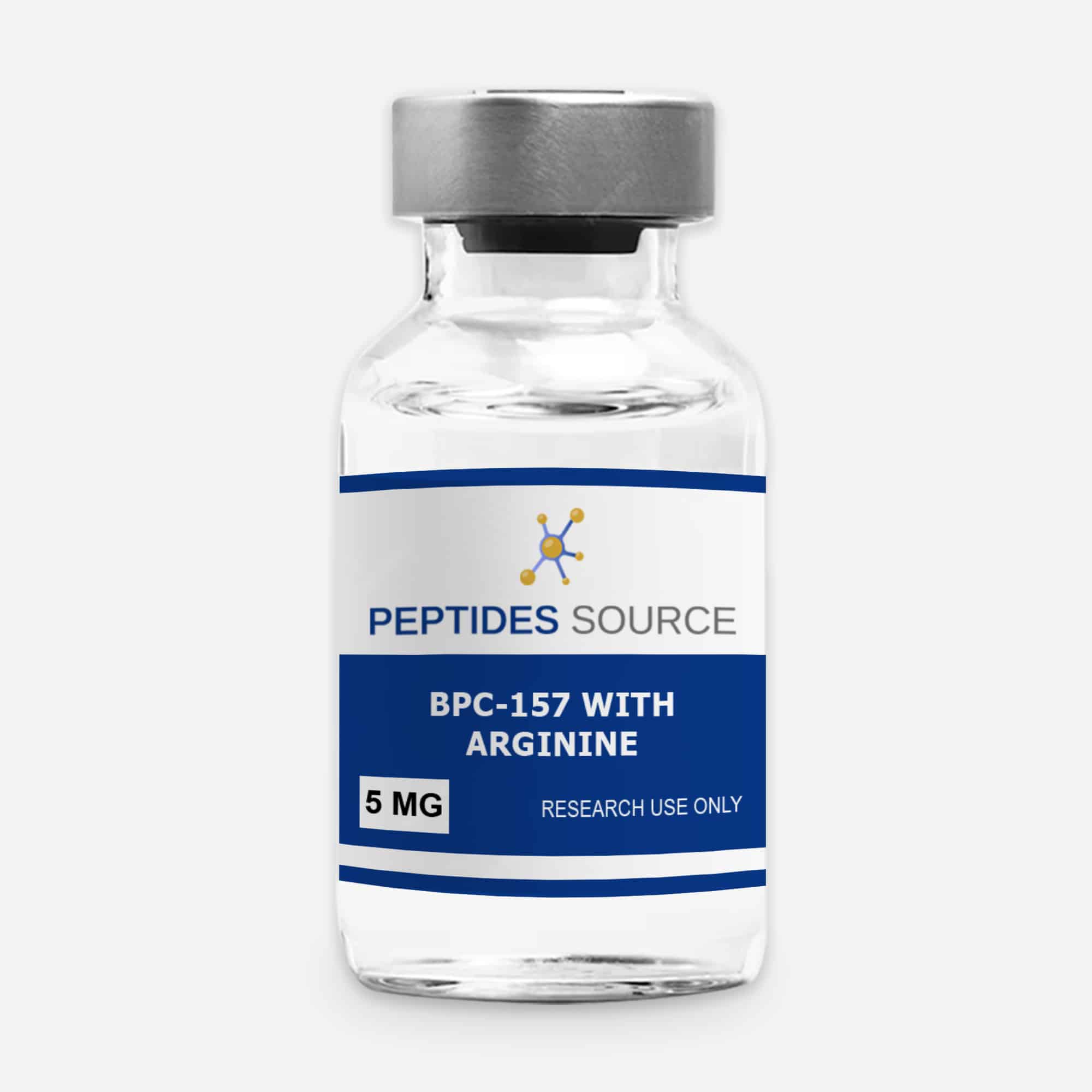
Beyond the musculoskeletal domain, BPC-157 has been studied in gastrointestinal models examining mucosal protection, NSAID-induced gastric injury, inflammatory bowel models, and intestinal anastomosis healing- findings consistent with its origin as a gastric peptide. Vascular research has examined endothelial cell behavior, tube formation in cell culture models, and angiogenic endpoints in in-vivo rodent preparations. Peptides Source supplies BPC-157 for research use in multiple formats, including 5mg vials, 10mg vials, capsule and tablet forms, a BPC-157 with Arginine variant, and the BPC-157/TB-500 blend. For a comprehensive molecular profile and full literature review, refer to the dedicated BPC-157 Research Overview in the Peptides Source research blog.
TB-500 (Thymosin Beta-4): Actin Sequestration and Tissue Remodeling Research
Molecular Origin and Classification
TB-500 is a synthetic analog of Thymosin Beta-4 (Tβ4), a naturally occurring 43-amino acid peptide expressed ubiquitously across human and animal tissues. Thymosin Beta-4 was first identified in thymic tissue and is understood to be one of the most abundant intracellular peptides in eukaryotic cells. TB-500 reproduces a specific fragment of the full Thymosin Beta-4 sequence – the actin-binding domain – that is considered central to the peptide’s observed biological activity in preclinical research.
The Actin-Sequestering Mechanism
The primary mechanism through which TB-500 is studied in tissue repair contexts is its interaction with G-actin (globular actin) – the monomeric form of the structural protein actin. By sequestering G-actin, Thymosin Beta-4 and its analogs are understood to influence the dynamic balance between monomeric and filamentous actin (F-actin) within cells, a process with downstream effects on cell migration, morphology, and cytoskeletal organization. Cell migration is a fundamental requirement for tissue repair- fibroblasts, endothelial cells, and progenitor cells must move into injury sites to execute repair functions. Research into TB-500’s actin-sequestering activity has therefore focused on whether modulation of this mechanism influences the rate and quality of cell recruitment into wound and injury environments in preclinical models.
Angiogenesis and Tissue Remodeling Research
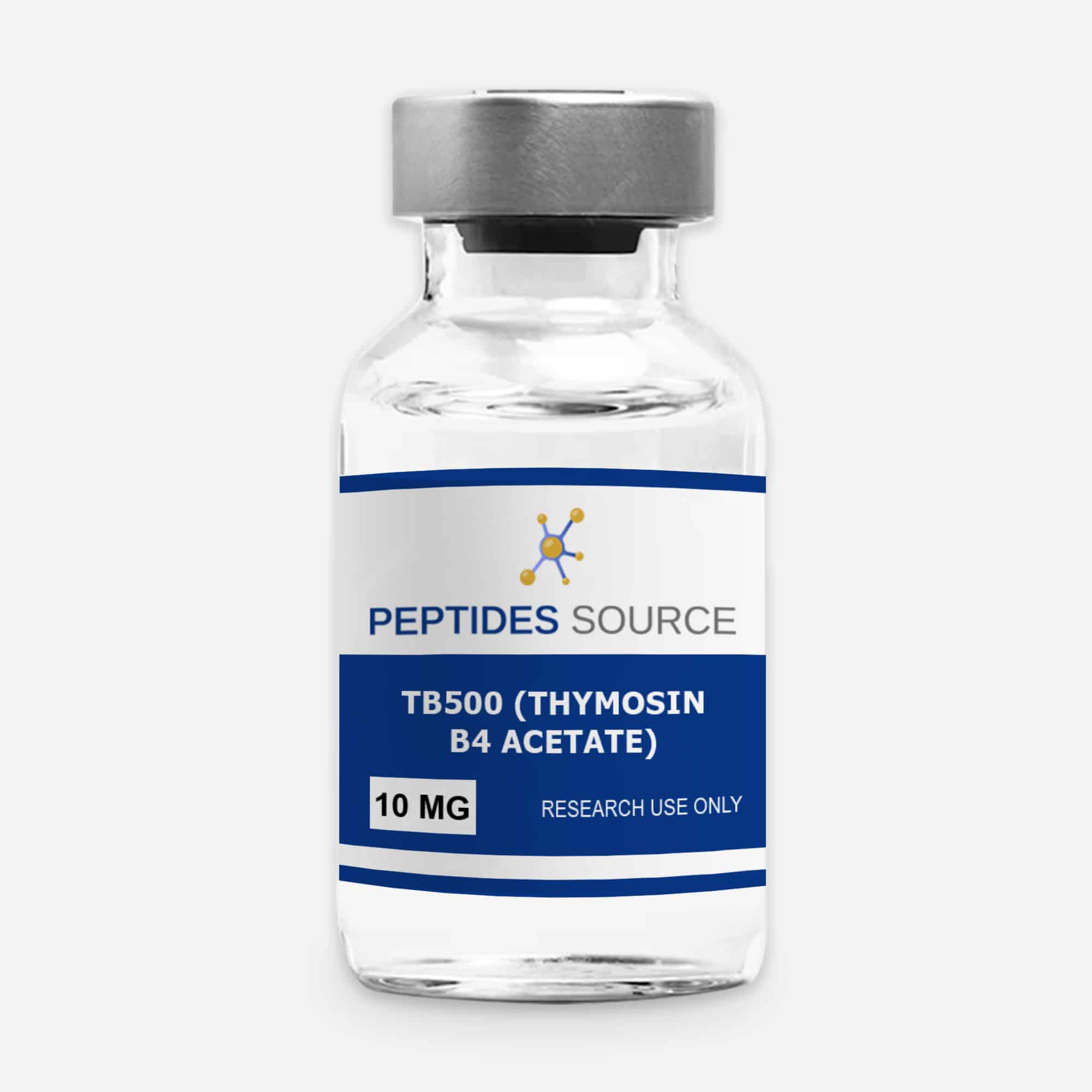
Beyond actin dynamics, TB-500 has been studied in the context of angiogenesis and extracellular matrix remodeling. Research has examined the peptide’s involvement in promoting new blood vessel formation in wound healing models – a process mechanistically distinct from BPC-157’s VEGFR2-mediated pathway but similarly relevant to the vascularization of healing tissue. Anti-fibrotic effects have also been investigated, with some preclinical studies examining whether TB-500 activity reduces excessive collagen deposition – a key determinant of scar quality and tissue functional restoration. Peptides Source supplies TB-500 (Thymosin B4 Acetate) in 5mg and 10mg vial formats for research use. A full molecular profile and literature review is available in the dedicated TB-500 Research Overview in the Peptides Source research blog.
The BPC-157 and TB-500 Combination: Research Rationale
Complementary Rather Than Overlapping Mechanisms
One of the more scientifically interesting aspects of the tissue repair peptide literature is the growing body of preclinical work examining BPC-157 and TB-500 in combination – a pairing that has attracted significant research interest precisely because the two compounds appear to operate through mechanistically distinct primary pathways. BPC-157’s primary investigated mechanisms center on VEGFR2-mediated angiogenesis, nitric oxide signaling, and inflammatory cytokine modulation. TB-500’s primary investigated mechanisms center on actin-sequestration-driven cell migration, extracellular matrix remodeling, and anti-fibrotic activity. These profiles are studied as potentially complementary rather than redundant- with BPC-157 research focused more on vascular and inflammatory pathway modulation, and TB-500 research focused more on cellular structural dynamics and matrix organization.
What Combination Research Examines
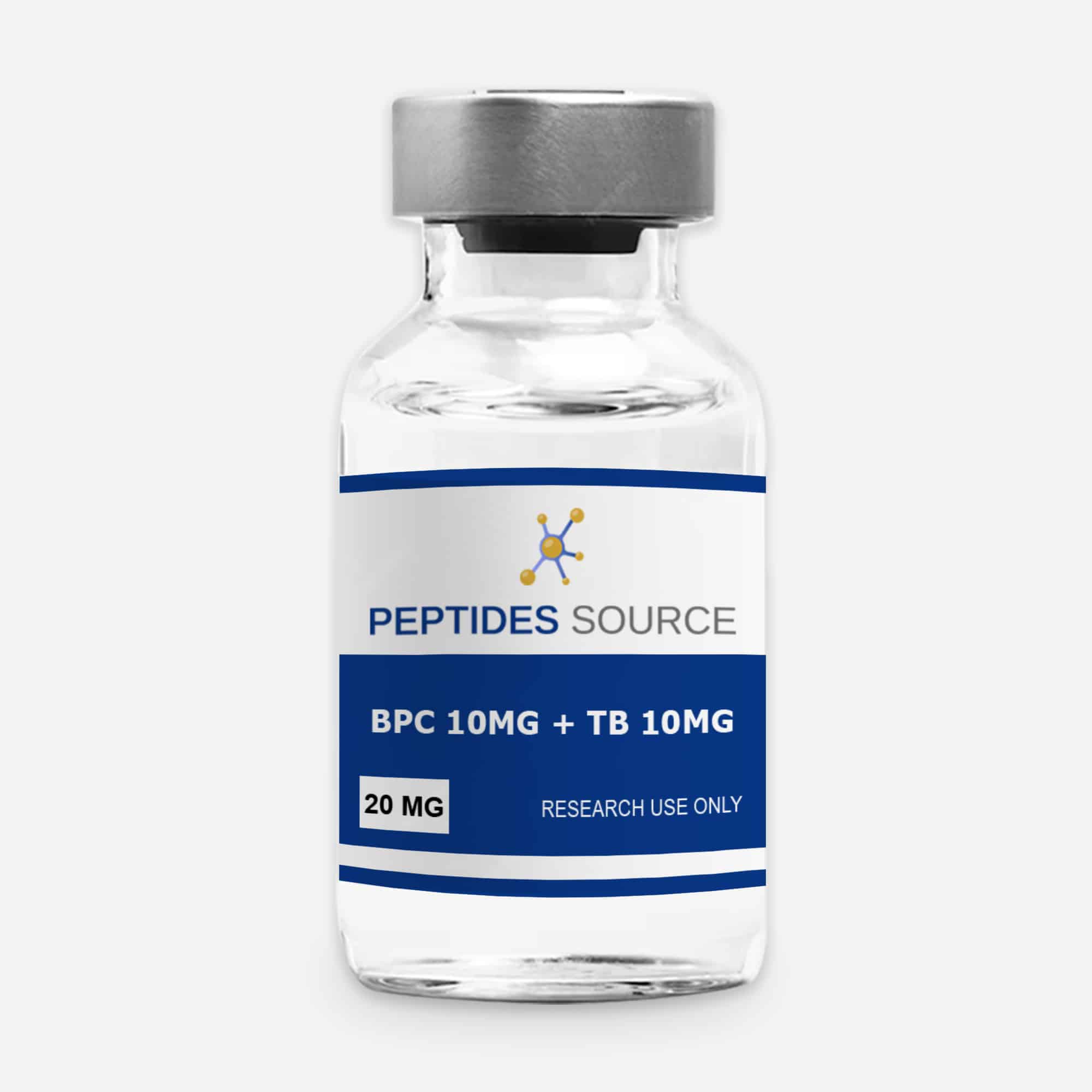
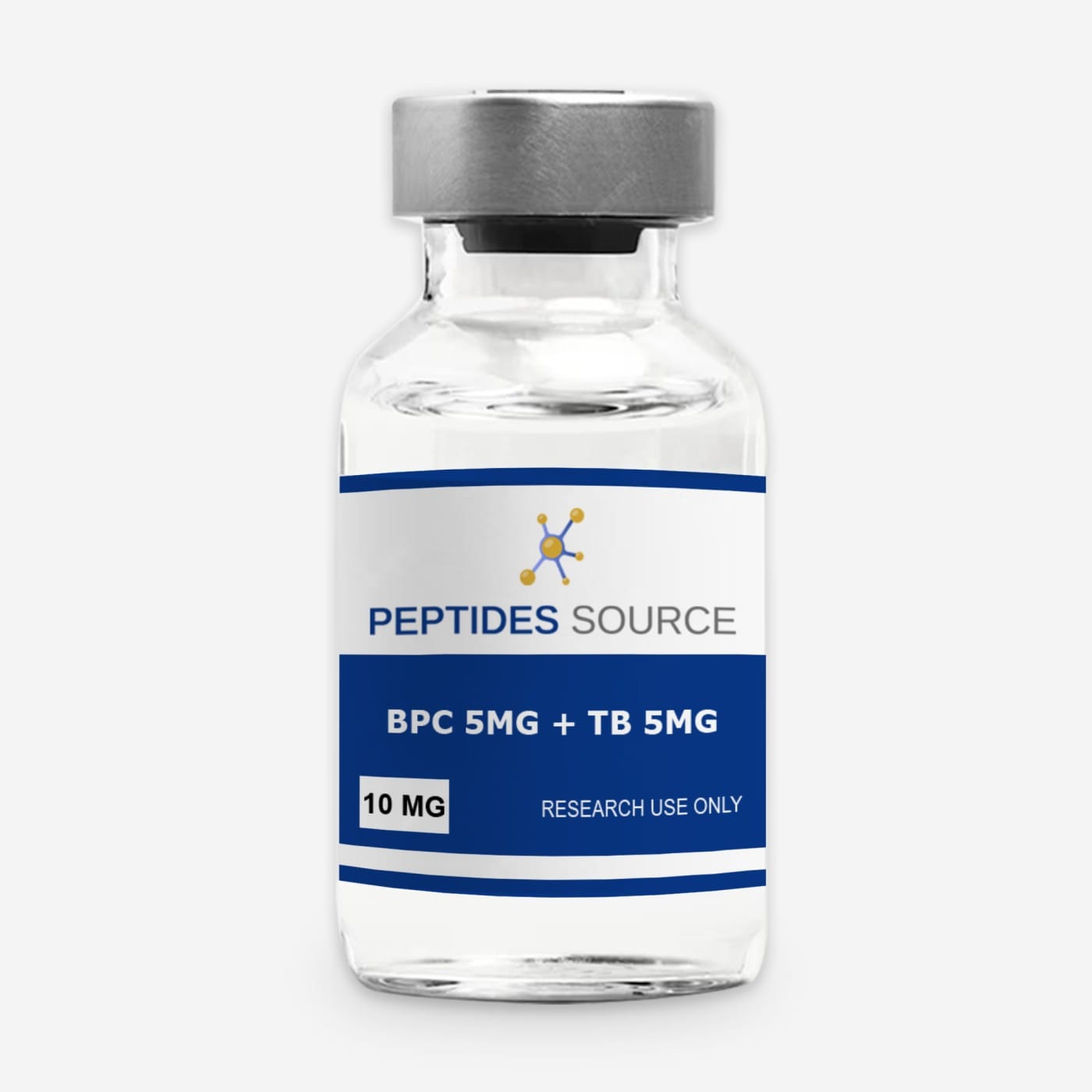
Research into combined BPC-157 and TB-500 protocols examines whether simultaneous modulation of these distinct pathways produces different outcomes in tissue repair models compared to either compound studied individually. The scientific questions of interest include whether the vascular remodeling effects associated with BPC-157 and the cell migration effects associated with TB-500 interact in preclinical wound models, and whether the anti-fibrotic activity associated with TB-500 complements the organized collagen deposition associated with BPC-157 in connective tissue studies. Peptides Source supplies both the BPC-157/TB-500 blend (5mg/5mg, 10mg blend) and BPC-157/TB-500 (10mg/10mg, 20mg blend) for researchers designing combination studies, alongside individual compound formats for single-variable protocols.
Additional Compounds in Tissue Repair Research
KPV: Inflammatory Pathway Modulation
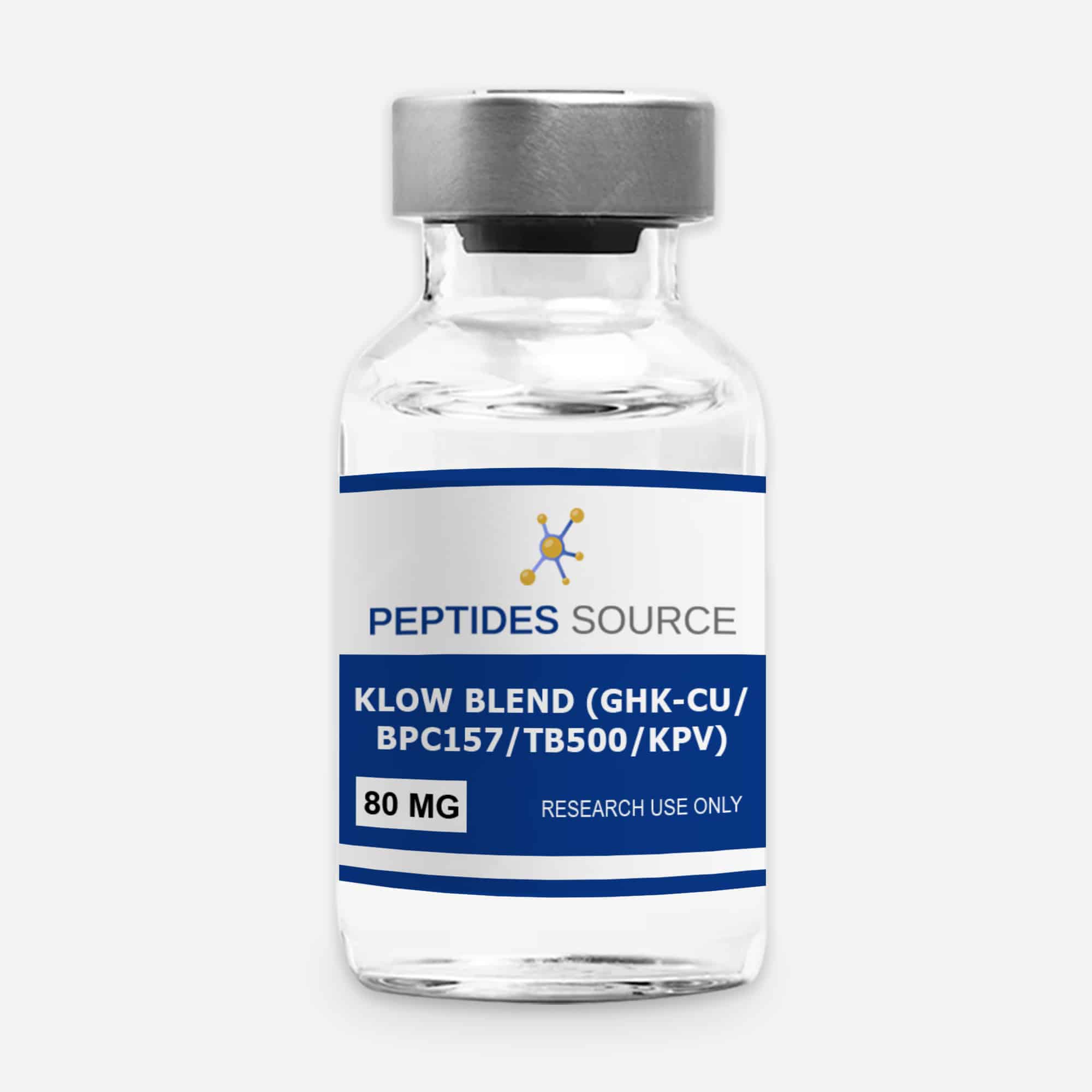
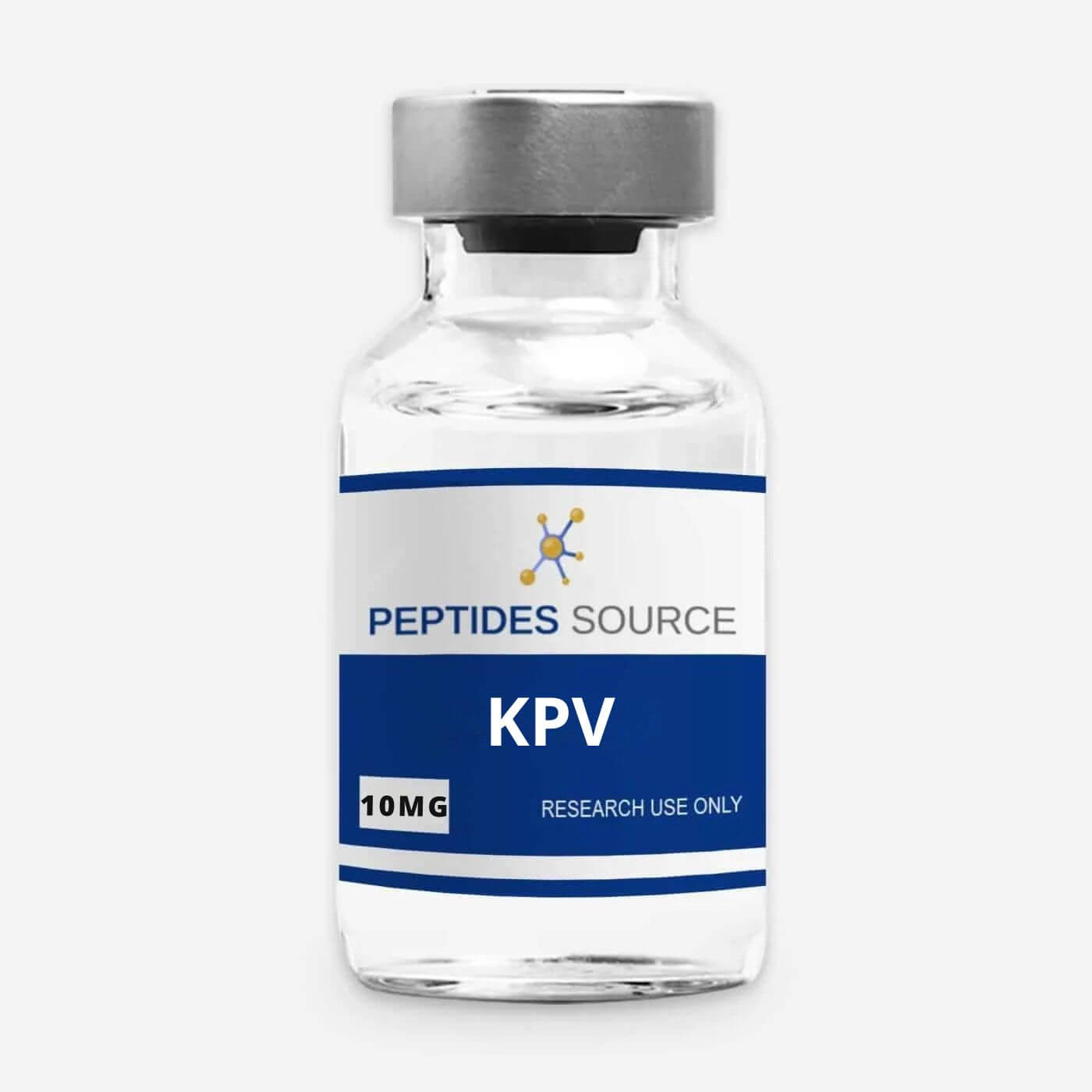
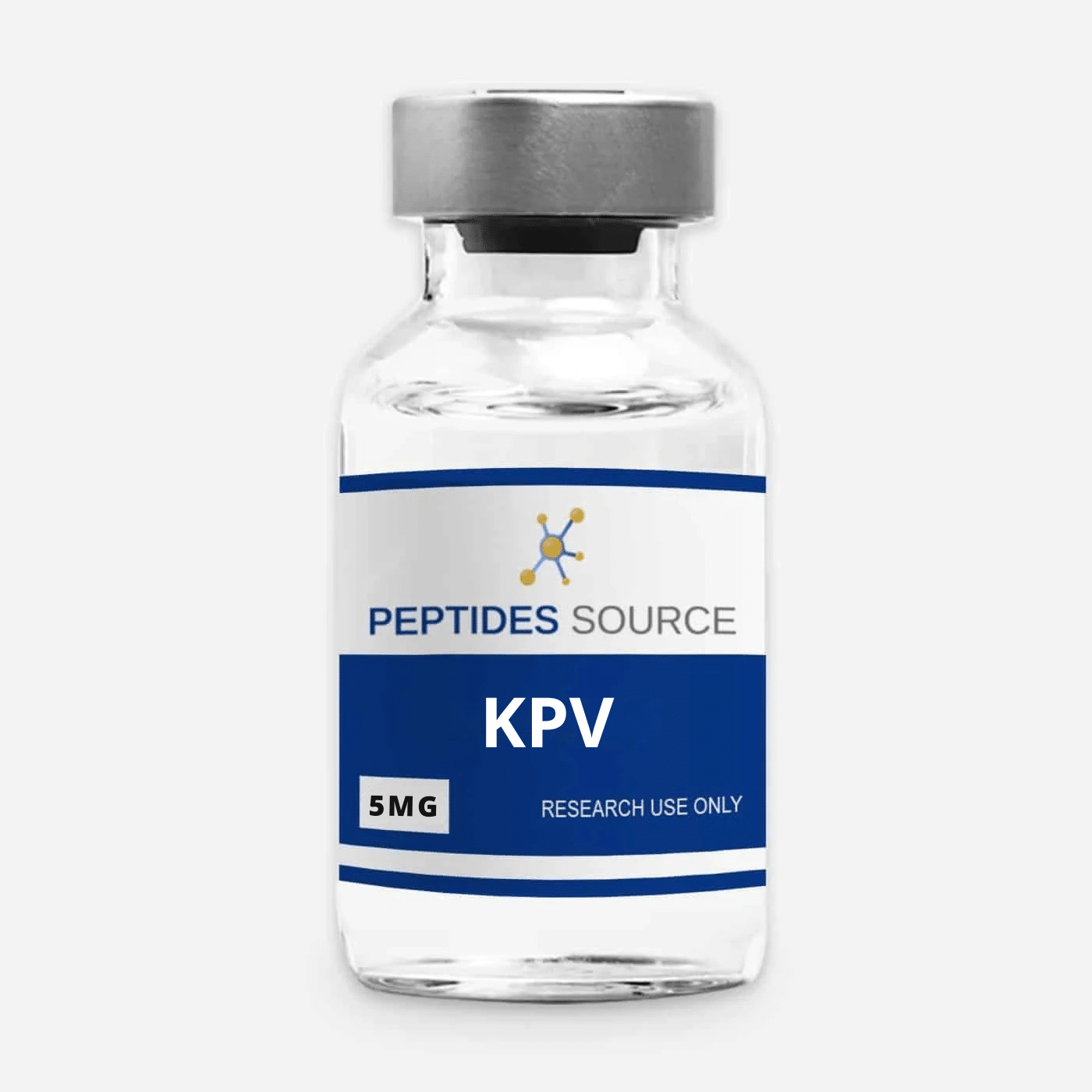
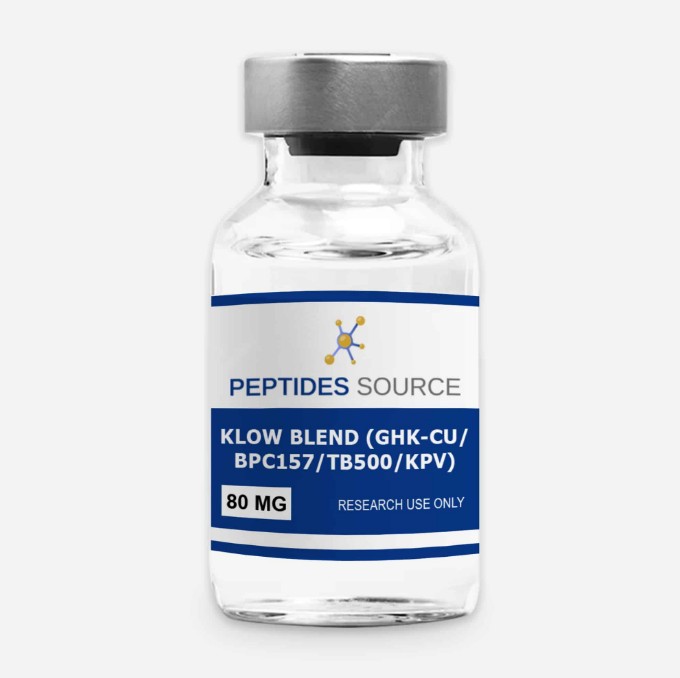
KPV is a tripeptide derived from the C-terminal sequence of alpha-melanocyte-stimulating hormone (α-MSH). It has been investigated in preclinical research for its involvement in NF-κB signaling – a central inflammatory pathway whose modulation is of interest across a broad range of tissue repair research contexts. NF-κB (nuclear factor kappa-light-chain-enhancer of activated B cells) is a transcription factor family that regulates the expression of numerous pro-inflammatory cytokines, adhesion molecules, and immune response genes. Its activity is elevated during the inflammatory phase of tissue repair, and its resolution is associated with the transition toward the proliferative phase. KPV research has examined whether modulation of this pathway in cell culture and animal models influences inflammatory marker expression in wound and gastrointestinal tissue contexts. Peptides Source supplies KPV in 5mg and 10mg vial formats, as well as KPV 500mcg 100 tablet formats, and as a component of the Klow Blend (GHK-CU/BPC157/TB500/KPV) for multi-compound research protocols.
GHK-Cu: Extracellular Matrix and Collagen Synthesis Research
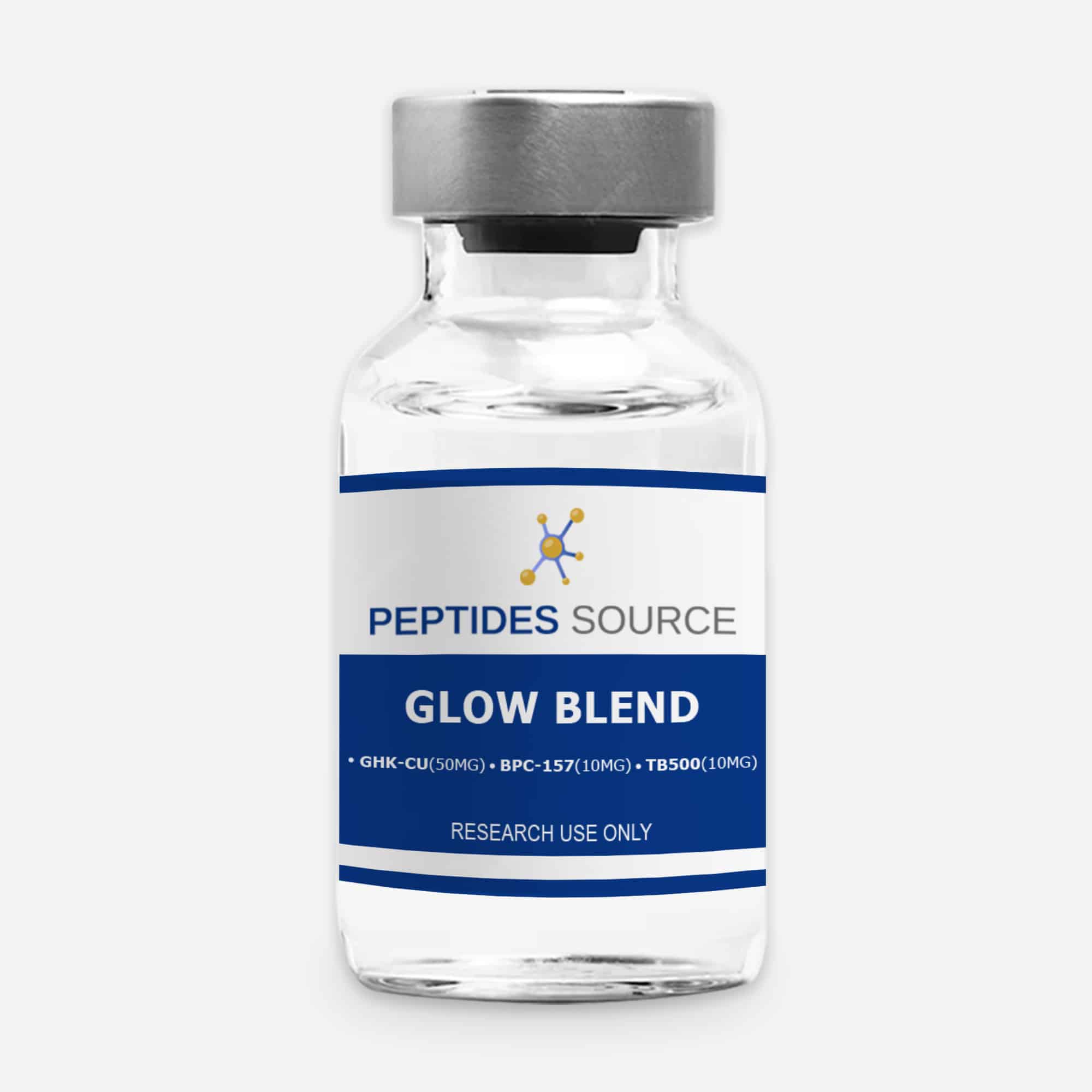
GHK-Cu (Glycyl-L-histidyl-L-lysine copper chelate) is a naturally occurring tripeptide-copper complex first isolated from human plasma. Its concentration in plasma is understood to decline significantly with age, a correlation that has informed research into its potential role as a biomarker of tissue repair capacity. Within the tissue repair research domain, GHK-Cu has been investigated primarily for its effects on extracellular matrix composition and collagen synthesis. Preclinical research has examined GHK-Cu’s capacity to stimulate fibroblast production of types I and III collagen, fibronectin, and other structural extracellular matrix proteins in cell culture models. Research has also investigated the peptide’s involvement in NF-κB pathway modulation in the context of inflammatory cytokine reduction – placing it at an interesting intersection of the anti-inflammatory and pro-remodeling mechanisms relevant to tissue repair research. Peptides Source supplies GHK-Cu in 50mg and 100mg formats, as well as the blend (GHK-CU/BPC157/TB500) and Klow Blend (GHK-CU/BPC157/TB500/KPV) for researchers designing multi-compound matrix remodeling protocols.
Preclinical Evidence and Its Limitations
The Current State of the Tissue Repair Literature
The tissue repair peptide research literature is substantial in volume but almost entirely preclinical in nature. The majority of published studies have been conducted in rodent models – primarily rats and mice – using standardized surgical injury, chemical injury, or wound healing experimental designs. While the breadth and consistency of findings across these models has generated significant scientific interest, the translation of preclinical outcomes to human physiological contexts remains uncertain and largely uninvestigated through formal clinical trial design. As of early 2026, formal human clinical trials for the tissue repair applications of BPC-157 and TB-500 remain limited. The 2025 Vasireddi et al. systematic review identified only three small human pilot studies in the BPC-157 literature – none of which provide sufficient evidence to characterize clinical efficacy or safety. For TB-500, human clinical data is similarly sparse. Researchers designing studies in this space should approach the existing literature as a rich but preclinical evidence base – not a foundation for clinical extrapolation.
Institutional and Research Design Considerations
Researchers working with tissue repair peptides should consult primary literature for model-specific protocol guidance, including relevant dose concentrations used in published preclinical studies, administration route selection for specific tissue targets, endpoint measurement methodology, and appropriate control group design. Institutional review of proposed protocols, including IRB oversight where required and animal care committee approval for in-vivo work, is essential prior to initiating any research program involving these compounds.
Sourcing Tissue Repair Research Peptides: Quality Considerations for the Laboratory
Why Purity Matters in Tissue Repair Research
For tissue repair peptide research, compound purity is not merely a procurement specification – it is a scientific variable. Impurities in research-grade peptides can interact with the same biological targets under investigation, alter dose-response relationships, and introduce experimental confounds that are effectively invisible without HPLC chromatogram data and mass spectrometry identity confirmation. Research programs examining receptor binding specificity, inflammatory cytokine modulation, or angiogenic endpoint measurement are particularly sensitive to impurity-related confounds.
What to Verify When Sourcing
Researchers sourcing tissue repair peptides for laboratory use should confirm batch-specific Certificates of Analysis (COAs) with HPLC purity data from a named independent testing laboratory, mass spectrometry identity confirmation linking the COA to the specific lot in use, storage and handling documentation consistent with lyophilized peptide stability requirements, and USA-based manufacturing under GMP-certified, WHO/ISO 9001:2008 approved production standards.
The PeptidesSource Tissue Repair Catalog
Peptides Source supplies a comprehensive range of tissue repair research peptides for laboratory use, including BPC-157, TB-500, KPV, GHK-Cu, and combination formats including the blend and and Klow Blends. All products are manufactured through GMP-certified, WHO/ISO 9001:2008 approved facilities with 99% purity standards and third-party batch testing documentation.
Tissue Repair Peptide Research: Where the Science Stands
The tissue repair research peptide category represents one of the most scientifically well-developed areas of the preclinical peptide literature. With hundreds of published studies across multiple compounds, diverse model systems, and a growing body of mechanistic data, this space offers substantial scientific context for researchers investigating wound healing, connective tissue biology, vascular remodeling, and inflammatory resolution in laboratory settings. The primary limitation of this literature – its essentially preclinical nature – is also its defining scientific opportunity. The questions that remain unanswered in the human clinical context represent an active research frontier, and the compounds available through Peptides Source provide qualified laboratories with the research-grade tools needed to contribute to that investigation. For individual compound profiles, molecular data, and detailed literature reviews, explore the Peptides Source research blog:
- BPC-157 Research Overview – full molecular profile, signaling pathways, and literature summary
- TB-500 Research Overview – Thymosin Beta-4 mechanism, actin dynamics, and preclinical data
References
- Vasireddi N, Hahamyan H, Salata MJ, et al. Emerging Use of BPC-157 in Orthopaedic Sports Medicine: A Systematic Review. Sports Health. 2025
- Goldstein AL, Kleinman HK. Advances in the Basic and Clinical Applications of Thymosin Beta-4. Expert Opinion on Biological Therapy. 2015
- Zhang X, et al. Bioactive Peptides and Proteins for Tissue Repair: Microenvironment Modulation, Rational Delivery, and Clinical Potential. Military Medical Research. 2024
- Jozwiak AA, et al. Multifunctionality and Possible Medical Application of the BPC 157 Peptide. Pharmaceuticals. 2025;18(2):185
- Pickart L, Vasquez-Soltero JM, Margolina A. GHK Peptide as a Natural Modulator of Multiple Cellular Pathways in Skin Regeneration. BioMed Research International. 2015
- Clemmons DR. Involvement of Insulin-Like Growth Factor-I in the Control of Glucose Homeostasis. Current Opinion in Endocrinology. 2019.
Related research-use products: BPC-157 5mg and Larazotide 5mg. Further reading: our TB-500 (Thymosin Beta-4) research overview. Explore more tissue repair research peptides. For laboratory research use only.